






Finding the best toothpaste for whitening your teeth can feel overwhelming with so many options promising brighter results and stain removal. But with so many products claiming to whiten teeth, it’s easy to feel overwhelmed. Knowing how to choose the best toothpaste for whitening your teeth starts with understanding what ingredients work, how they affect your enamel, and what your individual smile goals are.
- Not all whitening toothpastes are the same: Different formulas offer different levels of whitening and sensitivity protection.
- Ingredients matter: Some toothpaste types whiten through polishing, others with chemical agents.
- Safe use is key: Whitening toothpaste should brighten your smile without damaging enamel or causing irritation.
If you’re hoping to boost your smile from home, here’s everything you need to know about selecting the best whitening toothpaste.
🪥 How Whitening Toothpaste Works
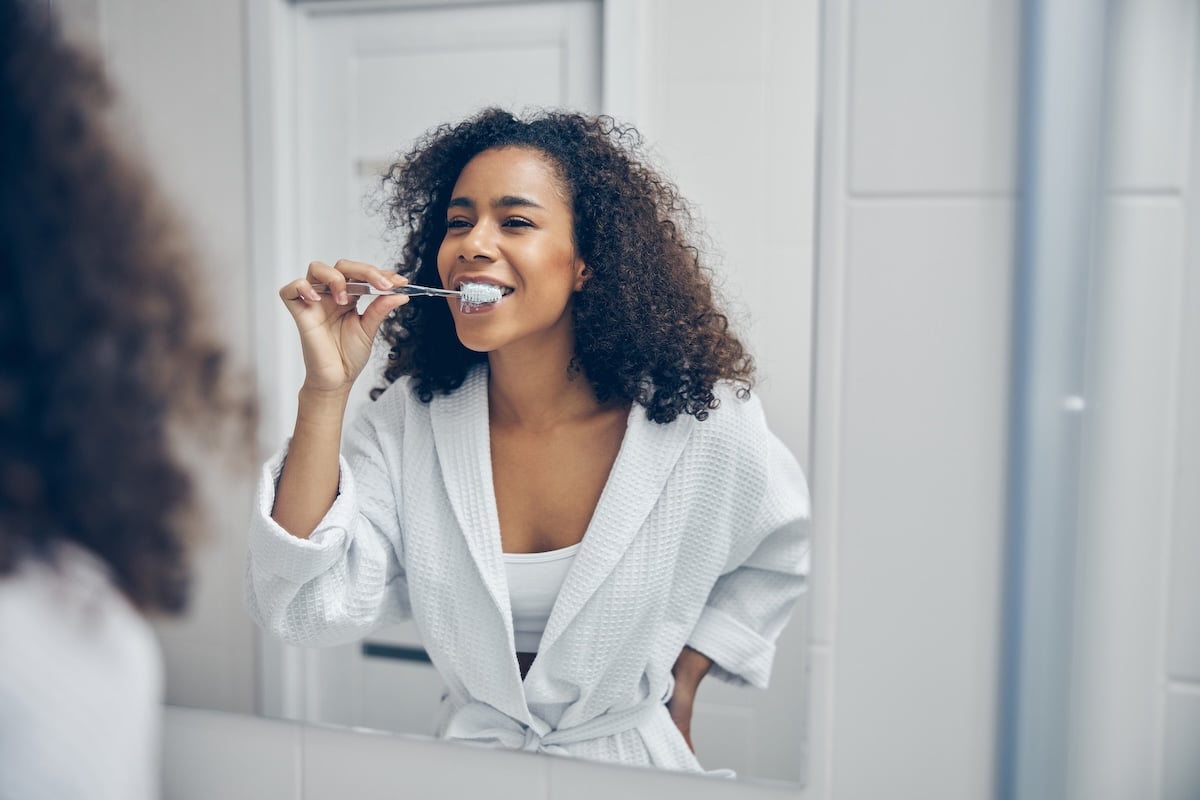
Whitening toothpastes brighten your smile by removing surface stains from the teeth. Most do not change the natural color of your enamel but can effectively remove discoloration caused by food, drinks, and habits like smoking.
Two Main Whitening Methods
- Abrasive polishing: Many whitening toothpastes contain mild abrasives that physically scrub stains from the tooth surface.
- Chemical bleaching: Some formulas contain hydrogen peroxide or carbamide peroxide, which lighten stains through chemical oxidation.
Whitening toothpastes work best on extrinsic stains—those found on the outside of your teeth—and may be less effective for deep or internal discoloration.
⭐️ Key Ingredients To Look For
Choosing the best toothpaste for whitening starts with checking the ingredient list. Each component plays a role in how effective and gentle the formula is on your teeth.
Common Whitening Ingredients
- Hydrogen peroxide: A chemical bleaching agent that breaks down stains below the surface.
- Carbamide peroxide: A slower-acting form of peroxide that’s gentler on enamel.
- Silica or baking soda: Mild abrasives that help polish away surface stains.
- Blue covarine: A pigment that can create a temporary optical whitening effect by altering the way light reflects off the teeth.
Enamel-Safe Additives
- Fluoride: Protects against cavities while you whiten.
- Potassium nitrate: Reduces tooth sensitivity caused by whitening agents.
- Calcium phosphate: Strengthens enamel and may help reduce damage from abrasives.
When in doubt, choose products with the ADA Seal of Acceptance, which confirms they’re both safe and effective.

🤔 5 Factors To Consider When Choosing a Whitening Toothpaste
Everyone’s teeth are different. These key considerations will help you find a toothpaste that works best for your smile.
- Your Whitening Goals
- Mild staining: A toothpaste with gentle abrasives like baking soda may be enough.
- More noticeable discoloration: Consider a formula with peroxide for deeper stain removal.
- Tooth Sensitivity
- Sensitive teeth: Avoid overly abrasive formulas. Look for toothpaste with potassium nitrate or labeled “for sensitive teeth.”
- No sensitivity issues: You can use stronger whitening formulas more comfortably.
- Frequency of Use
- Everyday use: Choose a gentle whitening toothpaste that protects enamel and is safe for long-term use.
- Occasional use: Higher-strength products can be used 2–3 times a week for extra whitening power.
- Enamel Health
- Weakened enamel: Stick with fluoride-based formulas that focus more on polishing than bleaching.
- Healthy enamel: You can tolerate slightly stronger abrasives if needed.
- Stain Sources
- Coffee or tea drinkers: Whitening toothpaste with both abrasives and peroxide helps manage daily discoloration.
- Smokers: Look for more intensive stain-fighting ingredients like silica or blue covarine.
🦷 What Whitening Toothpaste Can (And Can’t) Do
Whitening toothpaste is great for maintaining your smile, but it’s important to have realistic expectations about its results and limitations.

What It Can Do
- Remove surface stains: Regular use can polish away discoloration caused by food, drinks, or tobacco.
- Brighten natural enamel: Can enhance the shine and luster of your natural teeth.
- Maintain results: Helps preserve results from professional whitening or cleanings.
What It Can’t Do
- Change tooth color: Whitening toothpaste won’t alter the natural shade of your enamel or lighten intrinsic stains.
- Whiten restorations: It won’t change the color of crowns, fillings, or veneers.
- Replace professional whitening: Deep discoloration typically requires in-office treatment for noticeable results.
If you’re looking for dramatic whitening, talk to your dentist about professional options that go beyond toothpaste.
⭐️ Tips for Using Whitening Toothpaste Safely
Even gentle formulas can cause problems if overused. Follow these tips to ensure safe and effective whitening from your daily routine.
Use the Right Amount
- Pea-sized dab: A small amount is all you need for thorough cleaning and whitening.
- Don’t overbrush: Brushing too hard can erode enamel and irritate gums.
Limit to 2x Per Day
- Stick with morning and night: More frequent use doesn’t lead to better results and can increase sensitivity.
- Alternate if needed: If your teeth become sensitive, switch between whitening and regular fluoride toothpaste.
Monitor Results
- Take note of changes: It may take several weeks to notice a difference.
- Watch for irritation: Stop use if you notice increased tooth sensitivity or gum discomfort.
Combine With Good Oral Habits
- Floss daily: Whitening toothpaste won’t help if stains build up between teeth.
- Rinse after dark beverages: Swishing with water after coffee or wine helps prevent new stains.
🥼 When to Consider Professional Whitening Instead
If whitening toothpaste isn’t producing the results you want, it may be time to consider a professional option.
Benefits of Professional Whitening
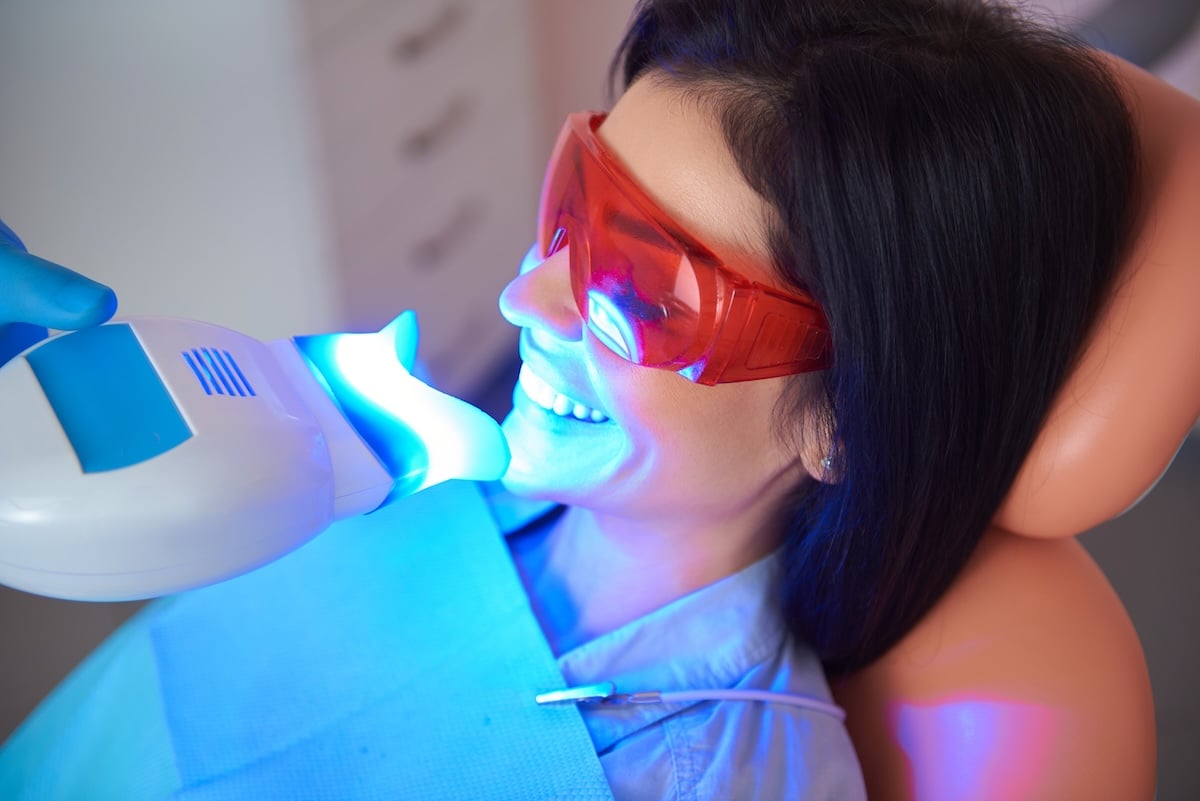
- Faster results: In-office whitening can lift several shades in a single visit.
- Customized treatment: Your dentist tailors the solution to your specific needs.
- Safe and controlled: Professional monitoring reduces risks of over-whitening or enamel irritation.
When It’s the Better Choice
- You have deep, internal tooth discoloration
- You need fast results for a special event
- You want predictable and noticeable whitening
- You’ve already tried whitening toothpaste without success
Whitening toothpaste works well for maintenance and minor improvements, but deeper stains usually require something more powerful.
✅ Find the Best Whitening Toothpaste With Wayzata Dental
Choosing the best toothpaste for whitening your teeth means looking beyond flashy labels. By understanding how ingredients work, identifying your goals, and prioritizing enamel safety, you can brighten your smile without damaging your teeth. At Wayzata Dental, we’re here to help you find a whitening strategy that fits your lifestyle—whether it’s choosing the right toothpaste or exploring professional treatments.
Need help finding the right whitening products for your smile? Schedule an appointment with Wayzata Dental today to get personalized recommendations and expert care.
