






If you are experiencing discomfort near the back of your mouth, you may be wondering can wisdom teeth cause jaw pain and what you can do about it. Wisdom teeth, also known as third molars, often emerge in late teens or early adulthood and can create pressure, inflammation, or infection. When these teeth do not have enough space to grow properly, they can lead to noticeable jaw discomfort and other symptoms.
- Common issue: Wisdom teeth frequently cause pain when erupting or impacted.
- Multiple causes: Pressure, infection, and alignment issues can all contribute.
- Relief is possible: Short-term solutions can help while you seek evaluation.
What Are Wisdom Teeth?
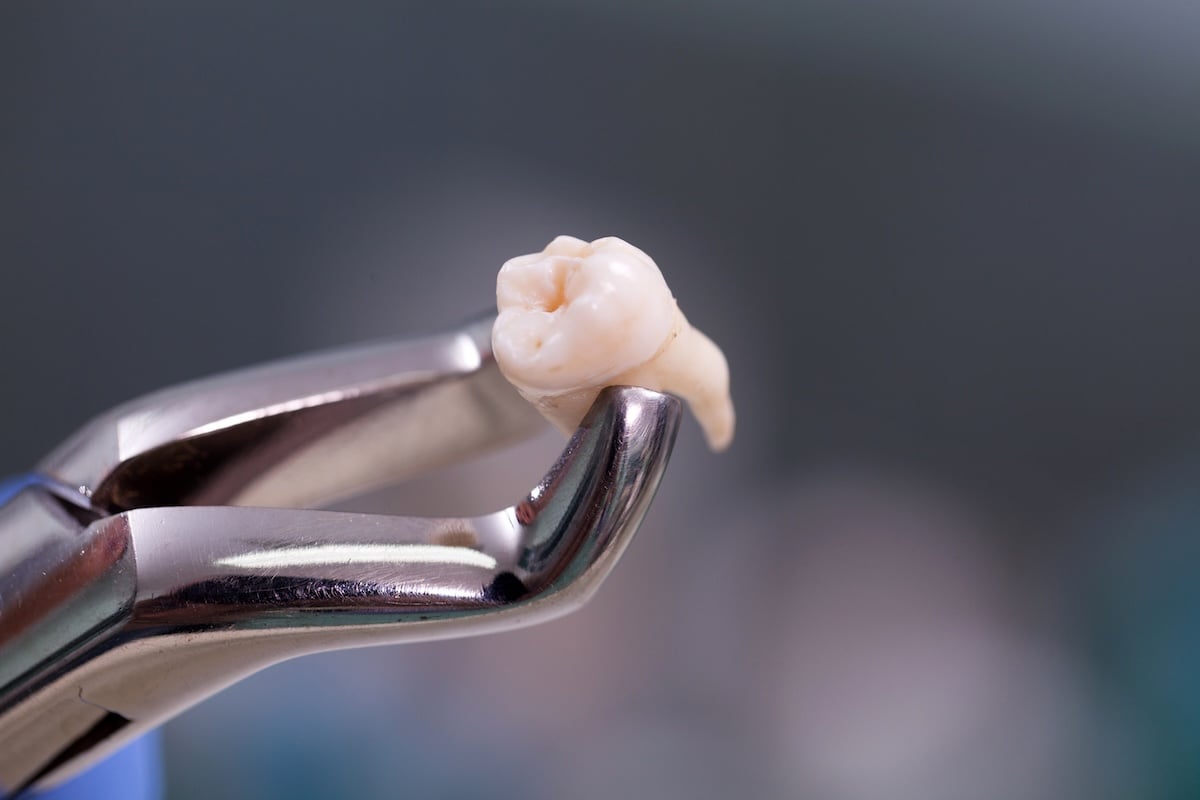
Wisdom teeth are the last set of molars to develop, typically appearing between ages 17 and 25. While some people have no issues, others experience complications when these teeth become impacted or grow at an angle.
Because modern jaws are often smaller than those of our ancestors, there is not always enough space for wisdom teeth to emerge properly. This lack of space can lead to crowding, pressure, and discomfort in the jaw.
Why Wisdom Teeth Can Cause Jaw Pain
Jaw pain related to wisdom teeth can develop for several reasons. The source of discomfort often depends on how the teeth are growing and whether they are fully or partially erupted.
Impaction and Pressure
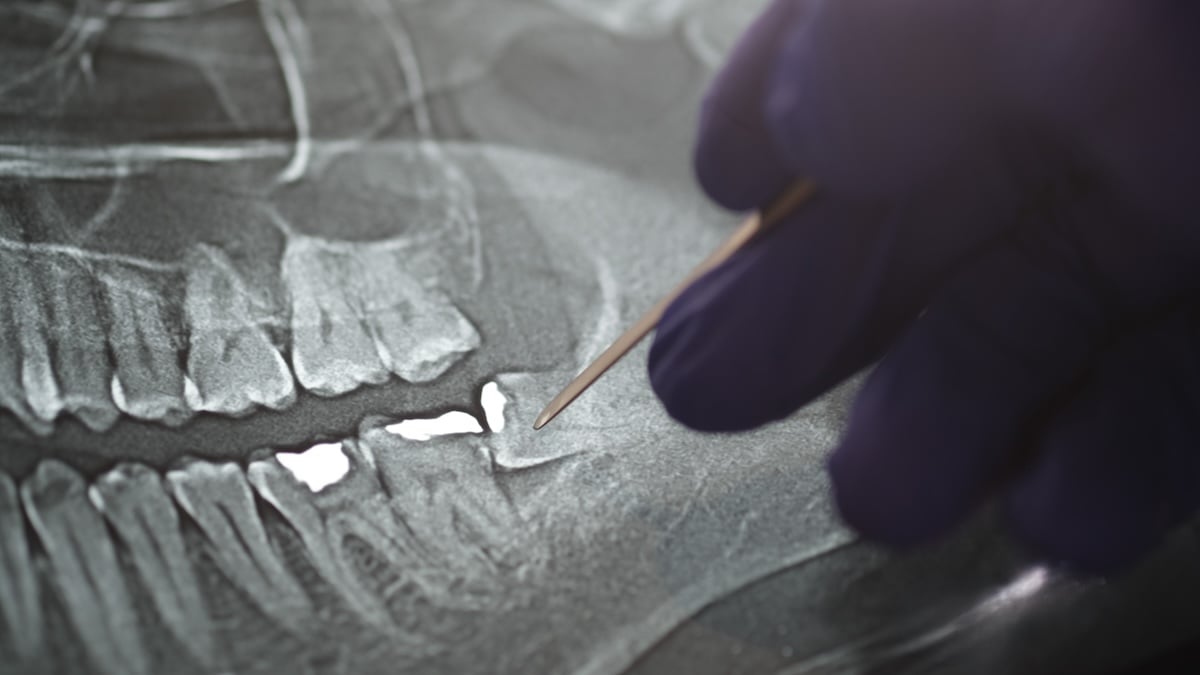
When a wisdom tooth is trapped beneath the gum or bone, it is considered impacted. Impacted teeth can push against neighboring teeth, creating pressure that radiates into the jaw.
- Crowding pressure: Teeth push against each other.
- Jaw stiffness: Limited movement due to inflammation.
- Radiating discomfort: Pain may spread toward the ear or neck.
Infection and Inflammation
Partially erupted wisdom teeth can create openings where bacteria collect. This can lead to infection, swelling, and pain in the surrounding gum tissue.

Inflammation in this area can extend into the jaw, making it feel sore or tender when chewing or speaking.
Alignment Issues
As wisdom teeth push into limited space, they can affect the alignment of surrounding teeth. This pressure may contribute to discomfort in the jaw and bite changes over time.

Other Symptoms That May Occur
Jaw pain is often accompanied by additional symptoms when wisdom teeth are involved. Recognizing these signs can help you determine whether your discomfort may be related.
- Swollen gums: Especially near the back of the mouth.
- Difficulty opening the mouth: Jaw stiffness or tightness.
- Bad taste or odor: Possible sign of infection.
- Headaches: Caused by pressure or tension.
When Jaw Pain May Not Be Wisdom Teeth
Not all jaw pain is caused by wisdom teeth. Conditions such as TMJ disorders, teeth grinding, or sinus issues can also create similar discomfort.
A proper evaluation is necessary to determine the exact cause, especially if symptoms persist or worsen over time.
5 Quick Relief Tips for Wisdom Tooth Pain
While professional care is important for long-term solutions, these short-term strategies may help reduce discomfort.
1. Use a Cold Compress
Applying a cold compress to the outside of your jaw can help reduce swelling and numb the area. This is especially helpful if inflammation is present.
- Application time: 10 to 15 minutes at a time.
- Swelling control: Helps reduce inflammation.
- Temporary relief: Does not treat the underlying issue.
2. Rinse with Warm Saltwater
Saltwater rinses can help soothe irritated tissue and reduce bacteria in the affected area. This is a simple and effective way to support oral hygiene during discomfort.
- Soothing effect: Calms inflamed gums.
- Bacterial reduction: Helps clean the area.
- Frequency: Can be used several times per day.
3. Take Over-the-Counter Pain Relief
Nonprescription medications may help reduce pain and inflammation. Always follow recommended dosages and consult a healthcare provider if needed.
- Pain reduction: Helps manage discomfort.
- Anti-inflammatory effect: Reduces swelling.
- Short-term solution: Not a long-term fix.
4. Avoid Hard or Chewy Foods
Eating soft foods can reduce pressure on the affected area and prevent further irritation. Hard or sticky foods may worsen discomfort.
- Soft diet: Easier on the jaw.
- Less pressure: Reduces irritation.
- Temporary adjustment: Helps during flare-ups.
5. Keep the Area Clean
Maintaining good oral hygiene helps prevent infection and reduces irritation. Gentle brushing and rinsing are important, especially around partially erupted teeth.
- Gentle brushing: Avoid aggressive contact.
- Floss carefully: Remove trapped food particles.
- Consistency: Supports healing and comfort.
When to Seek Professional Evaluation
While mild discomfort may come and go, persistent or severe symptoms should be evaluated. Early attention can prevent complications and provide more effective treatment options.
- Severe pain: Especially if it interferes with daily activities.
- Swelling or infection: Signs of worsening condition.
- Difficulty opening the mouth: May indicate deeper issues.
- Persistent symptoms: Lasting more than a few days.
Long-Term Solutions for Wisdom Tooth Pain
Temporary relief strategies help manage symptoms, but they do not address the underlying cause. In some cases, monitoring may be recommended, while in others, removal may be considered.
The appropriate approach depends on factors such as tooth position, level of impaction, and overall oral health. A professional evaluation helps determine the best course of action.
Preventing Future Discomfort
While wisdom teeth cannot always be prevented from causing issues, early monitoring can reduce the risk of complications.
- Routine dental visits: Track development and positioning.
- Early imaging: Helps identify potential problems.
- Timely decisions: Address issues before they worsen.
Understanding Your Symptoms
Knowing the answer to can wisdom teeth cause jaw pain helps you better understand what your body may be telling you. While not all jaw discomfort is caused by wisdom teeth, they are a common source of pressure and inflammation.
Paying attention to symptoms and taking early action can help prevent more serious issues and improve comfort.
Learn More About Jaw Pain and Oral Health
Jaw discomfort can have multiple causes, and understanding the source is the first step toward relief. Whether related to wisdom teeth or another condition, informed decisions lead to better outcomes.
If you have questions about jaw pain or want to better understand your symptoms, reach out to Wayzata Dental to learn more. Staying proactive helps protect your comfort and long-term oral health.
