






If you are comparing cosmetic dental options, understanding the differences in a composite veneer vs porcelain restoration can help you decide which approach aligns best with your goals, budget, and long-term expectations. Both options are widely used to improve the appearance of teeth, but they differ significantly in materials, durability, aesthetics, and overall investment. Knowing how each works allows you to make a more informed and confident decision about your smile.
- Two popular cosmetic options: Both composite and porcelain veneers improve tooth appearance.
- Different strengths and limitations: Longevity, appearance, and cost vary between materials.
- Personalized decision: The best choice depends on individual needs and priorities.
What Are Dental Veneers?
Dental veneers are thin coverings placed over the front surface of teeth to improve their appearance. They are commonly used to address discoloration, chips, gaps, uneven edges, or mild misalignment. Veneers focus on cosmetic enhancement rather than correcting structural or functional dental issues.
Because veneers are designed to be visible when you smile, their material and craftsmanship play a major role in how natural the final result looks. The two most common veneer types used today are composite veneers and porcelain veneers, each offering distinct advantages and trade-offs.
What Are Composite Veneers?
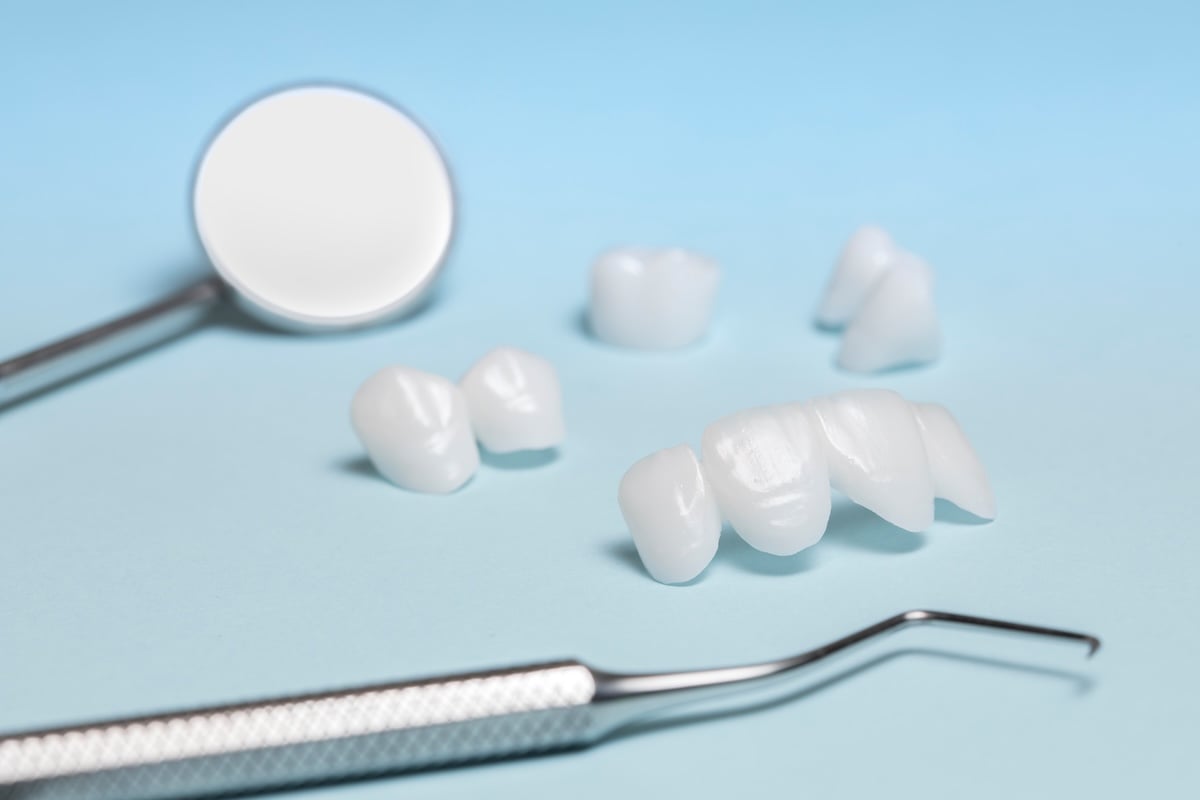
Composite veneers are made from a tooth-colored resin material similar to what is used in dental bonding. The material is applied directly to the tooth, shaped by the dentist, and hardened using a special curing light. This process allows for immediate results in many cases.
Composite veneers are often chosen for their flexibility and affordability. Because the material is sculpted directly onto the tooth, adjustments can usually be made during the same visit. However, the resin material is softer than porcelain, which affects durability and long-term appearance.
- Material type: Tooth-colored composite resin.
- Application process: Sculpted directly onto teeth.
- Timeline: Often completed in one visit.
What Are Porcelain Veneers?
Porcelain veneers are thin shells custom-crafted in a dental laboratory to fit over the front of each tooth. After impressions or digital scans are taken, the veneers are fabricated and later bonded permanently to the teeth.

Porcelain closely mimics the translucency and light-reflecting properties of natural enamel, making it highly aesthetic. Because they are lab-made, porcelain veneers typically require more planning and time but offer greater longevity and stain resistance.
- Material type: High-strength dental porcelain or ceramic.
- Fabrication process: Custom-made in a dental lab.
- Timeline: Usually requires multiple visits.
Composite Veneer vs Porcelain: Key Differences Explained
Understanding how composite and porcelain veneers differ helps clarify why one may be better suited for certain situations than the other. These differences go beyond appearance and affect maintenance, lifespan, and overall value.
Appearance and Aesthetics
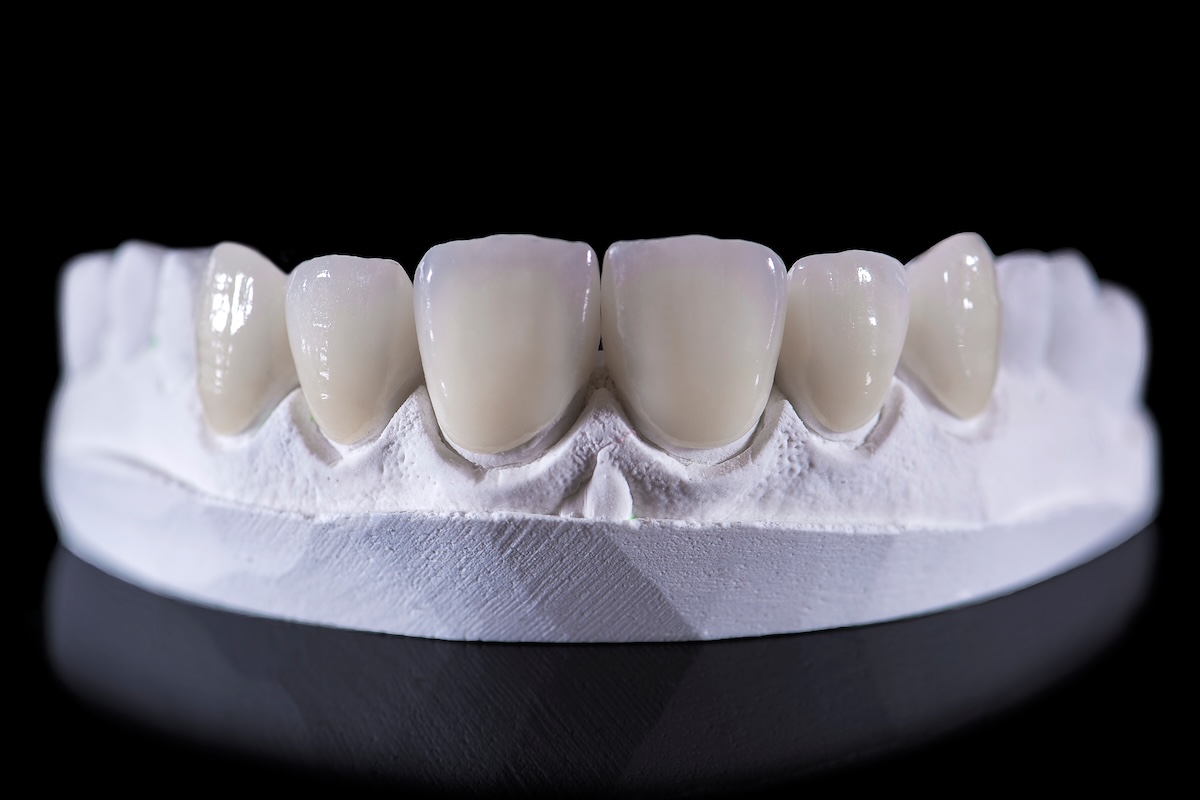
Porcelain veneers are generally considered the gold standard for aesthetics. Their translucency allows light to pass through in a way that closely resembles natural enamel. Composite veneers can look very good initially, but they lack the same depth and light reflection as porcelain.
Over time, composite veneers may lose some of their luster, while porcelain maintains its appearance for many years with proper care.
- Porcelain: Highly natural, translucent appearance.
- Composite: Good initial appearance, less depth over time.
Durability and Longevity
Durability is one of the biggest differences between composite veneer vs porcelain options. Porcelain veneers are harder and more resistant to wear, making them better suited for long-term use.
Composite veneers are more prone to chipping and wear, especially for individuals who grind their teeth or place heavy biting forces on their front teeth.
- Porcelain lifespan: Often 10 to 15 years or longer.
- Composite lifespan: Typically 5 to 7 years with maintenance.
Stain Resistance
Porcelain is highly resistant to staining from coffee, tea, wine, and other pigmented foods. Composite resin is more porous, which means it can absorb stains over time.
This difference is especially important for individuals who frequently consume staining foods or beverages.
- Porcelain: Excellent stain resistance.
- Composite: More likely to discolor over time.
Cost Considerations
Composite veneers generally have a lower upfront cost, which makes them appealing for budget-conscious patients or those seeking a temporary cosmetic solution. Porcelain veneers cost more initially due to lab fabrication and materials, but their longevity often provides better long-term value.
- Composite: Lower initial investment.
- Porcelain: Higher upfront cost, longer lifespan.
Composite Veneer vs Porcelain
| Category | Composite Veneers | Porcelain Veneers |
| Material | Tooth-colored resin | Dental porcelain or ceramic |
| Application | Sculpted directly on the tooth | Custom-made and bonded |
| Number of Visits | Often one visit | Typically two or more visits |
| Appearance | Natural-looking, less translucent | Highly natural and enamel-like |
| Durability | Moderate | High |
| Stain Resistance | Moderate | Excellent |
| Longevity | 5–7 years on average | 10–15+ years |
| Repairability | Easier to repair | Repairs usually require replacement |
| Upfront Cost | Lower | Higher |
Maintenance and Long-Term Care
Both composite and porcelain veneers require good oral hygiene to maintain their appearance and integrity. Daily brushing, flossing, and regular dental visits help protect the underlying teeth and surrounding gums.
Composite veneers may require more frequent polishing or touch-ups to maintain appearance, while porcelain veneers generally need less maintenance beyond routine care.
- Oral hygiene: Essential for both options.
- Night guards: Often recommended for teeth grinding.
- Regular checkups: Help monitor veneer condition.
Repair and Replacement Considerations
Composite veneers have the advantage of being easier to repair if chipped or damaged. In many cases, additional composite material can be added without replacing the entire veneer.
Porcelain veneers, while more durable, typically require full replacement if damaged. This is an important consideration for individuals concerned about long-term maintenance flexibility.
Who Might Choose Composite Veneers?
Composite veneers may be a good option for individuals seeking a more conservative or temporary cosmetic improvement. They are often chosen for minor imperfections or for those who want to test a cosmetic change before committing to a more permanent option.
They may also appeal to individuals who prefer minimal tooth alteration or who need a more budget-friendly solution.
Who Might Choose Porcelain Veneers?
Porcelain veneers are often preferred by individuals seeking a long-lasting, highly aesthetic solution. They are well-suited for more noticeable cosmetic concerns or for those who want results that closely resemble natural teeth over the long term.
Because they are custom-crafted, porcelain veneers allow for precise control over shape, color, and symmetry.

Making the Right Choice for Your Smile
Choosing between composite veneer vs porcelain options depends on your goals, expectations, and oral health. There is no single “best” option for everyone. Some people prioritize affordability and flexibility, while others value longevity and aesthetics above all else.
A professional evaluation helps determine which option aligns best with your smile, bite, and long-term dental health.
Learn More About Veneer Options
Both composite and porcelain veneers can enhance a smile when chosen thoughtfully. Understanding their differences helps you weigh short-term benefits against long-term outcomes.
If you have questions about veneers or want to learn more about cosmetic dental options, reach out to Wayzata Dental to learn more. Staying informed is the best way to make confident decisions about your smile.
