






If you are researching cosmetic dentistry options, understanding the differences between today’s most popular treatments can help you choose the approach that best fits your goals and expectations. Cosmetic dentistry focuses on improving the appearance of teeth, gums, and overall smile aesthetics while often supporting confidence and oral function. From whitening treatments to veneers, modern cosmetic solutions offer a wide range of possibilities depending on individual needs.
- Multiple treatment choices: Cosmetic procedures range from simple to comprehensive.
- Customized results: Different options address different smile concerns.
- Long-term planning matters: Durability, maintenance, and cost all vary.
What Is Cosmetic Dentistry?
Cosmetic dentistry refers to dental treatments designed primarily to improve the appearance of the smile. These procedures may address discoloration, uneven spacing, chipped teeth, worn enamel, or other aesthetic concerns.
While cosmetic procedures focus on appearance, some may also improve function or support long-term oral health. The right treatment depends on factors such as tooth condition, smile goals, budget, and maintenance expectations.
Why People Explore Cosmetic Dentistry Options
People consider cosmetic dental procedures for many reasons. Some want to correct visible imperfections, while others are looking to refresh the appearance of aging teeth.
Improving the appearance of a smile can also affect confidence in social and professional settings. Even small cosmetic changes may create a noticeable difference in overall smile balance.
- Stained teeth: Discoloration from food, drinks, or aging.
- Chips or cracks: Minor structural imperfections.
- Spacing concerns: Gaps or uneven alignment.
- Smile symmetry: Improving overall balance and appearance.
4 Top Cosmetic Dentistry Options
Modern cosmetic dentistry offers several popular treatments that address different aesthetic concerns. Each option comes with its own benefits, limitations, and maintenance considerations.

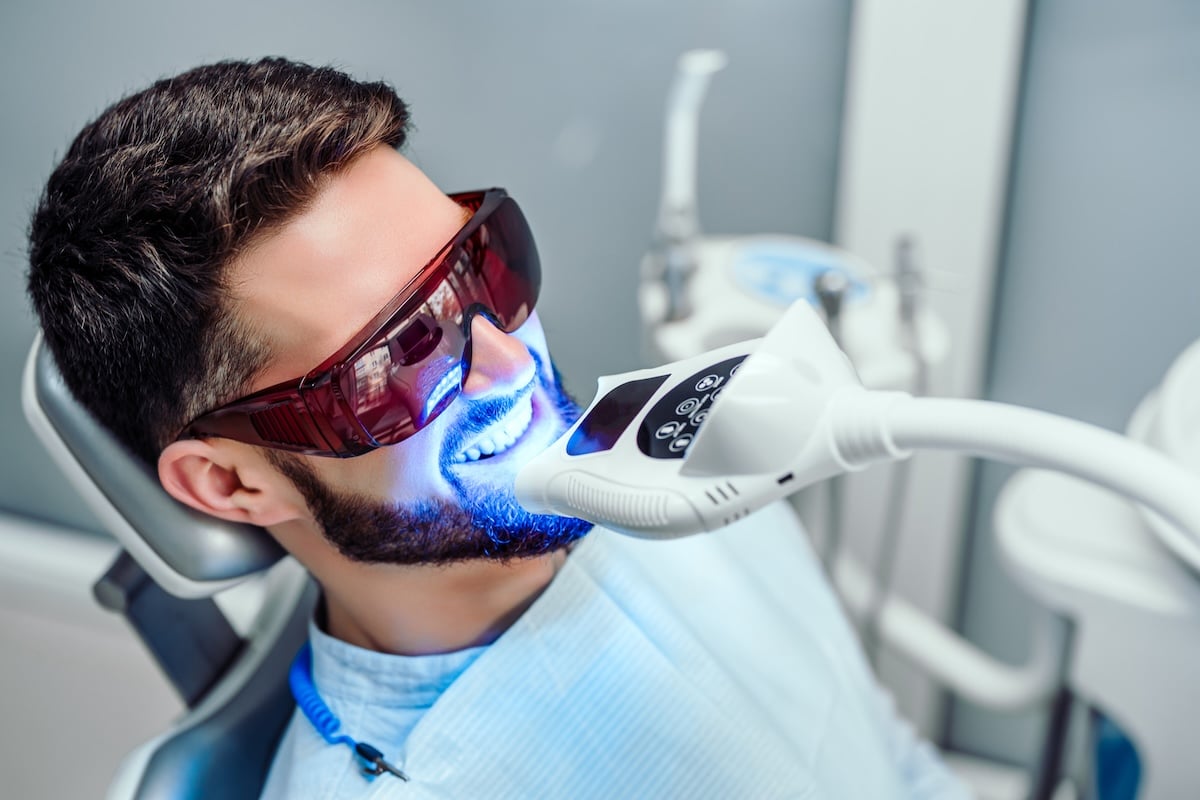
1. Professional Teeth Whitening
Professional teeth whitening is one of the most common cosmetic dental treatments because it can noticeably brighten teeth with relatively minimal treatment time. Whitening targets surface and deeper stains caused by coffee, tea, wine, tobacco, and natural aging.
Compared to over-the-counter products, professional whitening treatments are generally stronger and more controlled. Results vary depending on the starting shade and type of discoloration.
- Brightening effect: Helps reduce visible staining.
- Non-invasive treatment: Does not alter tooth structure.
- Variable longevity: Results depend on habits and maintenance.
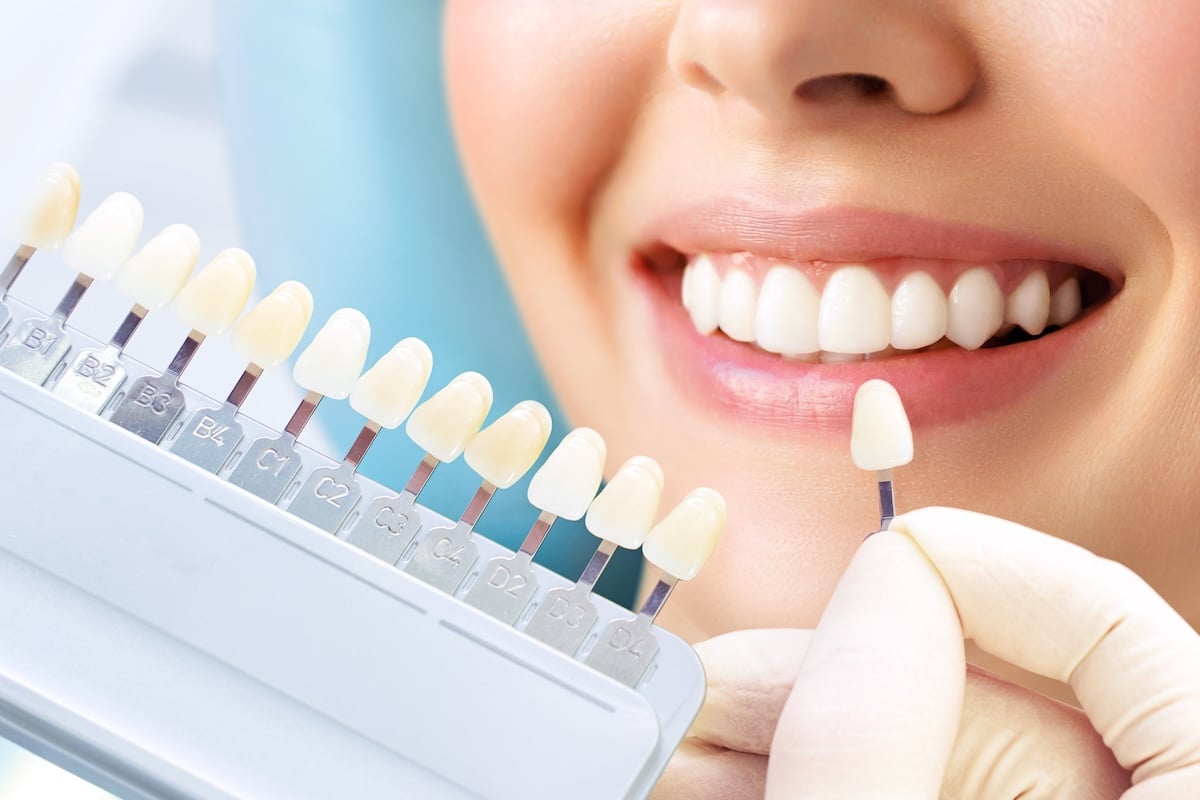
2. Dental Veneers
Veneers are thin coverings placed over the front surface of teeth to improve shape, color, and symmetry. They are often used for multiple cosmetic concerns at once, including discoloration, chips, gaps, and uneven teeth.
Porcelain veneers are known for their natural appearance and stain resistance, while composite veneers may offer a more conservative and lower-cost option.
- Smile transformation: Improves multiple cosmetic concerns simultaneously.
- Natural appearance: Designed to mimic enamel.
- Long-term solution: Requires maintenance and care over time.
Veneers vs Whitening Comparison
| Feature | Teeth Whitening | Dental Veneers |
| Primary Purpose | Brightens tooth color | Changes shape, color, and appearance |
| Invasiveness | Non-invasive | Requires tooth preparation in many cases |
| Longevity | Temporary results | Longer-lasting solution |
| Best For | Surface discoloration | Multiple cosmetic concerns |
| Cost Range | Lower overall cost | Higher long-term investment |
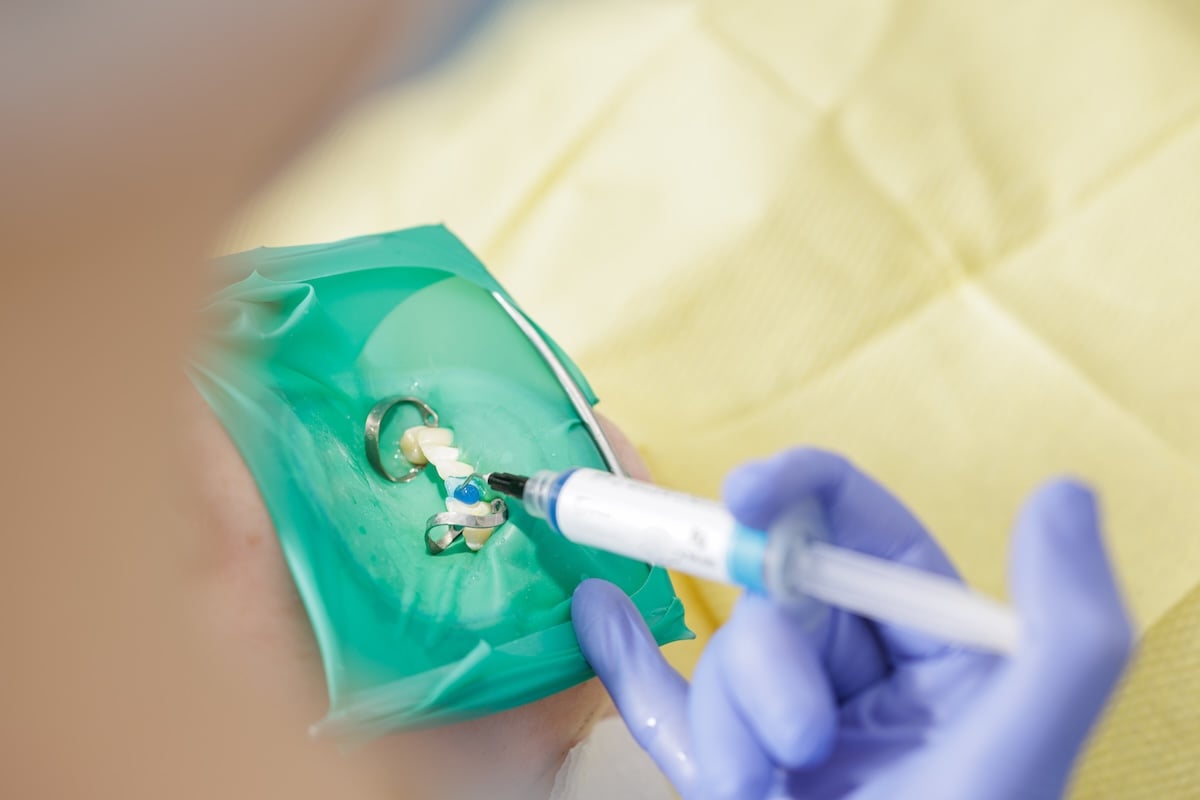
3. Cosmetic Dental Bonding
Dental bonding uses tooth-colored composite resin to improve the appearance of teeth. The material is shaped directly onto the tooth to repair chips, close small gaps, or improve contour.
Bonding is often considered one of the more conservative cosmetic procedures because it usually requires minimal enamel removal. However, the material is generally less durable than porcelain.
- Minimally invasive: Often preserves natural tooth structure.
- Quick results: Frequently completed in one visit.
- Repairable material: Chips can often be corrected easily.
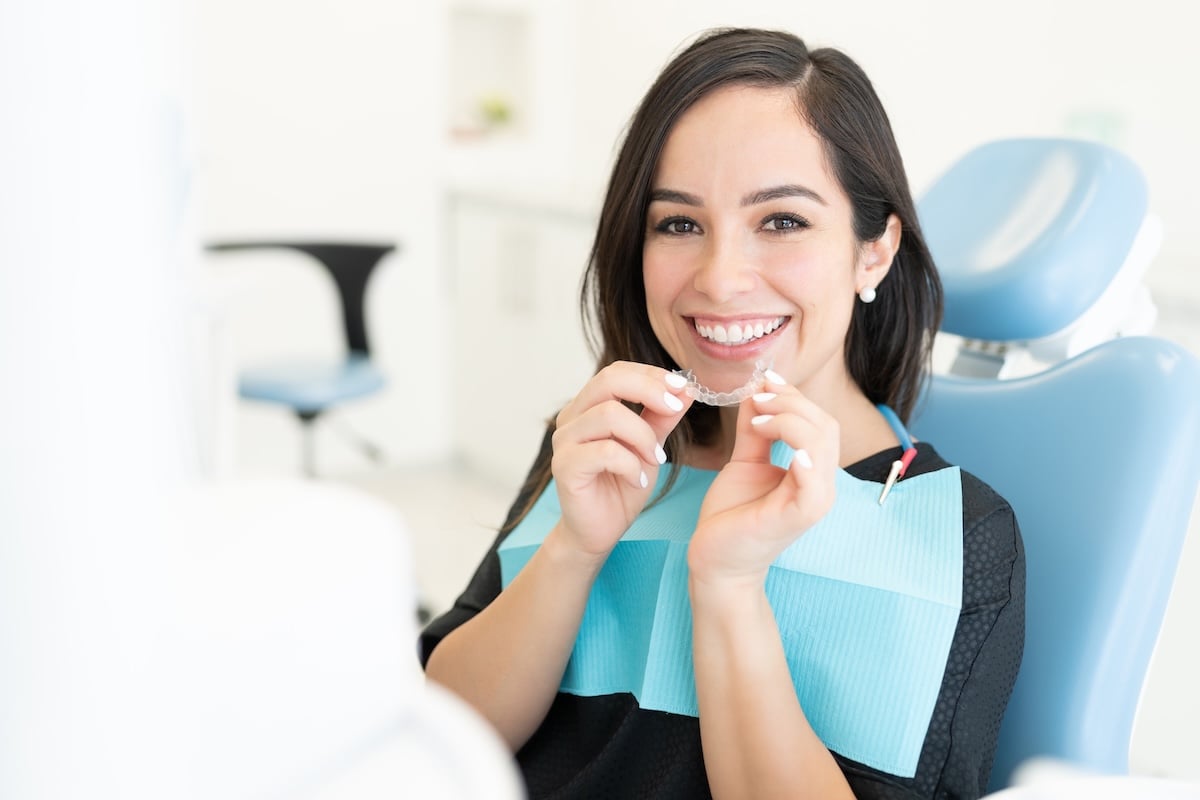
4. Clear Aligners
Clear aligners are orthodontic trays designed to gradually move teeth into better alignment. While orthodontic treatment also supports oral health, many adults pursue aligners primarily for cosmetic reasons.
These systems are popular because they are removable and less noticeable than traditional braces. Treatment timelines vary depending on alignment complexity.
- Improved alignment: Helps straighten teeth gradually.
- Removable trays: Easier eating and hygiene.
- Discreet appearance: Nearly invisible during wear.
Factors to Consider Before Choosing a Cosmetic Procedure
Choosing the right cosmetic treatment involves more than appearance alone. Long-term maintenance, oral health, and lifestyle habits all influence which option may be appropriate.
Budget and Longevity
Some cosmetic procedures cost less initially but require more maintenance over time. Others involve a larger upfront investment but last significantly longer.
Oral Health Condition
Healthy gums and teeth are important before cosmetic treatment begins. Existing decay or gum disease may need to be addressed first.
- Healthy foundation: Cosmetic work relies on stable oral health.
- Preventive care matters: Long-term maintenance protects results.
- Professional evaluation: Helps determine treatment suitability.
Lifestyle Habits
Habits such as smoking, teeth grinding, or consuming staining beverages can affect cosmetic treatment longevity.
How Long Cosmetic Dentistry Results Last
The lifespan of cosmetic dental work depends on the material used, oral hygiene habits, and daily wear.
- Whitening: Often lasts months to a few years.
- Bonding: Typically requires maintenance sooner than porcelain.
- Veneers: May last well over a decade with proper care.
- Aligners: Results depend on retainer use after treatment.
Routine dental visits and good oral hygiene help preserve cosmetic results for as long as possible.
The Importance of Realistic Expectations
Cosmetic dentistry can improve appearance significantly, but no treatment creates “perfect” teeth. Natural anatomy, bite structure, and oral health all influence final outcomes.
Understanding both the benefits and limitations of each option helps patients make more informed decisions and feel more satisfied with results.

Maintaining Cosmetic Dental Results
Long-term success depends heavily on maintenance habits after treatment.
- Daily brushing and flossing: Protect teeth and gums.
- Routine dental visits: Monitor restorations and oral health.
- Avoid harmful habits: Grinding and smoking can shorten lifespan.
- Diet awareness: Certain foods and drinks may stain restorations.
Making the Right Choice for Your Smile
The best cosmetic dentistry option depends on your specific concerns, goals, and expectations. Some patients prioritize subtle improvements, while others seek a more dramatic transformation.
Understanding the differences between treatments helps you weigh aesthetics, maintenance, durability, and cost before making a decision.
Learn More About Cosmetic Dental Care
Exploring cosmetic dentistry options is an important step toward understanding what treatments may align with your smile goals. Every option comes with unique advantages and considerations depending on your needs.
If you have questions about cosmetic dental treatments or want to learn more about improving your smile, reach out to Wayzata Dental to learn more. Staying informed helps you make confident decisions about your oral health and appearance.
