






If you’re comparing a dental bridge vs implant, you’re likely looking for the best long term solution to replace a missing tooth. Both treatment options restore your smile and improve chewing function, but they differ in how they are placed, how long they last, and who may be a good candidate. Understanding these differences can help you have a more informed conversation with your dentist.
- Both replace missing teeth: Bridges and implants restore appearance and function.
- Each has unique advantages: The right option depends on your oral health, lifestyle, and treatment goals.
- Professional evaluation matters: A comprehensive exam helps determine which solution is appropriate for your individual needs.
Why Replacing a Missing Tooth Is Important
Losing a tooth affects more than the appearance of your smile. Every tooth helps maintain proper bite alignment and supports neighboring teeth during everyday activities like chewing and speaking. When a tooth is missing, surrounding teeth may gradually shift into the open space, increasing the risk of bite changes and making oral hygiene more challenging.
Replacing a missing tooth can also improve chewing efficiency and speech while helping preserve the overall balance of your smile. Because every patient has different needs, several replacement options are available, with dental bridges and dental implants being two of the most common.

Effects of Leaving a Missing Tooth Untreated
- Shifting teeth: Adjacent teeth may gradually move into the empty space.
- Bite changes: Tooth movement can affect the way your teeth fit together.
- Difficulty chewing: Missing teeth may reduce chewing efficiency.
- Smile aesthetics: Visible gaps may affect confidence for some individuals.
What Is a Dental Bridge?
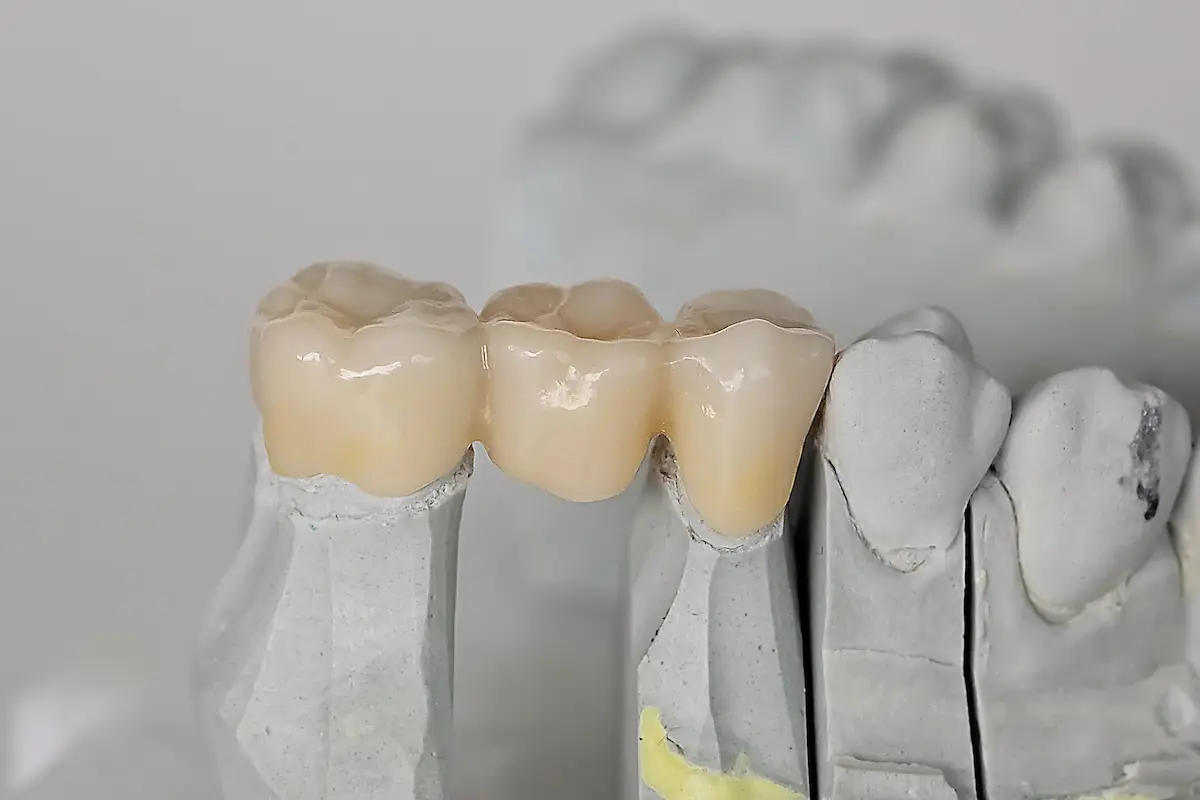
A dental bridge is a fixed restoration that replaces one or more missing teeth by attaching an artificial tooth to the natural teeth or restorations on either side of the gap. These neighboring teeth provide support for the replacement tooth, allowing the bridge to restore appearance and function.
Bridges have been used successfully for many years and may be recommended when the supporting teeth are healthy enough to hold the restoration. The exact type of bridge depends on the location of the missing tooth and each patient’s individual situation.
- Fixed restoration: Does not need to be removed for cleaning.
- Supported by neighboring teeth: Adjacent teeth anchor the bridge.
- Restores function: Helps improve chewing and appearance.
What Is a Dental Implant?
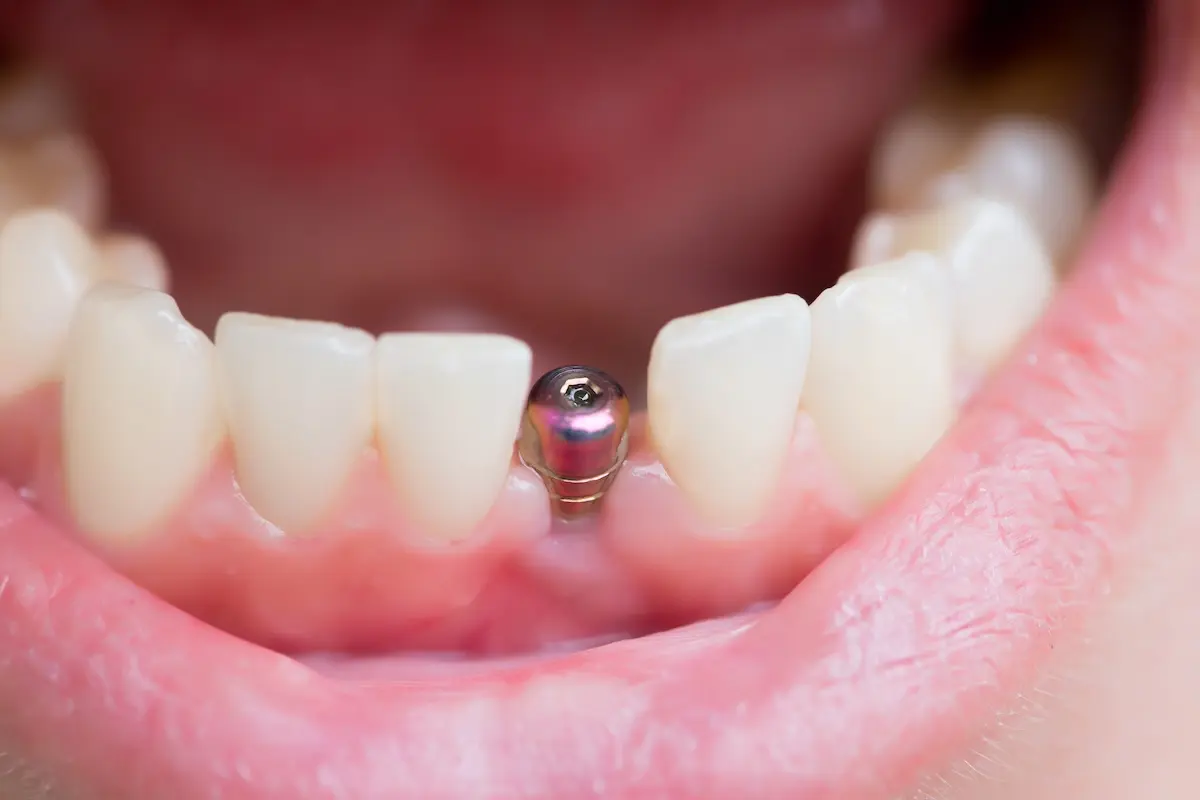
A dental implant replaces a missing tooth by placing a small titanium post into the jawbone, where it functions as an artificial tooth root. After the implant integrates with the surrounding bone during healing, a custom crown is attached to restore the visible portion of the tooth.

Unlike a bridge, an implant does not rely on neighboring teeth for support. Instead, it functions independently, making it a popular long term solution for many patients who have adequate bone and good overall oral health.
- Independent support: Does not depend on adjacent teeth.
- Artificial tooth root: Integrates with the jawbone.
- Custom restoration: Finished with a natural looking dental crown.
Dental Bridge vs Implant Comparison
Both dental bridges and implants are effective tooth replacement options, but they differ in several important ways. Comparing the two side by side can make it easier to understand which treatment may better fit your needs.
| Feature | Dental Bridge | Dental Implant |
| Support | Anchored by neighboring teeth | Supported by the jawbone |
| Procedure | Restores the gap using adjacent teeth | Places an artificial tooth root into the bone |
| Treatment Timeline | Generally completed in fewer appointments | Usually completed over several months due to healing |
| Jawbone Stimulation | Does not stimulate the jawbone | Helps maintain jawbone where the tooth is missing |
| Cleaning | Requires cleaning beneath the bridge | Brushed and flossed similarly to a natural tooth |
| Typical Longevity | Can last many years with proper care | Can last many years with proper care |
7 Ways to Determine the Right Tooth Replacement Option
Choosing between a bridge and an implant involves much more than comparing procedures. Your oral health, lifestyle, budget, and long term goals all influence which option may be most appropriate. A comprehensive dental evaluation allows your dentist to recommend a treatment plan tailored to your individual needs.
1. Consider Your Overall Oral Health
Healthy teeth and gums provide the foundation for either treatment. Before replacing a missing tooth, your dentist will evaluate for gum disease, tooth decay, and any conditions that may affect healing.
Patients with untreated dental problems often benefit from addressing those concerns before moving forward with restorative treatment.
- Healthy gums: Support long term treatment success.
- Healthy surrounding teeth: Important when considering a bridge.
- Comprehensive evaluation: Identifies issues that should be treated first.
2. Evaluate the Condition of Nearby Teeth
The teeth next to the missing space play an important role when considering a dental bridge. If those teeth already need crowns because of large fillings or damage, a bridge may be an efficient restorative solution.
On the other hand, if the neighboring teeth are completely healthy, preserving their natural structure may influence whether another option is considered.
- Existing restorations: May support bridge treatment.
- Healthy adjacent teeth: Often influence treatment planning.
- Individualized recommendations: Every situation is unique.
3. Think About Jawbone Health
After a tooth is lost, the jawbone in that area gradually changes because it is no longer stimulated by a tooth root. The amount of available bone may influence which replacement options are appropriate.
During your evaluation, your dentist may use digital imaging to assess the quality and quantity of bone before recommending treatment.
- Bone volume: Helps determine available options.
- Healing considerations: Bone health affects treatment planning.
- Digital imaging: Provides detailed diagnostic information.
4. Compare Treatment Timelines
Some patients prioritize completing treatment as quickly as possible, while others focus more on long term considerations. Dental bridges are often completed in fewer appointments because they do not require healing within the jawbone.
Dental implants generally involve a longer treatment timeline because the implant must integrate with the bone before the final restoration is placed. While this process requires patience, it allows the implant to become securely anchored before receiving the permanent crown.
- Bridge treatment: Often completed sooner.
- Implant treatment: Includes a healing period.
- Personal priorities: Timeline may influence your decision.
5. Consider Long Term Maintenance
Both bridges and implants require excellent oral hygiene and routine dental visits to remain healthy. Although daily care differs slightly, maintaining healthy gums is important regardless of which restoration you choose.
Your dentist will demonstrate proper cleaning techniques and discuss how routine maintenance helps maximize the longevity of your restoration.
- Brush twice daily: Maintain healthy surrounding teeth and gums.
- Floss regularly: Keep plaque under control.
- Routine dental visits: Allow ongoing monitoring of your restoration.
6. Think About Longevity
Both treatment options can provide many years of successful function when properly maintained. Longevity depends on several factors, including oral hygiene, bite forces, overall health, and routine dental care.
Rather than focusing only on how long a restoration may last, it is helpful to consider which treatment best fits your individual oral health needs and long term goals.
- Daily care matters: Good hygiene supports long lasting results.
- Routine maintenance: Professional cleanings remain important.
- Personal factors: Every patient’s experience is different.
7. Discuss Your Goals With Your Dentist
No article or online comparison can replace a personalized dental examination. Your dentist considers your medical history, oral health, cosmetic goals, and diagnostic findings before recommending a treatment plan.
By discussing your priorities and asking questions during your consultation, you can better understand which option aligns with your expectations and supports your long term oral health.
- Personalized recommendations: Based on your unique situation.
- Comprehensive evaluation: Includes imaging and oral examination.
- Shared decision making: Helps you choose with confidence.
Benefits of Dental Bridges
Dental bridges remain a reliable restorative treatment for many patients. They restore chewing function, improve smile appearance, and close gaps created by missing teeth without requiring surgical placement.
Depending on the condition of the surrounding teeth, a bridge may provide an effective solution that restores comfort and confidence while blending naturally with your smile.
- Restores chewing ability: Helps distribute biting forces.
- Improves appearance: Fills visible gaps.
- Fixed restoration: Stays securely in place.
- Natural looking results: Designed to match surrounding teeth.
Benefits of Dental Implants
Dental implants have become a popular tooth replacement option because they replace both the visible tooth and its supporting root. This allows the restoration to function independently while providing a stable foundation for the replacement crown.
For many patients, implants offer excellent stability and a natural feel during everyday activities such as eating and speaking.
- Independent support: Does not rely on neighboring teeth.
- Stable foundation: Designed to function like a natural tooth root.
- Natural appearance: Custom crown blends with surrounding teeth.
- Long term solution: Often provides many years of successful function.
Questions to Ask During Your Consultation
Preparing questions before your appointment can help you better understand your treatment options and feel more confident about your decision.
- Am I a candidate for both treatments?
- What are the advantages of each option for my smile?
- How long will treatment take?
- How should I care for my restoration?
- What follow up appointments will I need?
Choosing the Best Solution for Your Smile
Comparing a dental bridge vs implant is about finding the treatment that best supports your oral health, lifestyle, and long term goals. While both options successfully replace missing teeth, the most appropriate choice varies from one patient to the next based on factors such as gum health, jawbone condition, surrounding teeth, and personal preferences.
At Wayzata Dental, we take the time to understand your unique needs before recommending treatment. If you’re exploring options to replace a missing tooth, contact Wayzata Dental today to schedule an appointment. Our team can help you understand your choices and create a personalized treatment plan designed for your smile.
