






If you have ever wondered do root canals hurt, you are not alone. Root canals have long been associated with pain and discomfort, but much of that reputation comes from outdated information and common misconceptions. Modern dentistry has significantly improved the experience, making root canal treatment far more comfortable than many people expect. Understanding what is myth versus reality can help reduce anxiety and lead to better decisions about your dental health.
- Common fear: Root canals are often misunderstood as painful procedures.
- Modern advancements: Technology and techniques have improved patient comfort.
- Accurate information matters: Knowing the facts helps reduce unnecessary stress.
What Is a Root Canal?
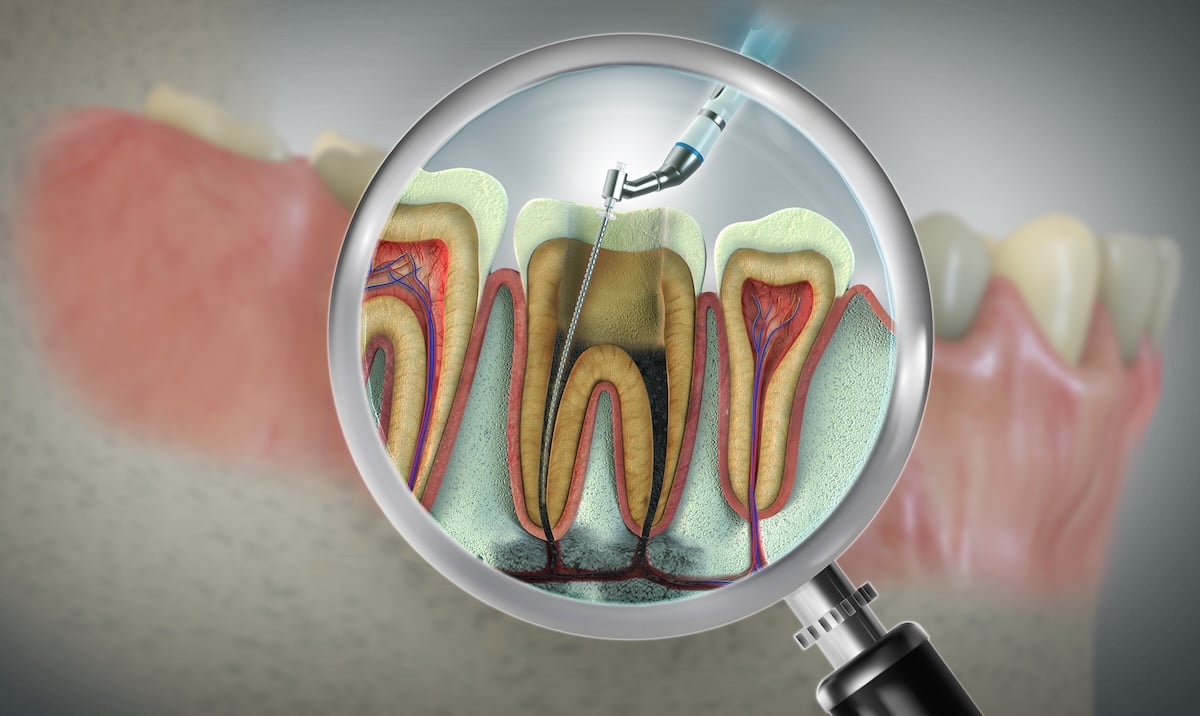
A root canal is a dental procedure used to treat infection or damage inside a tooth. When bacteria reach the inner pulp, which contains nerves and blood vessels, it can cause significant pain and inflammation. The goal of a root canal is to remove the infected tissue, clean the inside of the tooth, and seal it to prevent further infection.
This procedure allows the natural tooth to be preserved rather than removed. Keeping the original tooth helps maintain proper chewing function and alignment, which supports long-term oral health.

Why Root Canals Have a Bad Reputation
Root canals developed a reputation for being painful decades ago when dental technology and anesthetics were not as advanced. Today, that perception often lingers even though the experience has changed dramatically.
In reality, the pain people associate with root canals is usually caused by the infection itself, not the procedure. The treatment is designed to relieve that pain, not create it. Understanding this distinction is key to reducing fear and hesitation.
- Outdated experiences: Older techniques were less comfortable.
- Association with pain: Infection causes pain, not the procedure.
- Lingering myths: Misconceptions continue despite modern improvements.
Do Root Canals Hurt Today?
Most patients report that a root canal feels similar to getting a filling. Local anesthesia is used to numb the area, and modern techniques allow for precise and efficient treatment.

While some pressure may be felt during the procedure, sharp pain is typically not part of the experience. After treatment, mild soreness is possible as the area heals, but this is usually manageable and temporary.
6 Common Myths About Root Canals Debunked
Misunderstandings about root canals often prevent people from seeking timely care. Addressing these myths helps provide a clearer picture of what to expect.
1. Root Canals Are Extremely Painful
This is the most common myth, but it is not accurate with modern dentistry. The procedure is designed to remove pain caused by infection, not create additional discomfort.
- Reality: Local anesthesia keeps the area numb during treatment.
- Patient experience: Often compared to a standard filling.
- Post-treatment: Mild soreness may occur but is temporary.
2. Tooth Extraction Is a Better Option
Some people believe removing the tooth is easier than saving it. However, preserving the natural tooth is usually the preferred option when possible.
Keeping your natural tooth helps maintain proper alignment and avoids the need for replacement solutions like implants or bridges.
- Preservation matters: Natural teeth support overall oral function.
- Replacement complexity: Extractions often lead to additional procedures.
- Long-term benefit: Saving the tooth is typically more efficient.
3. Root Canals Cause Illness
This myth originated from outdated research that has since been discredited. Modern studies show no scientific link between root canals and systemic disease.
Root canal treatment actually removes harmful bacteria from the tooth, reducing infection rather than causing it.
4. Pain Goes Away Without Treatment
In some cases, pain from an infected tooth may temporarily decrease, but this does not mean the infection is gone. The bacteria can continue spreading even without symptoms.
Ignoring the problem can lead to more severe complications over time.
- Hidden infection: Bacteria may remain active.
- Risk of spread: Infection can affect surrounding tissue.
- Delayed care: Often leads to more complex treatment later.
5. Root Canals Require Multiple Long Appointments
While some cases may require more than one visit, many root canals are completed in a single appointment depending on the situation.
Advancements in dental technology have made procedures more efficient without sacrificing quality.
6. Recovery Is Long and Difficult
Recovery from a root canal is usually straightforward. Most patients return to normal activities within a day, with only mild sensitivity for a short period.
- Quick recovery: Normal routines often resume quickly.
- Manageable discomfort: Over-the-counter pain relief is often sufficient.
- Healing process: Improves as inflammation decreases.
What to Expect During a Root Canal
Understanding the process can help ease anxiety and make the experience feel more predictable.
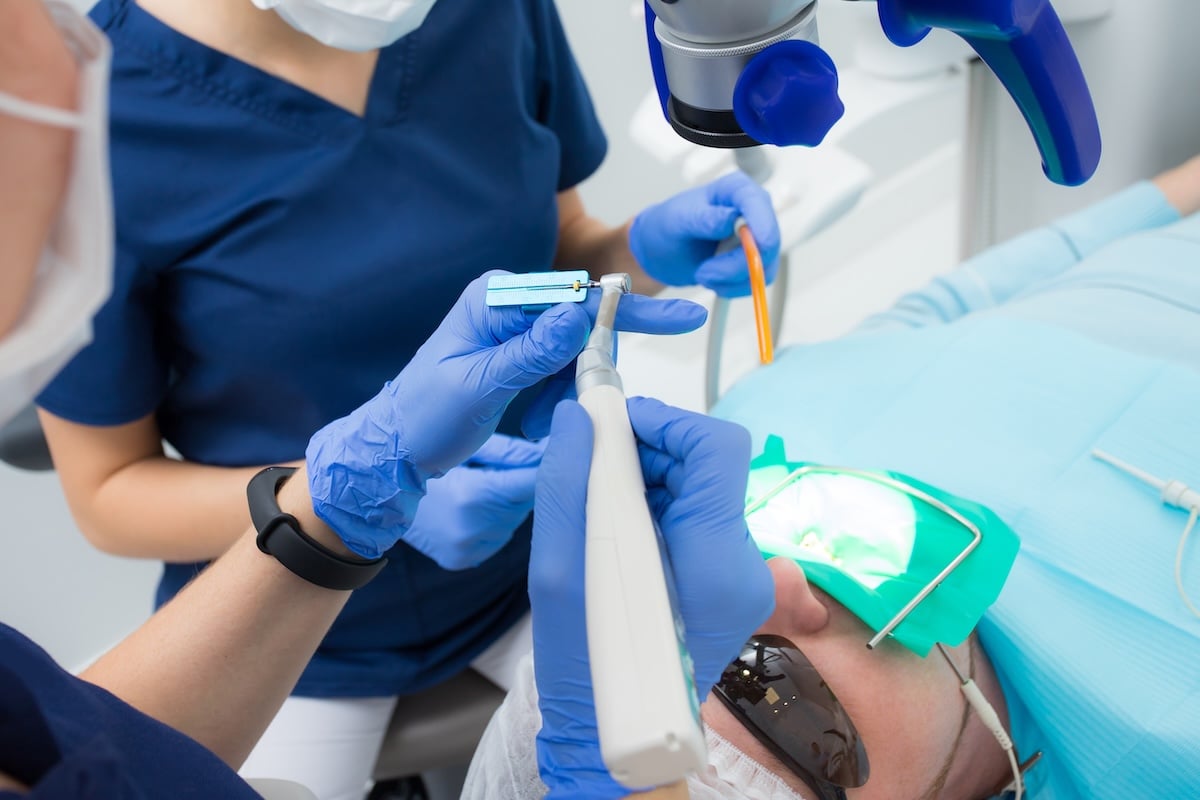
During the procedure, the area is numbed, and the dentist creates a small opening in the tooth to access the infected pulp. The infected tissue is removed, the area is cleaned, and the tooth is sealed. In many cases, a crown is later placed to protect the tooth and restore strength.
The entire process is focused on removing infection while preserving as much natural tooth structure as possible.
What to Expect After a Root Canal
After the procedure, it is normal to experience mild sensitivity or soreness as the surrounding tissues heal. This discomfort typically fades within a few days.
- Temporary sensitivity: Especially when chewing.
- Healing period: Improves steadily over time.
- Follow-up care: May include placement of a crown.
Maintaining good oral hygiene and attending follow-up appointments supports long-term success.
When a Root Canal Is Necessary
Root canal treatment is typically recommended when the inner pulp of the tooth becomes infected or inflamed. This can result from deep decay, repeated dental procedures, cracks, or trauma.
Symptoms that may indicate the need for treatment include persistent pain, sensitivity to temperature, swelling, or discoloration of the tooth. Early treatment helps prevent complications and preserves the tooth.
The Importance of Treating Infection Early
Delaying treatment can allow infection to spread beyond the tooth and into surrounding tissue. This can lead to more serious issues, including abscess formation or bone loss.
Prompt care not only relieves pain but also helps protect overall oral health. Addressing the issue early often leads to simpler and more predictable outcomes.
Making Informed Decisions About Root Canal Treatment
Understanding the truth behind the question do root canals hurt helps remove unnecessary fear and hesitation. Modern techniques have made the procedure far more comfortable and effective than many people expect.
Being informed allows you to make confident decisions and seek care when it is needed, rather than delaying treatment due to outdated assumptions.
Learn More About Your Treatment Options
Root canals are designed to relieve pain, not cause it, and they play an important role in preserving natural teeth. Separating myths from facts can make the experience feel much more manageable.
If you have questions about root canal treatment or want to better understand your dental health, reach out to Wayzata Dental to learn more. Staying informed is one of the best ways to protect your smile.
