






Grinded teeth repair is a common concern for patients dealing with the effects of chronic teeth grinding, also known as bruxism. Over time, grinding can wear down enamel, flatten biting surfaces, cause jaw pain, and lead to more serious dental issues like cracked teeth or TMJ disorders.
- Early intervention matters: Addressing grinding damage quickly helps protect long-term dental health.
- Multiple treatment options: Repair choices range from conservative bonding to full crowns or veneers.
- Custom solutions available: Your ideal treatment depends on severity, symptoms, and personal goals.
Whether your teeth are just starting to show signs of wear or you’ve been grinding for years, there are effective ways to restore function and appearance.
🤔 What Causes Teeth Grinding?
Bruxism can occur while awake or during sleep and is often linked to stress, bite misalignment, or certain sleep disorders. Over time, repetitive grinding puts excessive pressure on the teeth and jaw joints.

Signs You May Be Grinding Your Teeth
Teeth grinding is sometimes hard to notice without a dental exam. Here are a few common indicators:
- Worn-down teeth: Flat or chipped edges, especially on molars and front teeth.
- Tooth sensitivity: Pain or discomfort when eating hot, cold, or sweet foods.
- Jaw or facial pain: Especially noticeable in the morning for nighttime grinders.
- Headaches: Often felt at the temples due to jaw muscle overuse.
- Cracked or loose teeth: Grinding can create microfractures that weaken the enamel.
- Visible stress lines: Hairline cracks across teeth that aren’t due to trauma.
If you suspect you’re grinding your teeth, it’s important to seek dental evaluation before more damage occurs.
How Does Grinding Damage Teeth?
Teeth are designed to withstand normal chewing forces—but grinding applies pressure far beyond what they’re built for. Over time, this leads to both cosmetic and functional issues.

Cosmetic Concerns
Teeth may appear shorter, flattened, or chipped. The natural translucency near the biting edge may wear away, giving teeth a dull or aged appearance.
Structural Damage
Constant pressure can create tiny cracks in enamel, which may deepen into fractures or cause sections of the tooth to break off. Severe grinding can even wear down teeth to the point that the nerve becomes exposed.
Jaw Joint Stress
Chronic grinding also puts stress on the temporomandibular joint (TMJ), leading to inflammation, clicking, or restricted movement. If left untreated, it may contribute to chronic TMJ dysfunction.
⭐️ 5 Effective Grinded Teeth Repair Options
Treatment options vary depending on how much damage has occurred and whether the grinding habit is ongoing. Here’s a breakdown of the most common solutions:
- Dental Bonding:
- Best for: Minor chips, small enamel loss, or cosmetic reshaping.
- What it involves: A tooth-colored composite resin is applied to affected areas, shaped to restore the tooth’s original form, and hardened with a special light.
- Benefits: Quick, cost-effective, and minimally invasive.
- Limitations: Less durable than other options; may stain or wear over time.
- Dental Crowns:
- Best for: Severely worn, cracked, or structurally compromised teeth.
- What it involves: A custom-made crown covers the entire tooth to restore shape, strength, and function.
- Benefits: Offers strong protection and long-term results.
- Limitations: Requires more enamel removal and is more costly than bonding.
- Porcelain Veneers:
- Best for: Front teeth with moderate wear, chipping, or flattening.
- What it involves: Thin ceramic shells are bonded to the front of teeth to restore appearance and function.
- Benefits: Highly aesthetic and stain-resistant.
- Limitations: Not ideal for patients with ongoing severe grinding unless paired with a nightguard.
- Tooth Reshaping and Contouring:
- Best for: Mild enamel unevenness or sharp edges from grinding.
- What it involves: Your dentist smooths or shapes enamel to improve appearance and bite alignment.
- Benefits: Fast and painless with no anesthesia needed.
- Limitations: Only appropriate for minor surface issues.
- Full Mouth Reconstruction:
- Best for: Advanced wear across many or all teeth.
- What it involves: A comprehensive approach using a mix of crowns, veneers, or bridges to restore function and aesthetics.
- Benefits: Fully restores bite function and facial structure.
- Limitations: Requires multiple visits and higher investment.
👍 Preventing Further Damage From Grinding
Even the best dental repair won’t last if the underlying habit continues. That’s why treating bruxism itself is just as important as repairing the teeth.
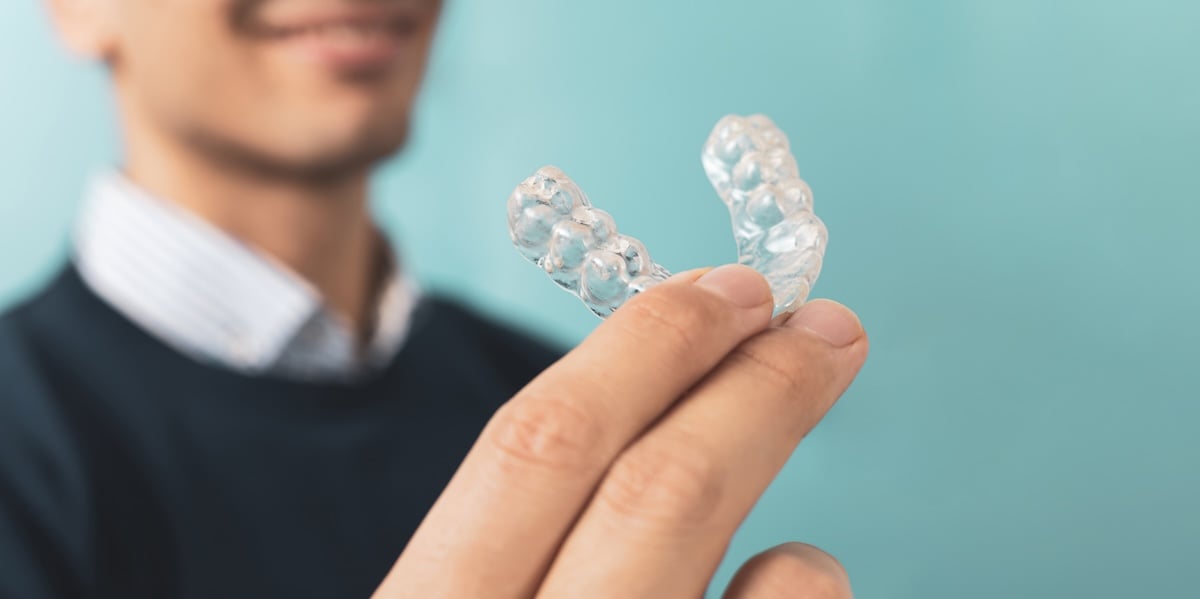
Custom Nightguards
A nightguard is one of the most effective tools for managing nighttime teeth grinding. It creates a barrier between the upper and lower teeth, absorbing pressure and protecting enamel.
- Comfortable fit: Custom-made to your bite for better sleep compliance.
- Long-lasting protection: Prevents new damage and prolongs the life of dental work.
- Jaw relief: Helps reduce strain on TMJ and surrounding muscles.
Bite Adjustment
If your bite is misaligned, minor reshaping or orthodontic treatment can help distribute chewing forces more evenly.
- Occlusal adjustment: Involves polishing down high spots on teeth to balance the bite.
- Orthodontics: Clear aligners or braces may be recommended if alignment issues are contributing to grinding.
Stress Management
Because stress and anxiety are common triggers for grinding, lifestyle changes may also help reduce the frequency and intensity of the habit.
- Relaxation techniques: Deep breathing, yoga, or guided meditation.
- Behavioral therapy: CBT techniques to reduce unconscious jaw clenching.
- Exercise: Physical activity helps manage stress levels naturally.
⌛️ When to Seek Treatment for Grinded Teeth
Many people don’t realize they’re grinding until damage has already occurred. That’s why early detection and intervention are key.
Signs It’s Time to See a Dentist
- Your teeth look shorter or more uneven than they used to
- You experience jaw pain, clicking, or headaches in the morning
- You see visible cracks or chips on multiple teeth
- You’ve had dental work break or fail due to biting pressure
- You wake up with sore jaw muscles or tension in your temples
The sooner you seek help, the more options you’ll have to preserve your natural teeth and avoid more costly repairs later on.
⭐️ Restore Your Smile With Grinded Teeth Repair at Wayzata Dental
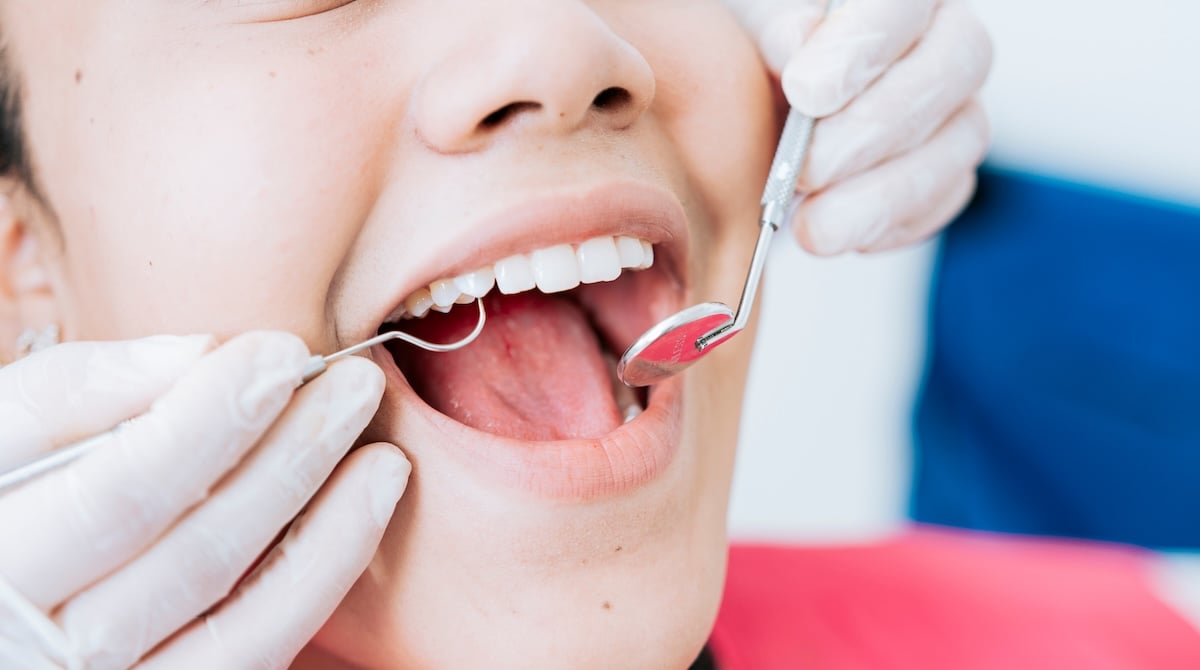
Grinding your teeth may be a subconscious habit, but its effects are real—and lasting. Fortunately, with personalized grinded teeth repair, you can restore both the health and appearance of your smile. From cosmetic bonding to full mouth reconstruction, Wayzata Dental offers modern, patient-centered solutions for every stage of bruxism damage.
If you suspect you’ve been grinding your teeth, don’t wait. Contact Wayzata Dental today to schedule a consultation and discover the best treatment options to protect and restore your smile for the long term.
