






If you are preparing for or recovering from a procedure, understanding gum graft healing stages can help you feel more confident about what to expect. Gum grafting is a common treatment used to restore receding gum tissue and protect exposed tooth roots. While the procedure itself is important, the healing process plays a critical role in achieving long-term success and comfort.
- Healing takes time: Recovery happens in stages over several weeks.
- Symptoms vary: Swelling, sensitivity, and minor discomfort are normal early on.
- Proper care matters: Following instructions supports better healing outcomes.
What Is a Gum Graft?
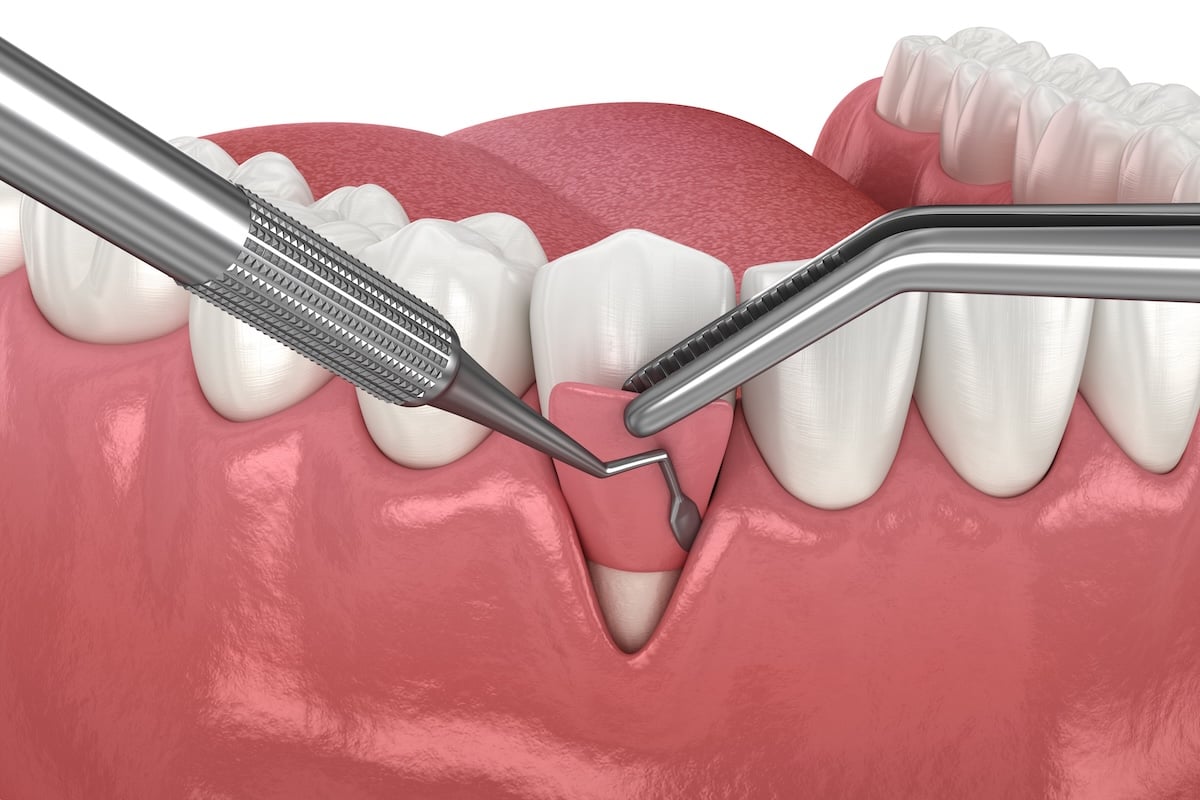
A gum graft is a procedure that involves taking tissue from one area of the mouth or using donor tissue to cover exposed roots or areas of recession. This helps protect the tooth, reduce sensitivity, and improve overall gum health.
Gum grafts are often recommended when gum recession exposes the root surface, which can increase the risk of decay, sensitivity, and further tissue loss. The procedure is designed to restore both function and stability, although the full benefits depend on proper healing.
Why Healing Stages Matter
Healing after a gum graft is not immediate. The body goes through a series of biological steps to integrate the new tissue, establish blood supply, and strengthen the area.
Understanding these stages helps set realistic expectations and reduces unnecessary concern when symptoms change throughout recovery. It also allows patients to recognize when healing is progressing normally.
Gum Graft Healing Stages Explained
Healing occurs gradually and can vary slightly depending on the individual, the type of graft used, and overall health. Below is a general timeline of what most patients experience.

Stage 1: The First 24 to 48 Hours
The initial stage focuses on clot formation and protection of the graft site. This is when the body begins the healing process and works to stabilize the tissue.
During this time, it is common to experience mild bleeding, swelling, and discomfort. Rest and limited activity are important to avoid disrupting the graft.
- Blood clot formation: Essential for protecting the graft.
- Swelling and tenderness: Normal inflammatory response.
- Sensitivity: Especially around the treated area.
Stage 2: Days 3 to 7
During this stage, the body begins forming new tissue connections. Swelling typically starts to decrease, although some discomfort may still be present.
The graft begins integrating with surrounding tissue, and proper care becomes especially important to avoid irritation or infection.
- Reduced swelling: Signs of early healing progress.
- Tissue bonding: Graft starts attaching to the site.
- Care sensitivity: Avoid disturbing the area.
Stage 3: Weeks 2 to 4
At this point, the graft becomes more stable and continues to strengthen. New blood vessels develop, improving circulation and supporting long-term healing.
Most patients begin to feel more comfortable during this stage, although the area may still be slightly sensitive.
- Improved stability: Graft is more secure.
- New tissue growth: Healing becomes more noticeable.
- Decreased discomfort: Daily activities feel more normal.
Stage 4: One Month and Beyond
Long-term healing continues as the gum tissue fully integrates and matures. The color and texture of the graft begin to blend more naturally with surrounding gums.
While the area may look mostly healed after a few weeks, full healing can take several months.
- Tissue maturation: Final stages of healing occur.
- Improved appearance: Gums begin to look more natural.
- Long-term stability: Supports lasting oral health.
What to Expect During Recovery
Recovery experiences vary, but most patients notice gradual improvement over time. Understanding what is typical can help reduce concern during the healing process.

Common Symptoms During Healing
It is normal to experience certain symptoms as the body heals and adapts to the graft.
- Mild to moderate discomfort: Usually manageable and temporary.
- Swelling: Often peaks within the first few days.
- Bruising: May appear near the treatment site.
- Sensitivity: Especially to temperature or pressure.
Changes in Appearance
The grafted area may look different during each stage of healing. Color changes, slight swelling, and texture differences are part of the normal process.
As healing progresses, the tissue gradually blends with surrounding gums.
What to Avoid After a Gum Graft
Protecting the graft during healing is essential. Certain habits or activities can interfere with recovery and should be avoided.
- Brushing the graft site too early: Can disrupt healing tissue.
- Hard or crunchy foods: May irritate or damage the area.
- Smoking or vaping: Slows healing and increases complications.
- Strenuous activity: May increase bleeding or swelling.
4 Tips to Support Faster Healing
While healing cannot be rushed, certain habits can support a smoother recovery and reduce complications.
- Follow post-care instructions: Always follow professional guidance.
- Eat soft foods: Helps avoid pressure on the graft.
- Stay hydrated: Supports overall healing.
- Maintain gentle hygiene: Clean surrounding areas carefully.
When to Contact a Dental Professional
While most gum graft recoveries are uneventful, certain symptoms may require attention. Knowing when to reach out can help prevent complications.
- Persistent or severe pain: Beyond expected discomfort levels.
- Excessive bleeding: That does not improve over time.
- Signs of infection: Such as fever or unusual swelling.
- Graft movement: If the tissue appears displaced.
Long-Term Care After Healing
Once healing is complete, maintaining gum health becomes the priority. Preventing future recession helps protect the results of the procedure.
- Consistent oral hygiene: Brushing and flossing daily.
- Regular dental visits: Monitoring gum health over time.
- Gentle brushing technique: Avoiding gum damage.
- Managing grinding habits: Using protective devices if needed.

How Healing Affects Final Results
The success of a gum graft depends not only on the procedure itself but also on how well the tissue heals and integrates. Healthy healing leads to better coverage, reduced sensitivity, and improved stability.
Patients who follow care instructions and maintain good oral hygiene typically experience better long-term outcomes.
Understanding Your Recovery Timeline
Healing timelines vary, but understanding gum graft healing stages helps set realistic expectations. While early recovery happens within weeks, full healing continues over several months.
Patience and proper care are key to ensuring the graft integrates successfully and supports long-term oral health.
Learn More About Gum Health and Recovery
Gum graft recovery is a gradual process that requires attention and care at each stage. Knowing what to expect helps reduce uncertainty and supports better healing outcomes.
If you have questions about gum health, recovery, or preventive care, reach out to Wayzata Dental to learn more. Staying informed is one of the best ways to protect your smile for the long term.
