






If you are wondering how to improve oral microbiome health, the answer begins with understanding the delicate balance of bacteria living inside your mouth. The oral microbiome plays a critical role in digestion, immunity, inflammation control, and overall systemic health. When this ecosystem becomes imbalanced, harmful bacteria can multiply, increasing the risk of cavities, gum disease, and even broader health concerns.
- Balance matters: A healthy oral microbiome supports teeth, gums, and immune function.
- Disruption is common: Diet, stress, and hygiene habits influence bacterial balance.
- Small changes help: Daily habits can significantly improve oral microbial health.
What Is the Oral Microbiome?
The oral microbiome refers to the community of bacteria, fungi, and microorganisms that naturally live in the mouth. Not all bacteria are harmful. In fact, many are beneficial and help protect against infection by competing with harmful strains.
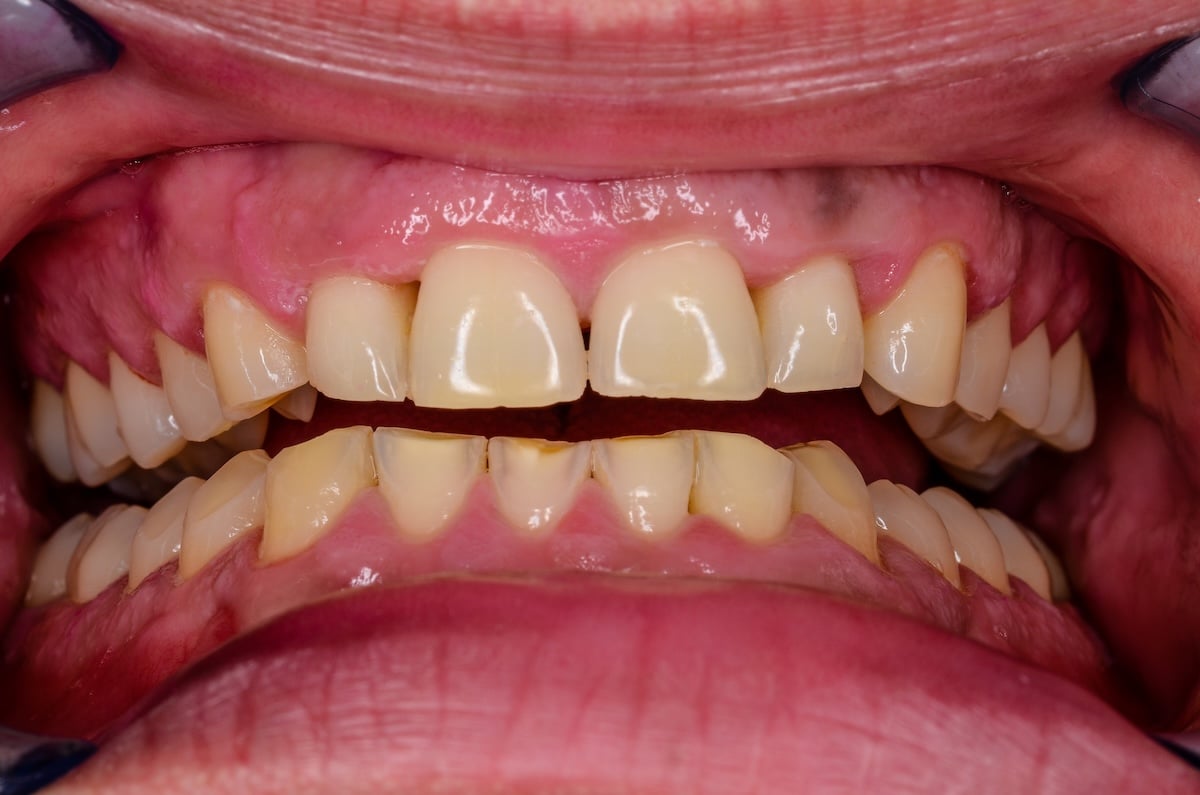
Problems arise when harmful bacteria outnumber beneficial ones. This imbalance, sometimes called dysbiosis, can contribute to tooth decay, bad breath, gum inflammation, and systemic inflammation. Supporting microbial balance does not mean eliminating bacteria entirely. It means creating an environment where beneficial organisms thrive.
Why the Oral Microbiome Matters for Overall Health
The mouth is one of the main entry points to the body. Bacteria from the oral cavity can travel through the bloodstream and influence other systems, including the heart and digestive tract.
Research increasingly links oral bacterial imbalance to conditions such as cardiovascular disease, diabetes, and inflammatory disorders. While oral hygiene alone cannot prevent systemic disease, maintaining microbial balance supports overall wellness.
- Immune interaction: Oral bacteria interact directly with immune cells.
- Inflammation control: Healthy gums reduce chronic inflammation.
- Digestive role: Saliva and bacteria begin food breakdown.
Signs Your Oral Microbiome May Be Out of Balance
Certain symptoms may suggest that harmful bacteria are gaining the upper hand. While only a dental professional can diagnose specific conditions, these signs often indicate imbalance.

- Persistent bad breath: Caused by bacterial overgrowth.
- Frequent cavities: Linked to acid-producing bacteria.
- Bleeding gums: A sign of inflammation.
- Dry mouth: Reduced saliva disrupts microbial balance.
5 Ways To Improve Oral Microbiome Health
Improving microbial balance requires consistency rather than drastic changes. These five strategies help create a healthier environment for beneficial bacteria.

1. Focus on Gentle, Consistent Oral Hygiene
Brushing and flossing remain foundational habits for supporting the oral microbiome. However, the goal is not to sterilize the mouth but to remove harmful plaque buildup while preserving beneficial bacteria.
Using a soft-bristled toothbrush and fluoride toothpaste twice daily helps reduce harmful bacteria without damaging enamel or irritating gums.
- Brush twice daily: Focus on gumline and tongue.
- Floss once daily: Removes plaque between teeth.
- Avoid aggressive brushing: Protects enamel and gum tissue.
2. Limit Sugar and Processed Carbohydrates
Sugar feeds harmful bacteria that produce acid, which weakens enamel and disrupts microbial balance. Reducing frequent sugar exposure is one of the most effective ways to protect your oral ecosystem.
This does not require eliminating sugar completely, but minimizing snacking and sugary beverages can significantly reduce acid production.
- Reduce sugary drinks: Soda and juice promote bacterial growth.
- Avoid constant snacking: Frequent sugar exposure fuels acid production.
- Rinse with water: Helps neutralize acids after meals.
3. Support Saliva Production
Saliva plays a vital role in regulating oral bacteria. It helps wash away food particles, neutralize acids, and deliver minerals that strengthen enamel.
Dehydration, certain medications, and stress can reduce saliva flow, increasing bacterial imbalance.
- Stay hydrated: Drink water consistently throughout the day.
- Chew sugar-free gum: Stimulates saliva production.
- Address dry mouth symptoms: Consult a professional if persistent.
4. Consider Probiotic Support
Emerging research suggests that certain probiotics may help restore microbial balance in the mouth. While more studies are ongoing, some strains are being evaluated for their ability to reduce harmful bacteria levels.
Probiotic lozenges or supplements specifically formulated for oral health may support beneficial bacteria populations when used alongside good hygiene habits.
- Oral probiotics: Designed for mouth-specific bacteria.
- Dietary sources: Yogurt and fermented foods may contribute.
- Professional guidance: Discuss options before starting supplements.
5. Maintain Regular Dental Checkups
Routine dental visits allow early detection of microbial imbalance and professional plaque removal. Even with excellent home care, tartar can accumulate and create environments where harmful bacteria thrive.
Professional cleanings help reset the oral environment and support long-term balance.
- Professional cleaning: Removes hardened tartar.
- Early detection: Identifies inflammation or decay early.
- Personalized advice: Tailored recommendations based on your needs.
Habits That Can Harm the Oral Microbiome
Certain behaviors can unintentionally disrupt bacterial balance and increase inflammation.
- Overuse of harsh mouthwash: Strong antiseptics may eliminate beneficial bacteria.
- Smoking or vaping: Alters bacterial composition and gum health.
- Poor diet: High sugar intake promotes harmful bacterial growth.
- Chronic stress: May reduce saliva and weaken immune response.
Moderation and balance are key. The goal is not to eliminate bacteria but to maintain a stable ecosystem.
The Role of the Tongue in Microbial Balance
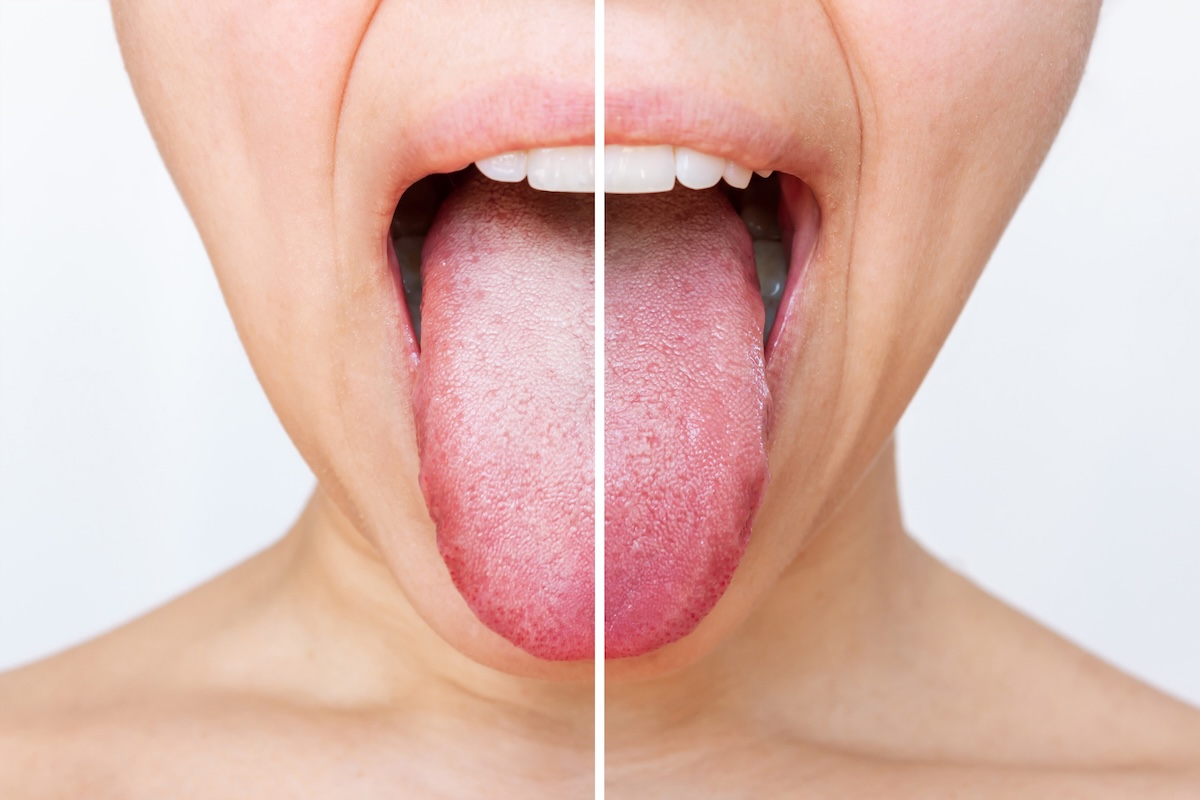
The tongue surface harbors a significant portion of oral bacteria. Gently cleaning the tongue can reduce harmful buildup while maintaining overall balance.
- Tongue brushing or scraping: Removes excess bacteria.
- Gentle technique: Avoid irritation or injury.
- Daily practice: Supports fresher breath and balance.
Oral Microbiome and Inflammation
When harmful bacteria dominate, the immune system responds with inflammation. Chronic gum inflammation can damage tissue and bone over time.
Supporting microbial balance reduces inflammatory triggers and helps maintain healthier gum tissue. Healthy gums are typically firm, pink, and do not bleed during brushing or flossing.
How Long Does It Take to Improve the Oral Microbiome?
Improving microbial balance does not happen overnight. Consistent habits over weeks and months gradually shift bacterial populations.
Small improvements, such as reducing sugar intake or improving flossing technique, can begin influencing bacterial balance relatively quickly, but lasting change requires long-term consistency.
Building a Healthier Oral Environment
Improving oral microbiome health is about supporting balance rather than sterilization. Thoughtful hygiene, proper nutrition, hydration, and regular dental visits all contribute to a stable and healthy oral ecosystem.
By understanding how to improve oral microbiome balance, you can make daily choices that benefit not only your teeth and gums but your overall well-being.
If you have questions about maintaining a healthy mouth or want to learn more about preventive dental care, reach out to Wayzata Dental to learn more. Supporting your oral health is an important step toward protecting your whole-body health.
