






If you have an infected tooth broken at gum line, managing the pain while seeking prompt dental care is important for protecting your oral health. A tooth that has broken near or below the gumline can expose sensitive tissue, trap bacteria, and increase the risk of infection. While home remedies may provide temporary relief, they cannot eliminate the underlying infection, making professional evaluation essential.
- Pain often worsens over time: Untreated infections can spread beyond the tooth.
- Temporary relief is possible: Several home measures may reduce discomfort.
- Professional care is necessary: Home remedies do not cure an infected tooth.
Why a Tooth Broken at the Gum Line Can Become Infected
When a tooth breaks at or below the gumline, the protective enamel is no longer able to shield the inner layers of the tooth. Bacteria can enter through cracks or exposed pulp, leading to inflammation and infection. Food particles and plaque also become more difficult to remove, increasing the likelihood of bacterial growth.
Without treatment, the infection may spread into the surrounding gums, bone, or nearby teeth. Early attention often results in more treatment options and reduces the risk of complications.
- Bacterial entry: Cracks expose the inner tooth.
- Food accumulation: Broken teeth trap debris more easily.
- Greater infection risk: Bacteria can spread into surrounding tissue.
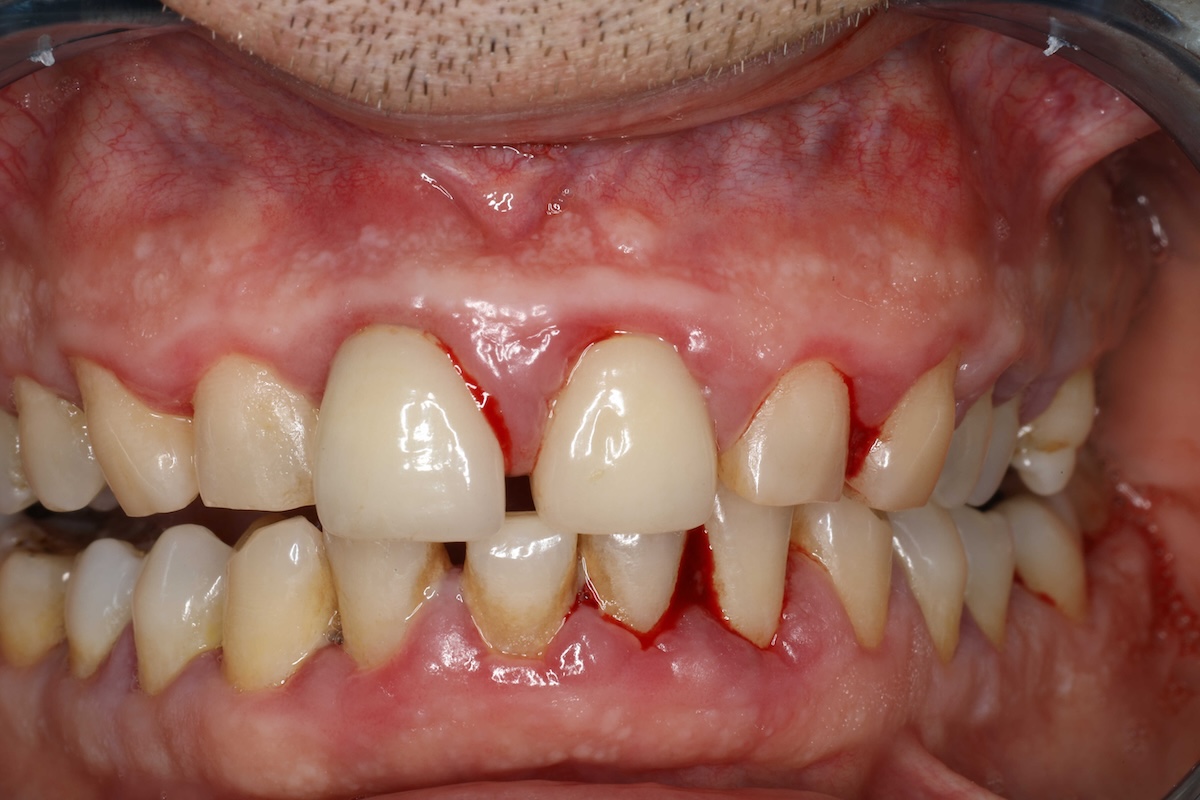
Common Symptoms of an Infected Broken Tooth
Symptoms vary depending on the severity of the infection, but they often become more noticeable as the condition progresses. While some people experience constant pain, others may notice symptoms that come and go before worsening.
Pain and Sensitivity
Persistent tooth pain is often the first sign of infection. The discomfort may become worse when chewing or when consuming hot, cold, or sweet foods.
- Throbbing pain: May occur continuously or intermittently.
- Temperature sensitivity: Hot and cold foods can trigger discomfort.
- Pain while biting: Pressure often increases symptoms.
Swelling and Gum Changes
An infected tooth may cause swelling around the gumline or jaw. The gums may appear red, tender, or puffy near the broken tooth.

- Localized swelling: Common around the affected tooth.
- Redness: Inflamed gums often appear darker than normal.
- Tenderness: Touching the area may increase discomfort.
Other Warning Signs
Additional symptoms can develop as the infection progresses.
- Bad taste in the mouth: May result from drainage.
- Persistent bad breath: Bacteria can produce unpleasant odors.
- Fever or facial swelling: May indicate a more serious infection requiring immediate attention.
6 Pain Relief Methods While Waiting for Treatment
Although these methods may temporarily reduce discomfort, they should never replace professional treatment. An infected tooth requires evaluation to remove the source of the infection.
1. Rinse with Warm Salt Water
A warm saltwater rinse can help flush away food particles and temporarily soothe irritated gum tissue. While it will not eliminate the infection, it may reduce irritation around the broken tooth.
- Helps cleanse the area: Removes loose debris.
- Soothes irritated tissue: May reduce temporary discomfort.
- Easy to prepare: Mix salt with warm water.
2. Apply a Cold Compress
Applying a cold compress to the outside of the face can help reduce swelling and temporarily numb the area.
- Reduces inflammation: Helps minimize swelling.
- Numbs discomfort: May lessen pain temporarily.
- Short applications: Use for 10 to 15 minutes at a time.
3. Take Over-the-Counter Pain Relievers
Nonprescription pain medications may help manage discomfort until you can be evaluated by a dental professional. Always follow the manufacturer’s directions or your healthcare provider’s recommendations.
- Temporary pain relief: Helps improve comfort.
- May reduce inflammation: Depending on the medication.
- Not a cure: Infection still requires treatment.
4. Eat Soft Foods
Choosing softer foods reduces pressure on the damaged tooth and minimizes irritation while chewing.
- Avoid crunchy foods: They may worsen pain.
- Choose softer meals: Yogurt, soup, and mashed vegetables are common options.
- Chew on the opposite side: Helps reduce pressure.
5. Keep the Area Clean
Gentle oral hygiene helps reduce plaque and bacteria around the broken tooth. Even if the area is sensitive, keeping it clean supports healthier surrounding tissues.
- Brush carefully: Avoid excessive pressure.
- Rinse after eating: Helps remove trapped food.
- Floss gently: If comfortable to do so.
6. Avoid Temperature Extremes
Very hot or very cold foods and beverages may increase discomfort by stimulating exposed nerves within the damaged tooth.
- Choose lukewarm foods: Often more comfortable.
- Limit sugary foods: They may increase sensitivity.
- Avoid chewing ice: Can worsen damage.
What Not to Do
Some home remedies may actually increase discomfort or delay appropriate treatment. Avoid attempting to repair the tooth yourself or placing unapproved materials into the damaged area. Likewise, do not ignore symptoms simply because they temporarily improve, as infections can continue progressing beneath the surface.
- Do not glue the tooth: Household adhesives are unsafe.
- Avoid delaying treatment: Infection rarely resolves on its own.
- Do not ignore swelling or fever: These symptoms may require urgent evaluation.
- Avoid chewing on the damaged tooth: This can worsen the fracture.
Can a Broken Tooth Heal on Its Own?
Unlike cuts or scrapes on the skin, a broken tooth cannot regenerate lost enamel or repair structural damage by itself. Once the tooth fractures, the damaged portion remains vulnerable to bacteria and further breakdown. If the pulp is exposed, infection may continue spreading even if the pain temporarily decreases.
Many people assume that reduced pain means the tooth is improving, but in some cases it simply means the nerve has become severely damaged. Prompt treatment gives the best chance of preserving the tooth and preventing additional complications.
- No natural repair: Teeth cannot regrow broken enamel.
- Hidden damage: Infection may continue even if pain decreases.
- Early treatment matters: Prompt care often preserves more tooth structure.
How Dentists Diagnose an Infected Broken Tooth
A thorough dental examination helps determine the extent of the damage and whether the tooth can be restored. During the visit, a dentist will examine the remaining tooth structure, evaluate the surrounding gums, and usually take digital X-rays to look for infection beneath the gumline or around the tooth root.
This information allows a treatment plan to be based on the actual condition of the tooth rather than symptoms alone. Because every fracture is different, professional imaging is an important part of making an accurate diagnosis.
- Visual examination: Assesses fractures and gum health.
- Digital X-rays: Detect infection and evaluate the tooth root.
- Treatment planning: Recommendations depend on the severity of the damage.
What Is a Periodontal Abscess?
In some cases, pain near a broken tooth is not caused solely by the tooth itself but by a periodontal abscess. A periodontal abscess is a localized infection that develops in the gum tissue surrounding a tooth, often when bacteria become trapped in a deep gum pocket or around a fracture. Unlike an infection inside the tooth, a periodontal abscess affects the supporting structures around the tooth and can cause significant discomfort if left untreated.
Although both conditions can produce similar symptoms, they require a professional evaluation to determine the exact source of the infection and the most appropriate treatment. Prompt care can help relieve pain, control the infection, and reduce the risk of damage to surrounding tissues.
- Localized infection: Develops within the gums surrounding the tooth.
- Common symptoms: Swelling, tenderness, pus drainage, and pain while chewing.
- Can occur with broken teeth: Fractures may allow bacteria to enter surrounding gum tissue.
- Professional diagnosis is important: Treatment depends on whether the infection involves the tooth, the gums, or both.
Possible Professional Treatment Options
The appropriate treatment depends on how much of the tooth remains, the severity of the infection, and whether the tooth can be preserved.
In some situations, root canal treatment followed by a crown may save the tooth if enough healthy structure remains. If the damage is too extensive, extraction may be recommended to eliminate the infection and protect surrounding teeth and bone. The best treatment option varies from patient to patient and requires a professional evaluation.
- Root canal therapy: May save an infected tooth with healthy remaining structure.
- Dental crown: Restores strength after treatment.
- Tooth extraction: Recommended when the tooth cannot be saved.
- Future tooth replacement: Options may include bridges or dental implants when appropriate.
When to Seek Immediate Care
Some symptoms should never be managed with home remedies alone. An untreated dental infection can spread into surrounding tissues and, in rare cases, become a serious medical emergency.
Seek prompt evaluation if you experience:
- Severe facial swelling: Especially if it spreads rapidly.
- Difficulty swallowing or breathing: Requires immediate medical attention.
- Persistent fever: May indicate a spreading infection.
- Severe, worsening pain: Especially if it interrupts sleep or daily activities.
Why You Shouldn’t Delay Treatment
Waiting too long to address an infected broken tooth often allows bacteria to spread deeper into the surrounding tissues. What begins as localized discomfort can eventually affect neighboring teeth, the jawbone, or nearby soft tissue. Early treatment often provides more options and may reduce the need for more extensive procedures later.
Even if the pain comes and goes, it is important not to assume the infection has resolved. Professional evaluation helps determine the true condition of the tooth and the most appropriate next step.
- Limits infection spread: Early care helps protect nearby teeth.
- May preserve the tooth: Prompt treatment can improve outcomes.
- Supports overall health: Treating oral infections benefits more than just your smile.
Preventing Future Tooth Fractures
Although not every broken tooth can be prevented, healthy habits can reduce the risk of future fractures and infections.
- Wear a mouthguard: During sports or if you grind your teeth.
- Avoid chewing hard objects: Such as ice or hard candy.
- Treat cavities early: Weakened teeth are more likely to fracture.
- Maintain routine dental visits: Early detection helps prevent larger problems.
Don’t Ignore an Infected Broken Tooth
An infected tooth broken at gum line is more than just a painful inconvenience. Without treatment, the infection can continue to spread and may eventually affect neighboring teeth, the jawbone, or other areas of the body.
Temporary pain relief methods can make you more comfortable, but they should only be used while arranging professional dental care. Addressing the problem promptly gives you the best opportunity to relieve pain, protect your oral health, and prevent more serious complications.
Learn More About Protecting Your Oral Health
A broken tooth combined with an infection requires timely attention to prevent more serious complications. Understanding your symptoms and knowing when to seek treatment can make a significant difference in protecting your long-term oral health.
If you have questions about a damaged tooth or want to learn more about your treatment options, reach out to Wayzata Dental to learn more. Prompt evaluation is the best way to protect your smile and overall dental health.
