






Understanding the potential benefits of a laser frenectomy can help parents and adults make informed decisions when tongue-tie or lip-tie affects oral function, speech, or comfort. Tongue-tie and lip-tie occur when the frenulum, which is the small band of tissue connecting the tongue or lip to the mouth, is too tight or restrictive. While treatment is not always necessary, certain cases may benefit from professional evaluation and intervention.
- Function-focused care: Frenectomy procedures aim to improve movement and comfort.
- Laser technology matters: Modern techniques can offer precision and reduced recovery time.
- Professional evaluation is essential: Not every tongue-tie or lip-tie requires treatment.
What Are Tongue-Tie and Lip-Tie?
Tongue-tie, also known as ankyloglossia, occurs when the tissue under the tongue restricts its movement. Lip-tie happens when the tissue connecting the upper lip to the gums limits lip mobility. These conditions vary in severity and can affect infants, children, and adults differently.
In mild cases, tongue-tie or lip-tie may not cause noticeable issues. In more restrictive cases, they may interfere with feeding, speech, oral hygiene, or comfort. A qualified healthcare provider evaluates whether symptoms are related to restricted tissue or another underlying issue.
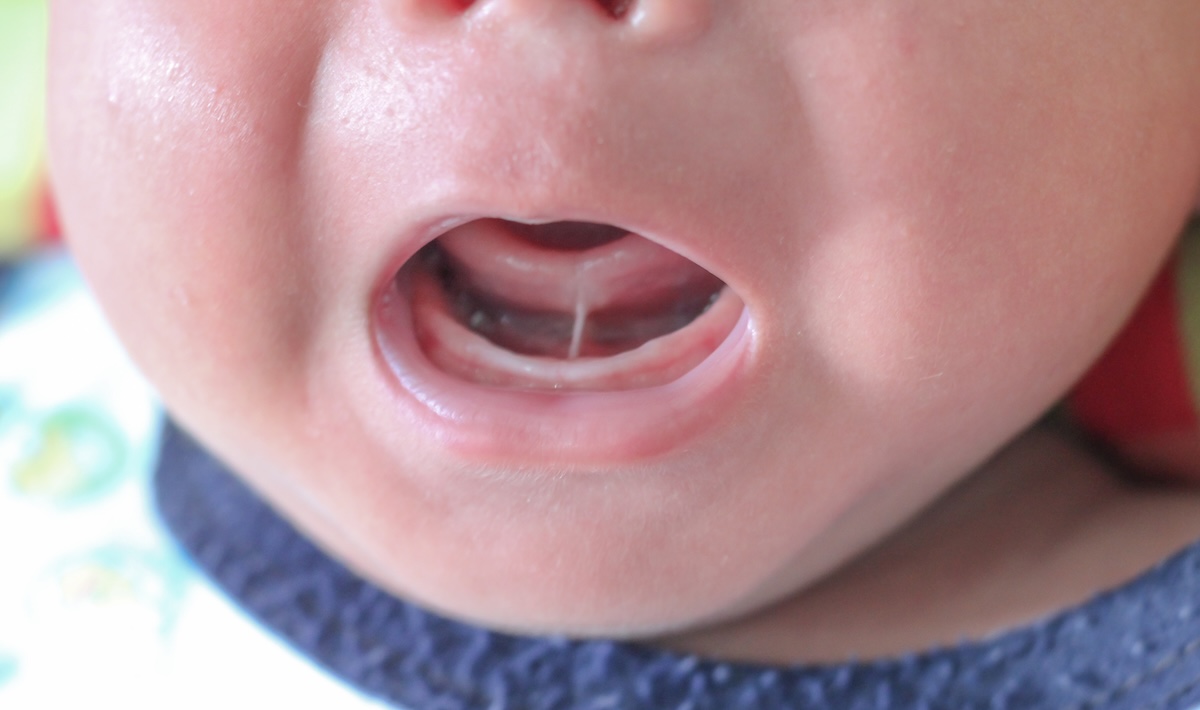
What Is a Laser Frenectomy?
A frenectomy is a procedure that releases or removes restrictive frenulum tissue. When performed using laser technology, the process involves a focused beam of light to precisely reshape or release the tissue rather than using a scalpel.
Laser frenectomy techniques are used in various healthcare settings and may be recommended based on age, anatomy, and functional concerns. As with any medical or dental procedure, treatment decisions should always be guided by professional assessment.
Why Laser Technology Is Used
Laser-based procedures are often chosen for their precision and controlled approach. Laser energy allows providers to target specific tissue while minimizing disruption to surrounding areas.

Laser frenectomy is not appropriate for every patient, but understanding why lasers are used helps explain why this option may be discussed during evaluations.
6 Benefits Of Laser Frenectomy
When professionally indicated, laser frenectomy may offer several advantages compared to traditional techniques. These benefits depend on individual circumstances and provider expertise.
1. Improved Tongue or Lip Mobility
One of the primary goals of a laser frenectomy is to improve movement of the tongue or lip. Increased mobility may support better function in daily activities.
- Tongue movement: May assist with speech clarity or swallowing.
- Lip movement: Can improve lip seal and oral comfort.
- Functional improvement: Outcomes vary based on severity and age.
2. Reduced Discomfort During the Procedure
Laser techniques often result in less tissue trauma than traditional surgical methods. This can translate to reduced discomfort during and after the procedure.
- Minimal pressure: No cutting motion involved.
- Targeted treatment: Limits impact on surrounding tissue.
- Patient comfort: Often improved compared to scalpel methods.
3. Limited Bleeding
Laser energy cauterizes tissue as it works, which can significantly reduce bleeding during the procedure. This is one reason lasers are commonly used for soft tissue treatments.
- Controlled blood flow: Improves visibility during treatment.
- Cleaner procedure: May reduce post-procedure mess.
- Calmer experience: Particularly beneficial for younger patients.
4. Faster Healing Time
Because laser frenectomy causes less trauma to surrounding tissue, healing may occur more quickly for some patients. Reduced swelling and inflammation can support a smoother recovery.
- Less swelling: Compared to traditional surgical techniques.
- Shorter recovery window: Varies by individual.
- Earlier return to normal activities: Often possible with provider guidance.
5. Lower Risk of Infection
Lasers sterilize the area they treat, which may reduce bacterial presence at the site. This can contribute to a lower risk of infection when proper aftercare is followed.
- Sterilizing effect: Laser energy reduces bacteria.
- Cleaner incision area: Supports healing.
- Aftercare still essential: Professional instructions must be followed.
6. Precise and Controlled Treatment
Laser technology allows for a high level of precision. Providers can adjust the depth and intensity of the laser to match the specific anatomy and needs of each patient.
- Customization: Treatment tailored to individual anatomy.
- Preserved tissue: Limits unnecessary removal.
- Predictable outcomes: Dependent on provider experience.

Who May Be Evaluated for a Frenectomy?
Laser frenectomy is not automatically recommended for every tongue-tie or lip-tie. Evaluation focuses on function rather than appearance alone.
- Infants: In infants, restricted tissue may be evaluated if feeding difficulties, poor latch, or discomfort are present. Pediatric specialists often collaborate when determining next steps.
- Children: In children, concerns may include speech development, oral hygiene challenges, or spacing issues. Evaluation typically involves multiple factors, including growth patterns.
- Adults: Adults may experience discomfort, speech challenges, or tension related to restricted tissue. Evaluation focuses on whether symptoms are directly related to the frenulum.
The Importance of Professional Assessment
Not all tongue-ties or lip-ties require treatment. A professional evaluation helps determine whether a frenectomy is appropriate or whether monitoring is sufficient.
Providers consider mobility, symptoms, compensatory habits, and overall oral health before making recommendations. In many cases, conservative management may be preferred.
What Recovery Typically Involves
Recovery experiences vary depending on age and individual healing response. Providers often recommend gentle stretching exercises or follow-up visits to support proper healing.
- Post-procedure care: Instructions are tailored to the patient.
- Monitoring progress: Follow-up ensures proper function.
- Healing timeline: Varies by individual and technique used.
Understanding Risks and Limitations
While laser frenectomy offers benefits, it is not without limitations. As with any procedure, risks exist and outcomes cannot be guaranteed.
Potential considerations include incomplete release, reattachment, or the need for additional therapy. Discussing expectations with a qualified provider is essential.
How Ongoing Dental Visits Support Oral Development
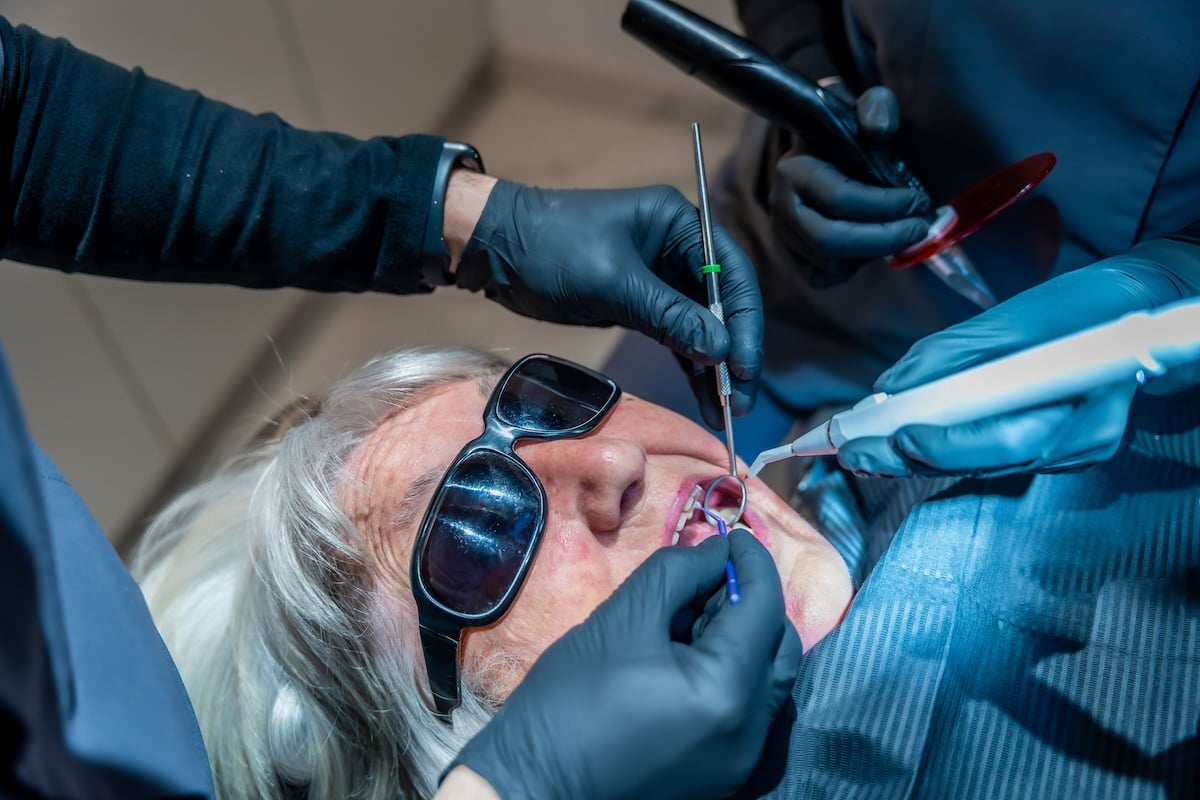
Routine dental visits play an important role in identifying functional concerns early. Dentists monitor oral development, tissue health, and movement over time.
Early detection allows families and patients to explore options thoughtfully and involve appropriate specialists when needed.
Learn More About Tongue-Tie and Lip-Tie Care
Learning about the benefits of a laser frenectomy helps patients and parents understand one possible approach to managing tongue-tie and lip-tie. However, treatment decisions should always be based on professional evaluation and individual needs.
If you have questions about tongue-tie, lip-tie, or how oral development is monitored, reach out to Wayzata Dental to learn more. Staying informed supports confident, well-informed healthcare decisions.
