






If you are comparing treatment options for gum disease, understanding how laser gum cleaning differs from traditional deep cleaning methods can help you evaluate which approach may be more effective. Both techniques aim to remove harmful bacteria and restore gum health, but they use different technologies and may offer different experiences for patients. The right choice depends on the severity of gum disease, overall health, and professional recommendations.
- Two primary approaches: Laser and traditional scaling both target gum infection.
- Technology differences: One uses focused light energy, the other manual instruments.
- Effectiveness varies by case: Outcomes depend on severity and provider expertise.
What Is Gum Disease?
Gum disease, also known as periodontal disease, is a bacterial infection that affects the gums and supporting structures of the teeth. It begins with plaque buildup and can progress from mild inflammation to significant tissue and bone loss if left untreated.
In early stages, symptoms may include redness, swelling, and bleeding during brushing. As the condition advances, gum pockets deepen and bone support may deteriorate. Treating gum disease promptly helps prevent long-term complications, including tooth loss.
What Is Traditional Gum Cleaning?
Traditional gum cleaning, often called scaling and root planing, is the standard treatment for moderate to advanced gum disease. It involves carefully removing plaque and tartar from below the gumline using specialized instruments.
During the procedure, dental professionals clean the root surfaces to remove bacteria and smooth rough areas where plaque accumulates. This allows the gums to reattach to the teeth and reduces inflammation over time.
- Mechanical removal: Instruments physically scrape away tartar.
- Root smoothing: Reduces bacterial retention.
- Proven method: Used for decades in periodontal care.
What Is Laser Gum Cleaning?
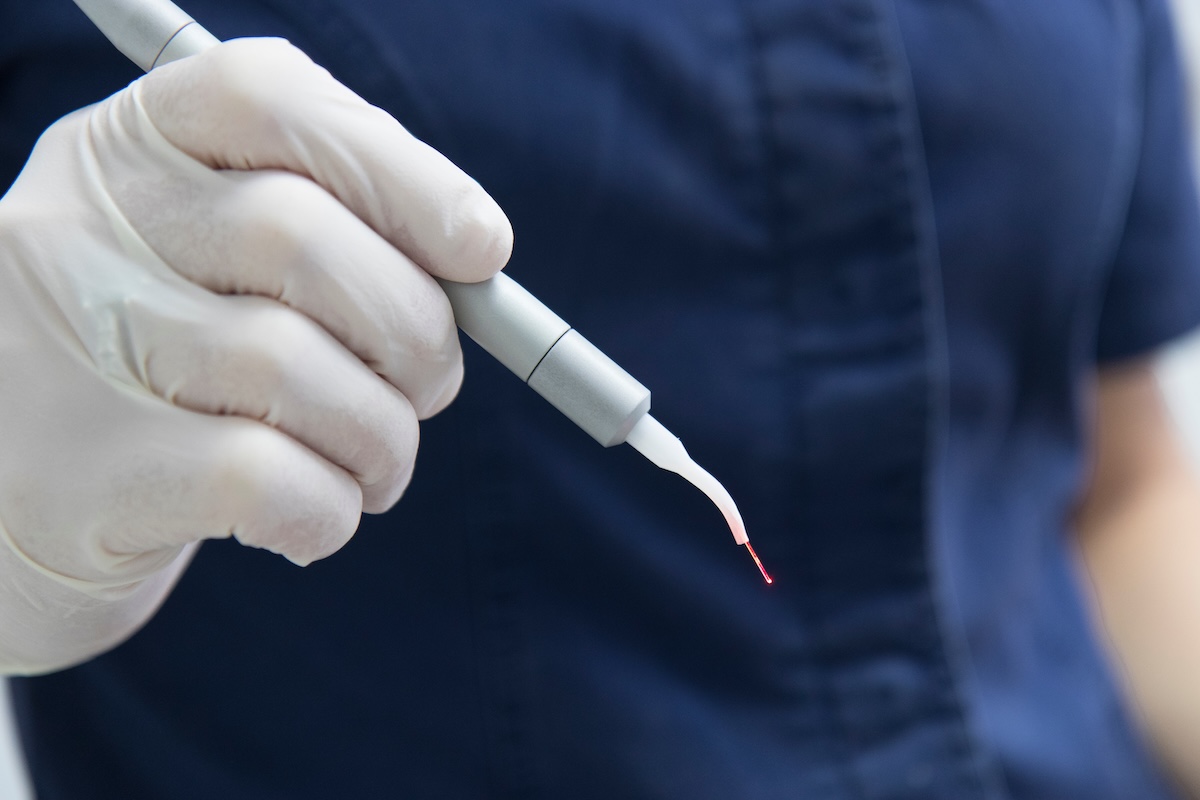
Laser gum cleaning uses focused laser energy to target and remove infected tissue and bacteria from periodontal pockets. The laser can also help sterilize the area and stimulate healing.

Instead of scraping alone, the laser energy disrupts harmful bacteria while preserving as much healthy tissue as possible. This approach is often discussed as a more advanced or minimally invasive alternative.
- Targeted energy: Laser focuses on infected tissue.
- Bacterial reduction: Heat helps disinfect the area.
- Precision treatment: May preserve more healthy tissue.
How Do They Compare in Effectiveness?
Effectiveness depends largely on the severity of gum disease and the skill of the provider. Both laser and traditional treatments aim to reduce pocket depth and bacterial presence.
Traditional scaling and root planing has decades of clinical research supporting its effectiveness. Laser-assisted treatment has also shown positive outcomes in certain cases, particularly when used as an adjunct to traditional methods.
Bacteria Removal
Both methods remove harmful bacteria from below the gumline, but they do so differently.
- Traditional: Physically removes tartar and plaque.
- Laser: Disrupts bacteria and infected tissue with light energy.
Healing Response
Laser treatment may promote faster healing in some patients due to reduced tissue trauma. However, healing time varies widely based on individual health factors.
- Laser advantage: May reduce bleeding and swelling.
- Traditional advantage: Predictable results with established protocols.
Pocket Depth Reduction
Reducing periodontal pocket depth is a primary goal of treatment.
Research suggests both methods can effectively reduce pocket depth when performed properly. In many cases, lasers are used alongside traditional scaling rather than as a complete replacement.
Comfort and Recovery Differences
Patient comfort is often a major consideration when comparing treatment options.
During the Procedure
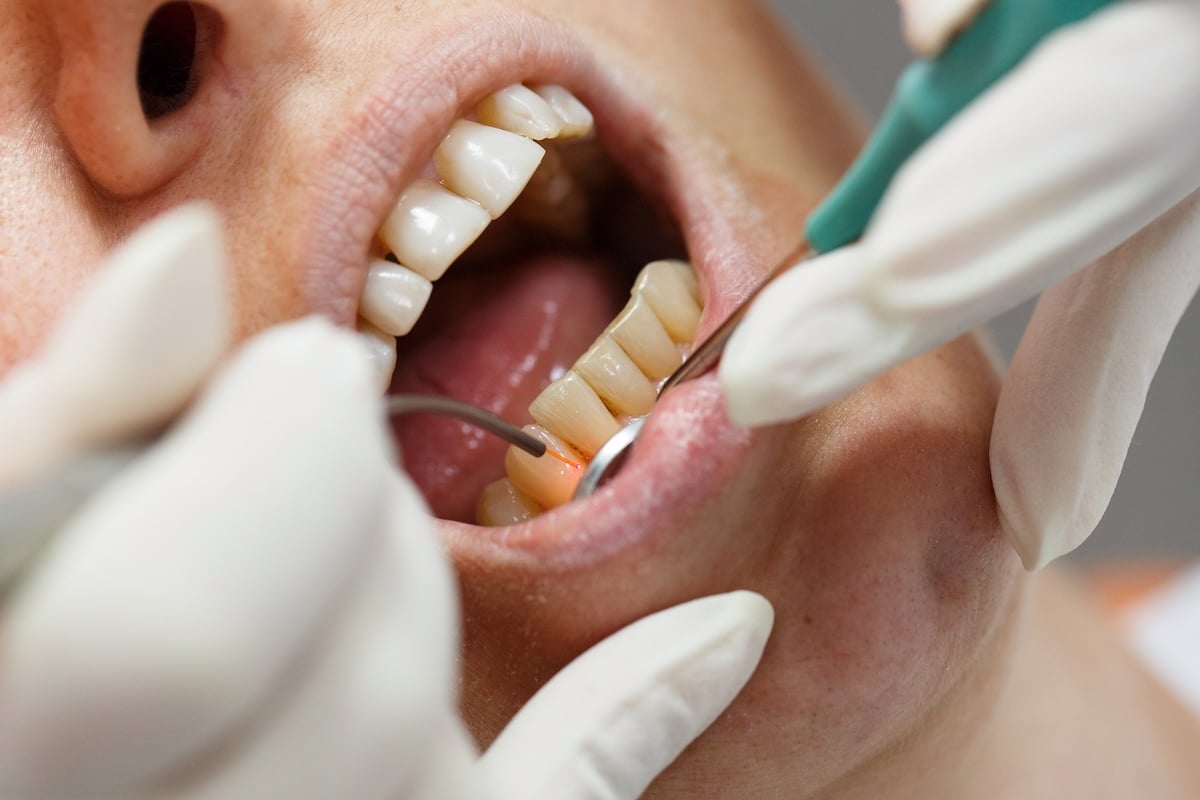
Traditional deep cleaning may involve scraping sensations and local numbing for comfort. Laser treatment may feel different, often described as less invasive, but numbing is still sometimes required.
- Traditional: Manual instrumentation may cause temporary sensitivity.
- Laser: May reduce discomfort in certain cases.
After the Procedure
Recovery varies depending on disease severity and individual healing response.
- Laser cleaning: May result in less post-treatment swelling.
- Traditional cleaning: Mild soreness may occur for a few days.
Cost Considerations
Laser technology requires specialized equipment and training, which may influence cost. Traditional scaling and root planing is widely available and often covered by insurance when medically necessary.
- Traditional: Typically more widely covered by insurance.
- Laser: May involve additional fees depending on provider.
Cost alone should not determine treatment choice. Effectiveness and long-term outcomes are more important considerations.
When Is Laser Gum Cleaning Recommended?
Laser treatment may be discussed in cases where precision is important or when patients prefer a minimally invasive approach. However, not all gum disease cases require laser technology.
Professional evaluation determines whether laser-assisted therapy is appropriate or whether traditional methods provide sufficient results.
When Is Traditional Cleaning Sufficient?
Traditional scaling and root planing remains the gold standard for many cases of periodontal disease. It is highly effective when performed thoroughly and followed by good oral hygiene and maintenance care.
In many situations, consistent follow-up care plays a larger role in success than the specific method used.
Long-Term Maintenance Matters Most
Regardless of the treatment method, long-term success depends on ongoing care. Gum disease is a chronic condition that requires maintenance to prevent recurrence.
- Regular cleanings: Help control plaque buildup.
- Daily oral hygiene: Brushing and flossing remain essential.
- Monitoring: Routine evaluations track gum health over time.
Is One Option Clearly Better?
There is no universal answer to whether laser gum cleaning is more effective than traditional methods. Each approach has strengths, and both can be effective when used appropriately.
For some patients, laser-assisted treatment may offer additional benefits. For others, traditional scaling provides excellent results without added technology.

Making an Informed Decision
When evaluating gum treatment options, the most important factor is receiving an accurate diagnosis and professional recommendation. The severity of gum disease, medical history, and long-term oral health goals all influence the best course of action.
Understanding the differences between laser gum cleaning and traditional treatment empowers you to ask informed questions and participate actively in your care decisions.
Learn More About Protecting Your Gum Health
Gum health plays a critical role in overall oral wellness. Whether considering advanced technology or traditional approaches, informed choices lead to better outcomes.
If you have questions about gum health or want to better understand your treatment options, reach out to Wayzata Dental to learn more. Staying proactive helps protect your smile for years to come.
