






Laser gum surgery is a modern, minimally invasive treatment used to manage gum disease, reshape gumlines, and enhance overall oral health. If you’ve been told you need periodontal therapy or are considering gum contouring, laser dentistry offers a precise and comfortable alternative to traditional surgery.
- Gentle and effective: Laser treatment minimizes bleeding, swelling, and discomfort.
- Faster recovery: Patients typically heal more quickly than with conventional methods.
- Versatile applications: Used for gum disease treatment, gum lifts, and infection control.
Let’s walk through what laser gum surgery involves, what benefits it offers, and exactly what you can expect before, during, and after the procedure.
🦷 What Is Laser Gum Surgery?
Laser gum surgery uses focused light energy to remove diseased tissue, eliminate harmful bacteria, and promote healing of the gums. Unlike traditional surgery with scalpels and stitches, laser dentistry is more precise and often more comfortable for patients.
Common Reasons for Laser Gum Surgery
Laser technology can be used to treat several types of gum and soft tissue issues:
- Periodontal disease: Removes infected tissue and bacteria while preserving healthy gums.
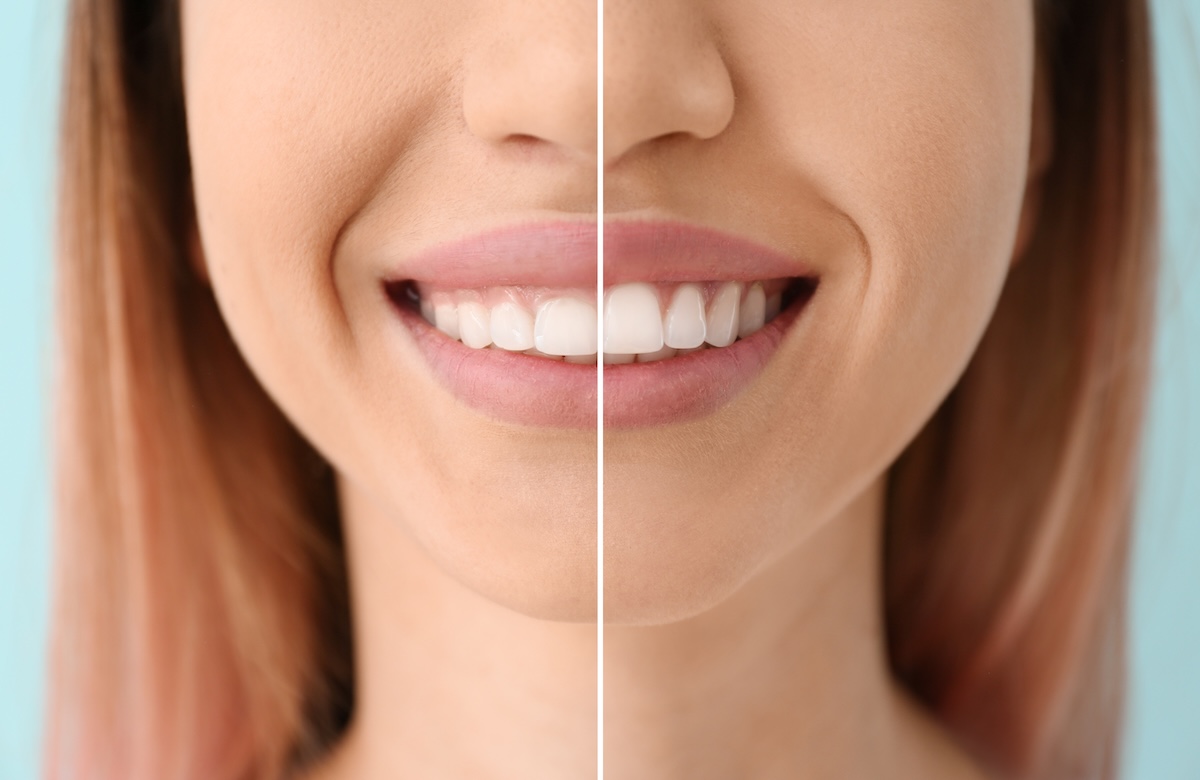
- Gum reshaping: Contours overgrown or uneven gumlines for cosmetic improvement.
- Gummy smile correction: Reduces excess gum tissue to reveal more of the teeth.
- Frenectomy: Releases a tight or thick frenum (often for tongue-tie or lip-tie correction).
- Pocket reduction: Shrinks deep pockets between teeth and gums to reduce bacteria buildup.
Laser treatments can often be completed in a single visit and are used alone or alongside deep cleanings (scaling and root planing) depending on the case.
⭐️ Benefits of Laser Gum Surgery
Laser technology offers several key advantages over traditional methods, making it a preferred option for many patients and dentists.

Minimally Invasive Procedure
Because lasers seal blood vessels and nerves as they work, there is often less trauma to the surrounding tissues.
- Reduced bleeding: Lasers cauterize as they cut, so there’s minimal bleeding during the procedure.
- No stitches needed: In most cases, there’s no need for sutures after surgery.
- Preserves more tissue: Healthy gum tissue is preserved, reducing long-term recession.
Less Pain and Faster Healing
Patients often report much less post-op discomfort compared to traditional surgery.
- Lower inflammation: The laser sterilizes the area and limits swelling.
- Quick recovery: Most people return to work or normal routines the next day.
- Fewer medications: Many patients only need over-the-counter pain relievers afterward.
Improved Outcomes for Gum Health
Laser therapy helps reduce bacteria while encouraging the gums to reattach to the tooth surface, promoting long-term periodontal stability.
- Deeper cleaning: Lasers target bacteria deep below the gumline.
- Regeneration support: Stimulates healing and may promote bone and tissue regrowth.
- Lower risk of reinfection: The sterilizing effect can reduce bacterial populations.
👉 What To Expect Before the Procedure
Preparation for laser gum surgery is typically straightforward. Your dentist will evaluate your oral health, take digital X-rays if needed, and discuss your symptoms or goals.
Consultation and Planning
- Periodontal exam: Measures gum pocket depth and checks for inflammation or bone loss.
- Treatment plan: Your provider will outline the areas that need attention and whether laser therapy will be used alone or with other procedures.
- Medical history review: Any underlying conditions or medications that affect healing will be discussed.
Pre-Op Instructions
- Brush and floss as usual: Good oral hygiene before surgery improves outcomes.
- Avoid smoking: Tobacco use can impair healing and increase risks.
- Eat before your appointment: You may prefer softer foods for the next day or two.
Many patients are surprised at how simple and relaxed the appointment feels—especially compared to expectations around traditional gum surgery.
✅ What Happens During Laser Gum Surgery?
The procedure is typically done in-office and may take 30 to 90 minutes depending on the number of teeth being treated.
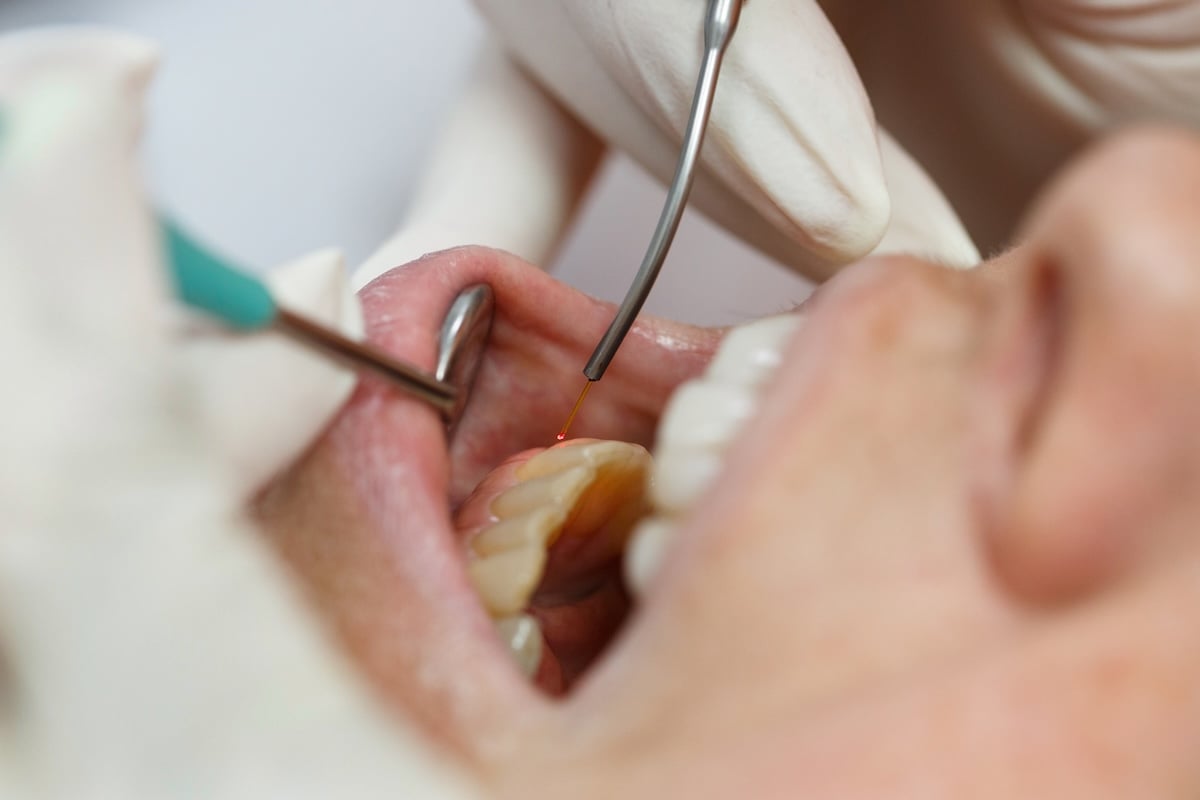
Step-by-Step Overview
- Local anesthesia: The area is numbed to ensure comfort—no general anesthesia is needed.
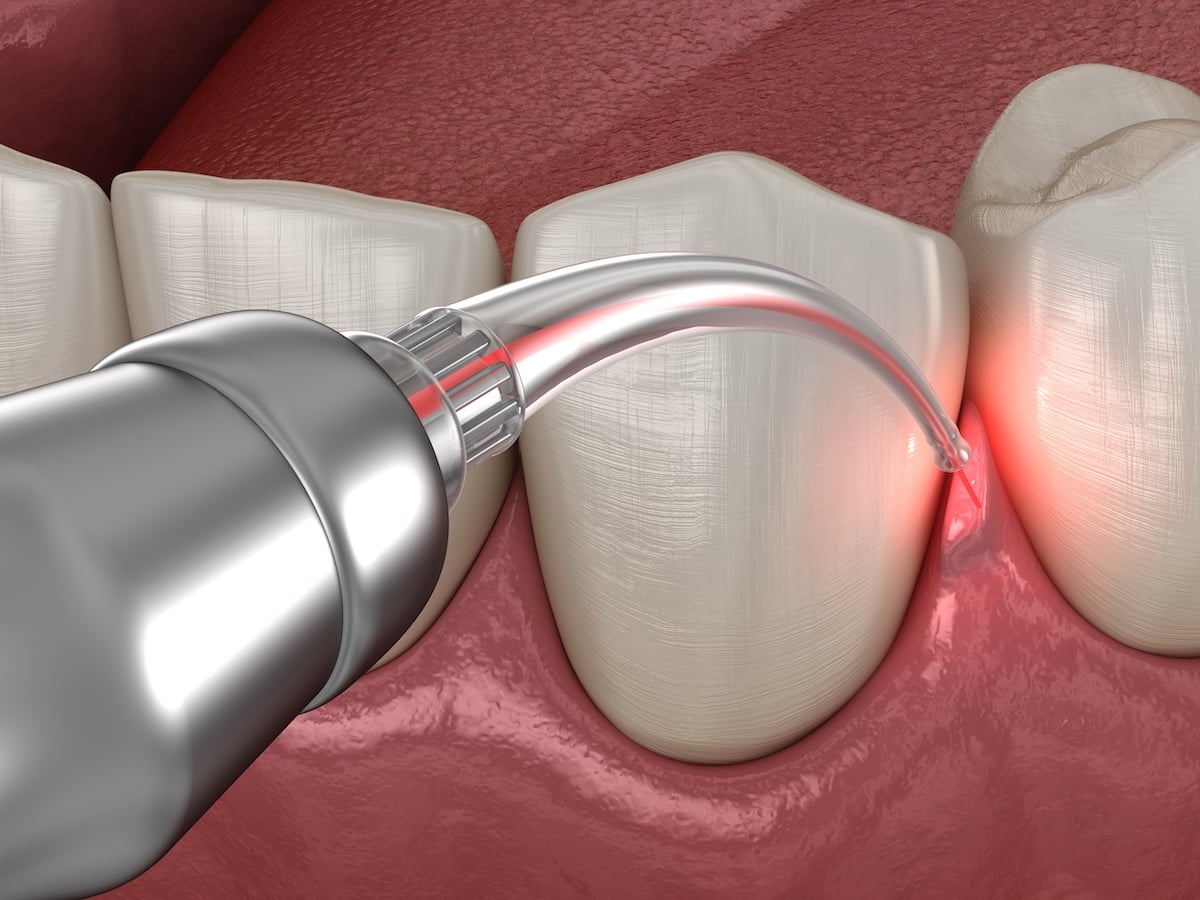
- Laser application: A thin fiber-optic tip is gently inserted between the gums and teeth.
- Tissue removal and cleaning: Diseased tissue is removed, bacteria are vaporized, and tartar is loosened.
- Healing stimulation: The laser is used to seal the area and promote reattachment of healthy tissue.
- Post-op review: Your dentist will check the treated area and give you detailed care instructions.
You’ll be awake the entire time and should feel minimal discomfort. Most patients describe it as easier and quicker than expected.
📋 What To Expect After Laser Gum Surgery
While every patient heals at a different pace, laser gum surgery recovery is usually mild and straightforward.
First 24–48 Hours
Some tenderness or swelling may occur, but most patients resume regular activity the next day.
- Mild soreness: Easily managed with ibuprofen or acetaminophen.
- Soft food diet: Stick to soups, smoothies, and soft items while your gums begin to heal.
- Avoid brushing the area: Your dentist may recommend using a gentle rinse instead of direct brushing for a few days.
3–7 Days
Your gums may appear slightly red or swollen as they heal, but pain should steadily decrease.
- Improved comfort: Many patients report less sensitivity than they had before treatment.
- Early healing: Gum tissue starts to reattach and inflammation fades.
- Return to normal habits: Most patients resume brushing gently around the area by the end of the week.
Long-Term Healing
Full healing can take a few weeks depending on the severity of gum disease and how many areas were treated.
- Follow-up appointments: Your dentist may check your progress and adjust oral care if needed.
- Continued hygiene: Good brushing, flossing, and professional cleanings help prevent disease recurrence.
- Gum health improvements: As healing progresses, gum pockets should shrink and stability should improve.
👍 Is Laser Gum Surgery Right for You?
Laser gum surgery is ideal for many patients, but every situation is unique. It may be recommended if:
- You have moderate to severe gum disease
- You want a gentler alternative to traditional surgery
- You need gum reshaping for cosmetic or functional reasons
- You’ve had gum surgery in the past and want a less invasive option now
Some patients with very deep pockets or significant bone loss may still require additional periodontal therapies. Your dentist will determine the most effective plan for your specific needs.
⭐️ Comfortable, Modern Care Starts at Wayzata Dental
Laser gum surgery offers a precise, comfortable, and effective solution for patients seeking gum disease treatment or aesthetic improvement. At Wayzata Dental, we use advanced laser technology to deliver great results with less discomfort and faster healing. Whether you’re managing periodontal disease or refining your gumline, our team will guide you through every step with care and expertise.
Ready to improve your gum health the modern way? Contact Wayzata Dental today to schedule a consultation and find out if laser gum surgery is right for you.
