






Laser teeth cleaning is a modern alternative to traditional dental cleanings, offering a more comfortable and precise approach to removing plaque, tartar, and harmful bacteria. While traditional scaling and root planing is still widely used, many patients are now asking whether laser cleanings are a better choice.
- Advanced technology: Laser cleaning targets problem areas with minimal discomfort.
- Faster healing: Laser therapy reduces inflammation and speeds up tissue recovery.
- Effective for gum disease: Especially helpful for patients with periodontal issues.
In this blog, we’ll compare laser teeth cleaning vs traditional methods, explore the benefits and potential risks, and help you decide which option may be right for your smile.
✨ What Is Laser Teeth Cleaning?
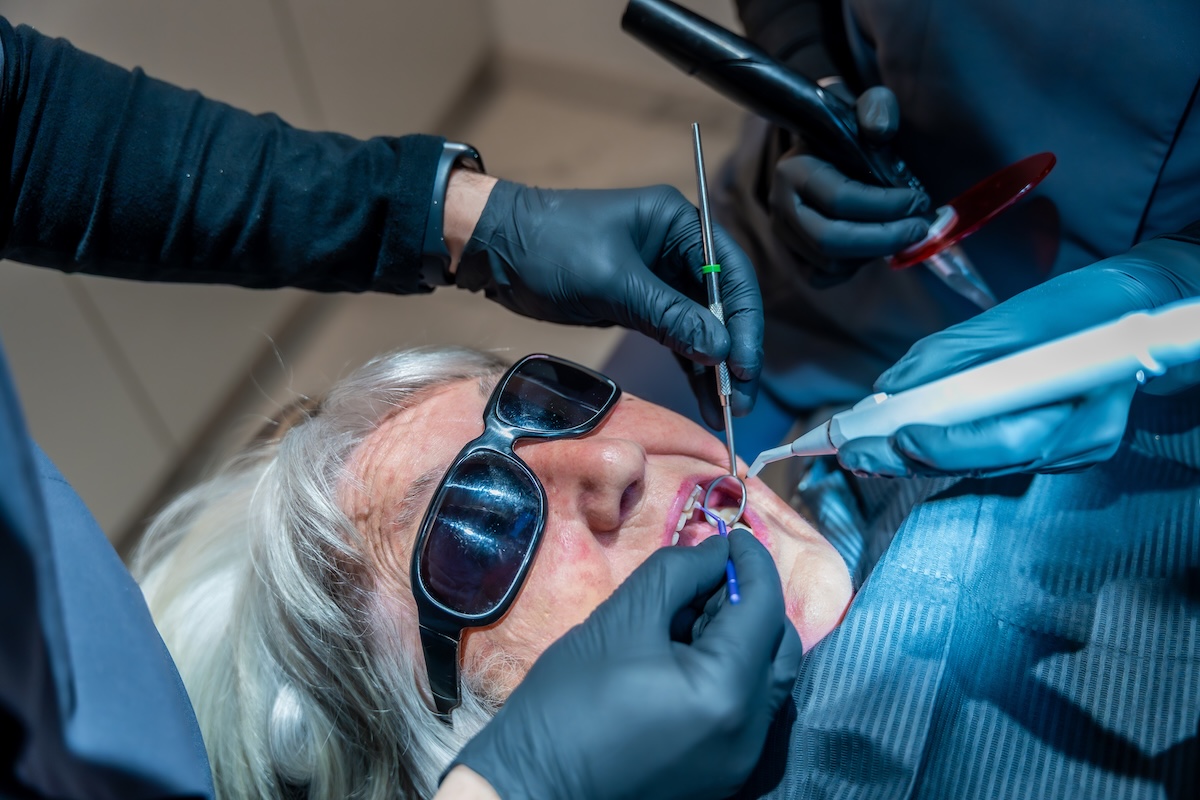
Laser teeth cleaning uses focused light energy to remove plaque and bacteria from below the gumline without using metal scraping tools. It’s often used as part of periodontal therapy but is becoming more common for preventive care as well.
How It Works
A dental laser targets infected tissue and hardened buildup, sterilizing the area while minimizing damage to healthy gums. It can also seal off blood vessels and nerves, reducing post-treatment discomfort.
- Precision treatment: The laser only affects diseased or infected tissue.
- Minimal bleeding: Blood vessels are sealed as the laser works.
- Enhanced comfort: No scraping or pulling on the gums.
🪥 What Is Traditional Teeth Cleaning?
Traditional dental cleaning involves manual tools (scalers and curettes) and ultrasonic devices to remove plaque and tartar from the teeth and below the gumline.
How It Works
Your hygienist uses handheld instruments to scrape away buildup and polish the tooth surface. For patients with gum disease, a deeper cleaning—called scaling and root planing—may be recommended to remove bacteria beneath the gumline.

- Manual precision: Hygienists target buildup with visual inspection and touch.
- Ultrasonic tools: Vibrating instruments break up larger deposits of tartar.
- Polishing: A gritty paste smooths the surface and removes surface stains.
⭐️ 5 Key Differences Between Laser and Traditional Cleanings
Let’s break down the most important differences when comparing laser teeth cleaning vs traditional methods.
- Comfort Level
- Laser Cleaning: Typically causes less discomfort and doesn’t involve scraping.
- Traditional Cleaning: Can feel more invasive, especially for patients with sensitive gums.
- Bleeding and Swelling
- Laser Cleaning: Minimizes bleeding and inflammation due to the sealing effect of the laser.
- Traditional Cleaning: May cause mild bleeding, especially during deep cleanings.
- Recovery Time
- Laser Cleaning: Faster healing thanks to reduced tissue trauma.
- Traditional Cleaning: Healing may take longer if deep scaling is required.
- Effectiveness Against Gum Disease
- Laser Cleaning: Highly effective for treating periodontal pockets and sterilizing the area.
- Traditional Cleaning: Can be effective but may not remove as much bacteria below the surface.
- Cost and Availability
- Laser Cleaning: Often more expensive and not available at all dental offices.
- Traditional Cleaning: Widely available and usually covered by insurance.
✅ Benefits of Laser Teeth Cleaning
Laser cleanings offer several advantages, especially for patients with periodontal issues or those who are nervous about traditional methods.
Minimally Invasive
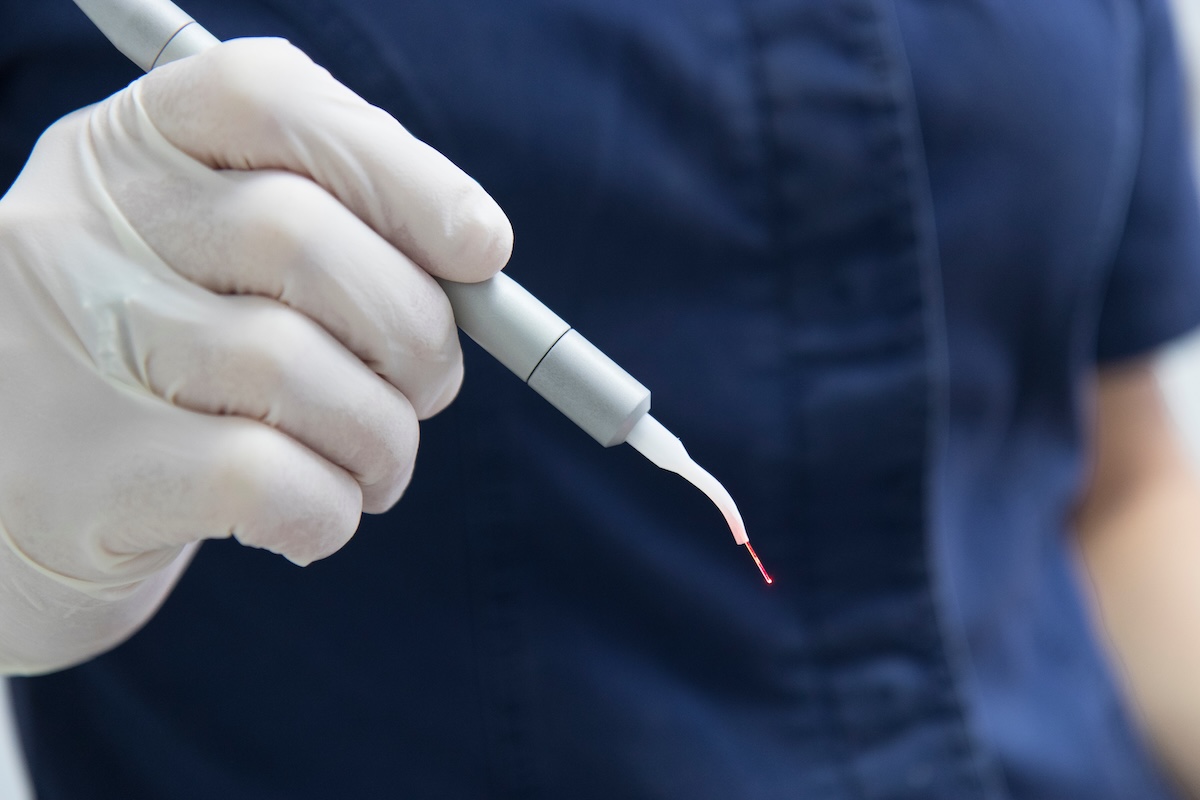
Lasers offer a gentler approach by eliminating the need for metal instruments in sensitive areas.
- No scraping sounds: Makes the experience less anxiety-inducing.
- Less gum recession: Tissue is preserved more effectively.
- Reduced trauma: Minimizes damage to healthy tissues.
Enhanced Precision
Lasers are highly targeted, allowing your dentist or hygienist to treat only affected areas without harming surrounding structures.
- Better accuracy: Ideal for deep gum pockets.
- Targeted bacteria removal: Promotes a cleaner, healthier mouth.
- Customizable settings: Lasers can be adjusted for different tissue types.
Faster Healing
Patients often recover more quickly and experience fewer post-treatment symptoms.
- Minimal swelling: Thanks to reduced inflammation.
- Shorter downtime: You can return to regular activities faster.
- Lower infection risk: Lasers sterilize as they work.
❗️ Risks or Limitations of Laser Cleanings
While laser cleaning is generally safe, it may not be the best choice for everyone.
Higher Cost
- Out-of-pocket expenses: Laser treatments may not be fully covered by insurance.
- Specialized equipment: Not all dental offices offer this technology.
Not Always Necessary
- Mild cases: Patients with healthy gums or minor buildup may not benefit significantly from laser treatment.
- Standard cleanings still work well: Traditional cleanings remain highly effective for routine maintenance.
Learning Curve and Training
- Experienced provider required: Laser tools require specific training and skill.
- Inconsistent outcomes: Results can vary based on the provider’s experience.
🤔 Who Should Consider Laser Teeth Cleaning?
Laser dental cleanings are especially beneficial for patients with certain oral health conditions or treatment goals.
Ideal Candidates
- Gum disease: Patients with periodontal pockets, bleeding gums, or bone loss.
- Dental anxiety: Those who are nervous about scraping and discomfort.
- Sensitive teeth: Individuals prone to post-cleaning sensitivity.
- Medical considerations: People with bleeding disorders or those taking blood thinners.
Your dentist will assess your gums, overall oral health, and risk factors to determine if laser cleaning is a good fit.
📋 What To Expect During and After a Laser Cleaning
If you’re scheduled for laser teeth cleaning, knowing what to expect can help ease anxiety and improve outcomes.
During the Procedure
- Local numbing: May be used if deep cleaning is necessary.
- No scraping: A thin laser fiber or handpiece is used to gently treat the gums.
- Minimal sensation: You may feel warmth or mild tingling, but most patients remain comfortable.
After the Procedure
- Little to no bleeding: The laser seals tissues during treatment.
- Slight tenderness: Any discomfort typically fades within 24 hours.
- Soft diet for a day: Avoid hard or crunchy foods immediately afterward.
- Improved breath and comfort: As bacteria are removed, your mouth will feel fresher and healthier.

👉 Is Laser Teeth Cleaning Better Than Traditional?
Both laser and traditional dental cleanings are effective—the best choice depends on your specific needs and oral health.
When to Choose Laser Cleaning
- You have moderate to severe gum disease
- You experience sensitivity with traditional scaling
- You want a gentler, faster recovery
- You’ve had unsuccessful periodontal treatment in the past
When to Stick With Traditional Cleaning
- Your teeth and gums are generally healthy
- You’re getting a standard preventive cleaning
- You’re not ready to invest in laser treatment
- Your insurance only covers traditional methods
Talk with your dental provider to weigh the pros and cons based on your oral health goals.
🦷 Choose the Cleaning That’s Right for You
Whether you’re managing gum disease or just want a more comfortable cleaning experience, understanding laser teeth cleaning vs traditional methods can help you make an informed decision. At Wayzata Dental, we offer both options and guide you toward the best solution for your long-term health and comfort.
Interested in trying laser teeth cleaning or want to know if it’s right for you? Schedule a visit with Wayzata Dental today and get the personalized care your smile deserves.
