






If you are dealing with a periodontal abscess, understanding its causes, symptoms, and treatment options can help you seek care before the infection becomes more serious. A periodontal abscess is a localized bacterial infection that develops in the gum tissue surrounding a tooth. Unlike an abscess that forms inside the tooth, a periodontal abscess affects the supporting structures of the teeth and requires prompt professional evaluation.
- Serious gum infection: A periodontal abscess develops in the tissues surrounding a tooth.
- Early treatment matters: Prompt care helps prevent the infection from spreading.
- Home care has limits: Temporary relief is possible, but professional treatment is necessary.
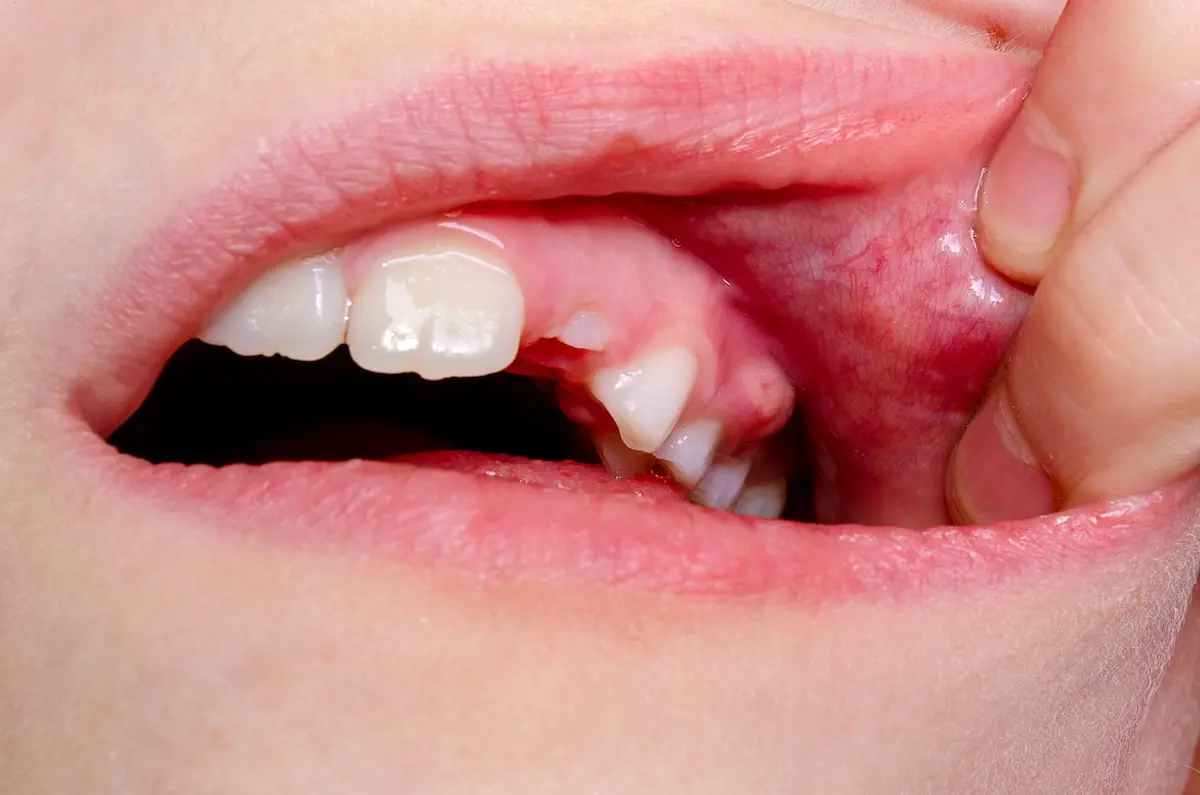
What Is a Periodontal Abscess?
A periodontal abscess is a pocket of pus caused by a bacterial infection within the gums or the periodontal tissues that support the teeth. These infections often occur when bacteria become trapped beneath the gumline, particularly in deep periodontal pockets created by gum disease.
As bacteria multiply, the body’s immune system responds by sending white blood cells to the area. This response creates pus, swelling, and pressure, which can become increasingly painful if the infection is not treated.
- Localized infection: Usually affects one area of the gums.
- Bacterial buildup: Commonly develops beneath the gumline.
- Pressure buildup: Pus accumulation often causes significant discomfort.
How Does a Periodontal Abscess Differ From a Tooth Abscess?
Although both conditions involve infection, they develop in different parts of the mouth and often require different treatments. Understanding the distinction helps explain why professional diagnosis is so important.
| Feature | Periodontal Abscess | Tooth (Periapical) Abscess |
| Location | Gum tissue surrounding the tooth | Inside the tooth root |
| Primary Cause | Gum disease or trapped bacteria | Deep decay or injured pulp |
| Affected Tissue | Gums and supporting structures | Dental pulp and root |
| Common Symptoms | Gum swelling, tenderness, drainage | Severe toothache, swelling, sensitivity |
| Typical Treatment | Drainage and periodontal care | Root canal or extraction |
5 Common Causes of a Periodontal Abscess
Several conditions can create an environment where bacteria become trapped beneath the gums. Identifying the underlying cause helps guide treatment and reduce the risk of future infections.
1. Advanced Gum Disease
Periodontal disease is the leading cause of periodontal abscesses. As gum disease progresses, deep pockets form around the teeth, creating spaces where bacteria can accumulate.

- Deep gum pockets: Trap plaque and bacteria.
- Inflammation: Weakens surrounding gum tissue.
- Higher infection risk: Untreated gum disease increases complications.
2. Food or Foreign Objects Trapped Below the Gumline
Occasionally, food particles or debris become lodged beneath the gums and cannot be removed through normal brushing or flossing. Bacteria may then multiply around the trapped material.
- Food impaction: Creates an ideal environment for bacteria.
- Localized irritation: Triggers inflammation.
- Abscess formation: Can occur if bacteria continue multiplying.
3. Poor Oral Hygiene
When plaque is not removed consistently, it hardens into tartar and allows bacteria to accumulate along and below the gumline.
Poor oral hygiene alone does not always cause an abscess, but it significantly increases the likelihood of developing one, particularly in patients with existing gum disease.
4. Dental Trauma
A cracked tooth, injury, or damage to the surrounding gums may create an entry point for bacteria. Trauma can also affect the tissues supporting the tooth, making infection more likely.
- Cracks near the gumline: Allow bacterial entry.
- Soft tissue injury: Creates opportunities for infection.
- Delayed treatment: May increase complication risk.
5. Weakened Immune System
Certain medical conditions or medications can reduce the body’s ability to fight infection, increasing the risk of developing periodontal abscesses.
- Diabetes: May slow healing.
- Immune disorders: Can increase infection risk.
- Certain medications: May affect gum health.
Symptoms of a Periodontal Abscess
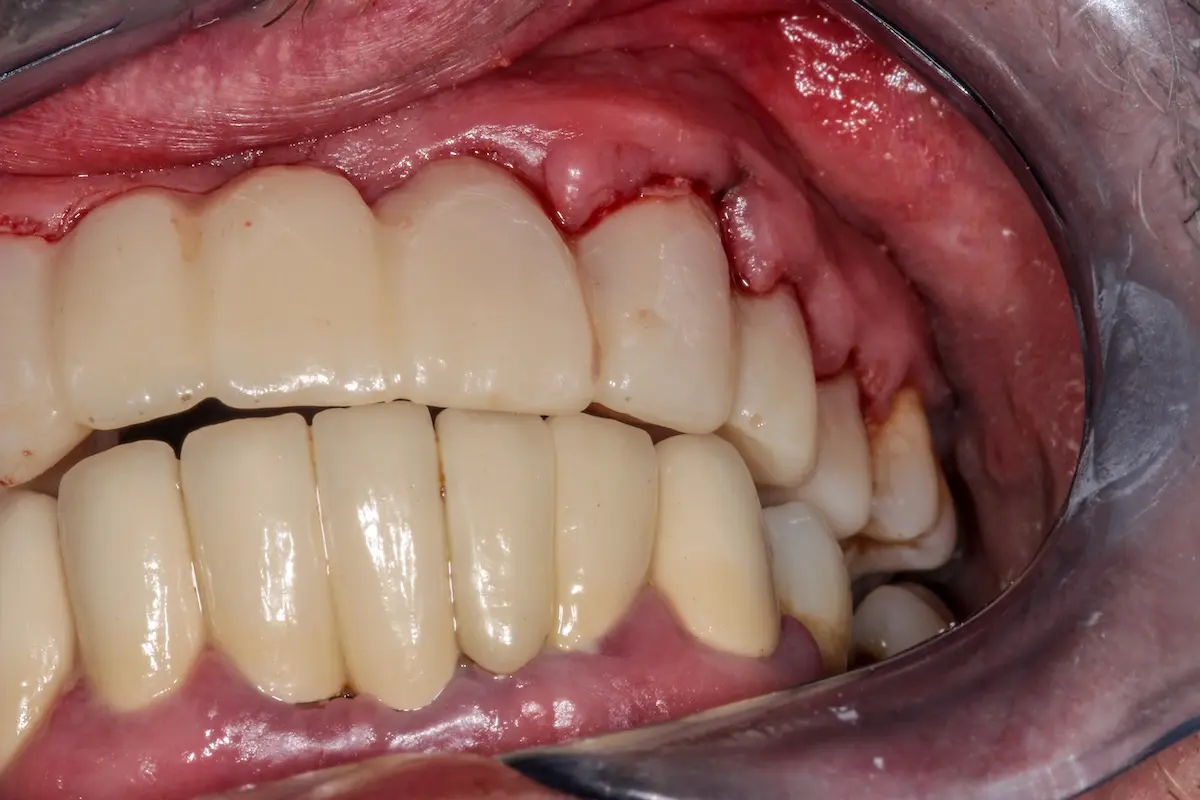
Symptoms often develop suddenly and may worsen quickly if the infection continues to spread. While pain is common, some abscesses primarily cause swelling or pressure.
Common Warning Signs
- Swollen gums: Usually near a single tooth.
- Throbbing pain: May worsen when chewing.
- Tenderness: Especially around the affected area.
- Pus drainage: May produce an unpleasant taste.
- Persistent bad breath: Often accompanies infection.
How Is a Periodontal Abscess Diagnosed?
A dentist typically diagnoses a periodontal abscess through a clinical examination and dental X-rays. The examination helps identify swelling, drainage, and periodontal pocket depth, while imaging evaluates the surrounding bone and supporting structures.
Because several dental conditions can produce similar symptoms, a professional diagnosis is important to determine whether the infection originates in the gums, the tooth, or both.
- Visual examination: Evaluates swelling and gum condition.
- Periodontal measurements: Assess gum pocket depth.
- Digital X-rays: Detect bone loss and rule out other infections.
Treatment Options for a Periodontal Abscess
Treatment focuses on eliminating the infection, relieving pressure, and addressing the underlying cause to reduce the likelihood of recurrence.
Draining the Abscess
The first priority is often draining the accumulated pus to relieve pressure and reduce discomfort. This allows the infected area to begin healing.
Deep Cleaning
Scaling and root planing may be recommended to remove plaque, tartar, and bacteria from below the gumline.
Antibiotics
In some situations, antibiotics may be prescribed if the infection has spread or if additional support is needed. Antibiotics are typically used alongside dental treatment rather than as a replacement for it.
Additional Treatment
If the infection is associated with advanced periodontal disease or significant damage, additional periodontal procedures or other dental treatment may be recommended.
- Drainage: Relieves pressure and discomfort.
- Deep cleaning: Removes bacteria beneath the gums.
- Antibiotics: May be prescribed when appropriate.
- Follow-up care: Helps monitor healing.
Can You Treat a Periodontal Abscess at Home?
Home remedies cannot eliminate a periodontal abscess because they do not remove the source of the infection. However, certain measures may provide temporary comfort while you arrange professional care.
- Warm saltwater rinses: May soothe irritated tissue.
- Cold compresses: Help reduce swelling.
- Over-the-counter pain relievers: May temporarily manage discomfort.
- Maintain gentle oral hygiene: Keep the surrounding area as clean as possible.
These methods should only be considered temporary measures until you can receive professional evaluation.

When to Seek Immediate Dental Care
Some symptoms suggest the infection may be spreading and should be evaluated promptly.
- Rapid facial swelling: Especially around the jaw or cheek.
- Difficulty swallowing or breathing: Requires immediate medical attention.
- Persistent fever: May indicate spreading infection.
- Severe pain: That continues to worsen despite home care.
Preventing Future Periodontal Abscesses
The best way to reduce the risk of periodontal abscesses is by maintaining healthy gums and addressing gum disease early. Consistent oral hygiene and routine dental visits help remove plaque before it leads to deeper infection.
- Brush twice daily: Remove plaque from teeth and gumline.
- Floss every day: Clean areas between teeth.
- Attend routine dental visits: Monitor gum health regularly.
- Treat gum disease early: Prevent deeper periodontal pockets from forming.
Protecting Your Gum Health
A periodontal abscess is a serious infection that should never be ignored. While temporary measures may reduce discomfort, professional treatment is necessary to eliminate the infection and protect the surrounding teeth and gums.
Recognizing symptoms early and seeking prompt care can help preserve your oral health and reduce the likelihood of more extensive treatment later.
Learn More About Periodontal Health
Healthy gums are essential for maintaining a healthy smile. Understanding the causes, symptoms, and treatment options for a periodontal abscess allows you to recognize potential problems before they become more serious.
If you have questions about gum infections or want to learn more about protecting your periodontal health, reach out to Wayzata Dental to learn more. Early evaluation is one of the best ways to protect your smile and long-term oral health.
