






If you are exploring cosmetic smile options, you may be wondering whether removable veneers are worth considering in 2026. These non-permanent devices are often marketed as a fast and affordable way to improve appearance, but they come with meaningful limitations. Understanding what removable veneers can and cannot do helps set realistic expectations before making a decision.
- Temporary cosmetic solution: Designed for appearance only, not function
- Non-permanent approach: No enamel removal or bonding involved
- Expectation-sensitive option: Results vary widely based on fit and use
What Are Removable Veneers?
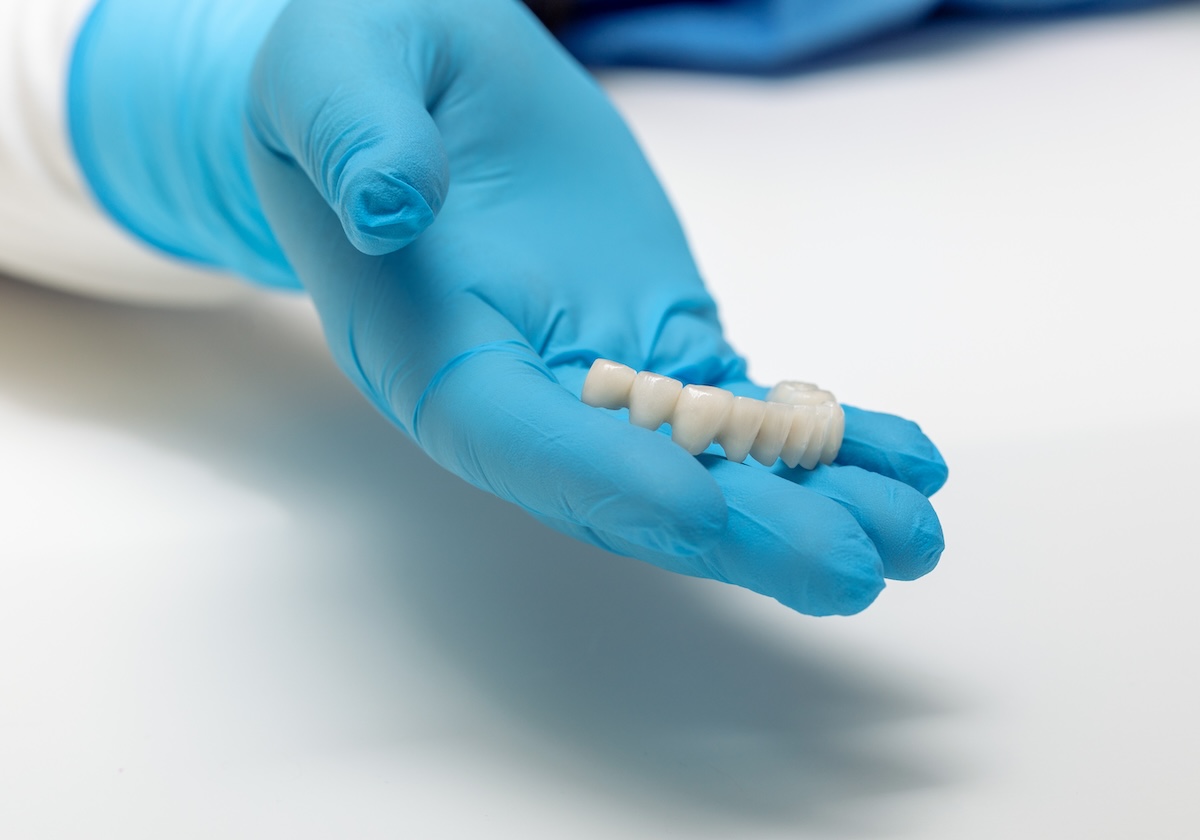
Removable veneers, sometimes called snap-on veneers, are cosmetic shells that fit over natural teeth without being permanently attached. They are intended to mask cosmetic imperfections rather than address structural or health-related dental concerns. Because they are removable, they can be taken in and out as needed.
Unlike traditional veneers, removable veneers do not alter the tooth surface. This makes them appealing to people who want a reversible option, but it also limits how natural and functional they feel during daily use.
How Removable Veneers Work
Removable veneers rely on molded fit, internal contours, or light suction to stay in place. They sit over the teeth rather than replacing or reshaping them, which means their effectiveness depends heavily on fit quality.
Because they rest on top of existing teeth, removable veneers do not correct alignment, bite issues, or underlying dental conditions. They function as a cosmetic overlay only while being worn.
Why People Consider Removable Veneers
People explore removable veneers for different reasons, often related to appearance, budget, or hesitancy around permanent dental work.
Cosmetic Appearance Concerns
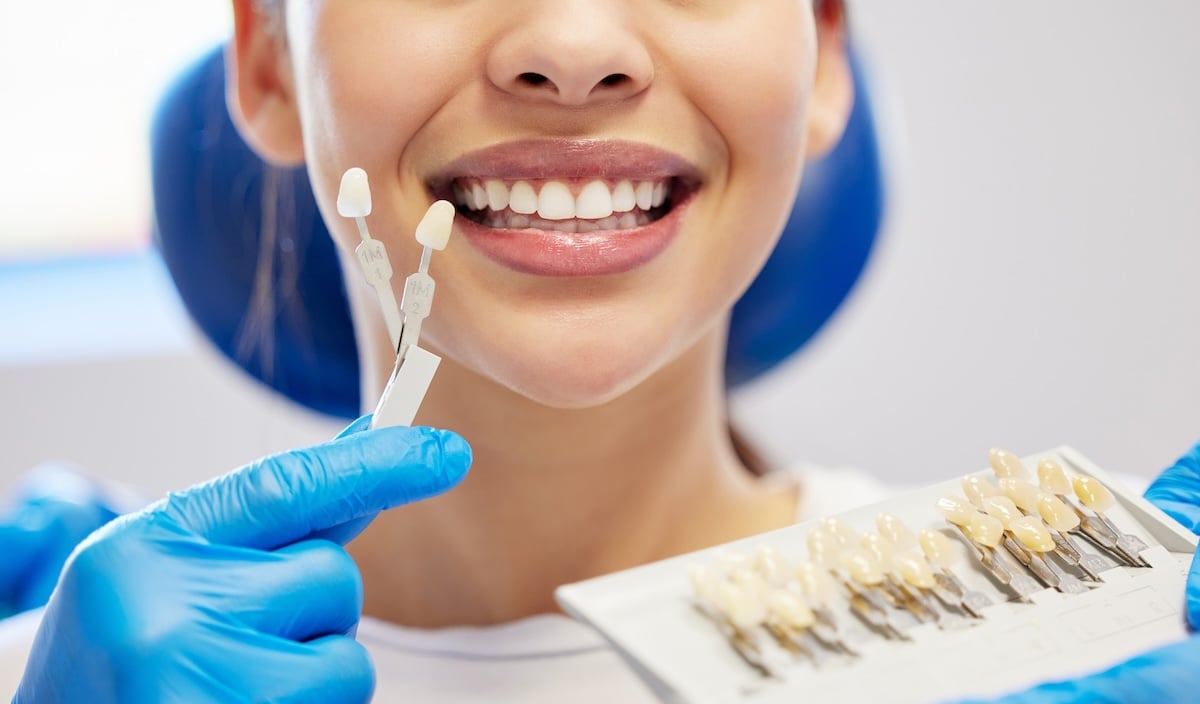
Some individuals want to temporarily improve the look of their smile for specific situations without committing to long-term cosmetic dentistry.
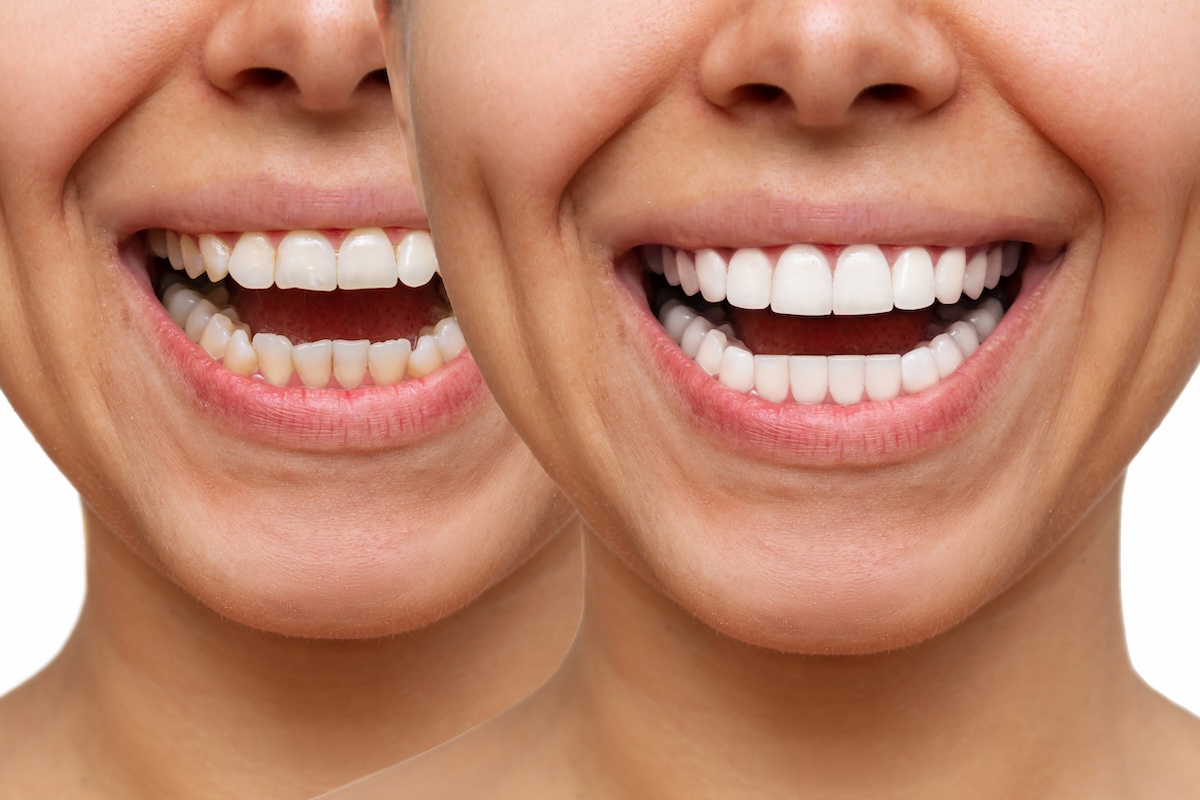
- Discoloration coverage: Masks stains or uneven tooth color
- Minor imperfections: Covers chips, small gaps, or uneven edges
- Event-driven use: Often worn for photos or special occasions
Budget and Commitment Considerations
Cost and permanence are major factors when comparing cosmetic options.
- Lower upfront cost: Often less expensive initially than permanent veneers
- No permanent alteration: Teeth remain unchanged
- Lower commitment: No long-term dental procedure involved
Pros of Removable Veneers
Removable veneers can offer benefits when used occasionally and with realistic expectations.
Appearance While Worn
When fit is acceptable, removable veneers can improve smile appearance during wear. The cosmetic change is immediate, but it disappears once the veneers are removed.
- Instant visual improvement: Teeth appear more uniform
- Cosmetic masking: Covers visible imperfections
- Short-term enhancement: Intended for limited wear
Non-Invasive Nature
One of the strongest advantages of removable veneers is that they do not involve permanent dental changes.
They do not require drilling, injections, or enamel removal, which can be appealing for individuals who want to avoid irreversible procedures.
Cons of Removable Veneers
Despite their appeal, removable veneers have several important drawbacks that affect comfort, usability, and long-term value.
Comfort and Fit Limitations
Because removable veneers sit on top of natural teeth, they often feel bulkier than permanent restorations. Even custom versions may not feel fully natural.
- Added thickness: Can feel awkward in the mouth
- Speech changes: Lisping may occur
- Gum irritation: Poor fit can cause soreness
Functional Restrictions
Most removable veneers are not designed for eating or all-day wear. Many manufacturers recommend removing them before meals.
This limits their practicality for daily use and makes them more suitable for short-term cosmetic situations.
Durability Concerns
Removable veneers are typically made from acrylic or resin materials that wear faster than porcelain.
- Shorter lifespan: Not intended for long-term use
- Staining risk: Materials discolor over time
- Replacement frequency: May need regular updates
Do Removable Veneers Affect Oral Health?
Removable veneers do not directly improve oral health, and in some cases, they can contribute to issues if worn improperly. Poorly fitting devices may trap plaque and bacteria against teeth and gums.
Maintaining excellent oral hygiene and continuing routine dental visits is especially important when using removable cosmetic devices.
Who Might Consider Removable Veneers?
Removable veneers may make sense in very specific situations.
- Occasional cosmetic use: Events or short appearances
- Temporary solution: While planning for permanent options
- Visual preview: To imagine a fuller or brighter smile
They are generally not ideal for individuals seeking long-term comfort, durability, or functional improvement.
Who Should Be Cautious?
Certain conditions increase the likelihood of discomfort or complications.
- Active gum disease: Risk of irritation and inflammation
- Untreated decay: Cosmetic coverage may delay care
- Bite or jaw issues: Added bulk can worsen discomfort
Removable Veneers vs Traditional Veneers
Removable veneers and traditional veneers serve very different purposes.
Traditional veneers are permanently bonded, fully customized, and designed to function like natural teeth. Removable veneers are temporary overlays meant only for cosmetic appearance during wear.
This distinction is important when evaluating comfort, longevity, and overall value.
Cost Considerations in 2026
Pricing varies widely depending on materials, customization, and manufacturing source. Lower-cost options often sacrifice fit and durability, while higher-end versions still lack the function of permanent restorations.
Over time, repeated replacements can increase total cost beyond initial expectations.
Making an Informed Decision
Whether removable veneers are worth it depends on personal goals, expectations, and intended use. For short-term cosmetic enhancement, they may offer limited value. For long-term smile improvement, permanent options typically provide better comfort, durability, and function.
Understanding these trade-offs helps prevent disappointment and protects oral health.
Learn More About Veneer Options
Removable veneers can provide a temporary cosmetic change, but they come with clear limitations. Being informed allows you to choose an option that aligns with both your goals and oral health needs.
If you would like to learn more about veneers or explore long-term cosmetic solutions, reach out to Wayzata Dental to learn more. Staying informed helps you make confident decisions about your smile in 2026 and beyond.
