






Root canal recovery time is one of the most common concerns for patients preparing for this restorative dental procedure. While the treatment itself relieves pain and saves your natural tooth, knowing what to expect afterward can make recovery smoother and less stressful.
- Recovery is usually quick: Most patients resume normal activities within 1–3 days.
- Aftercare matters: Good oral hygiene and proper rest can shorten healing time.
- Every case is different: Factors like infection severity and your health affect the timeline.
Let’s break down the full recovery process, what to expect, and how to make healing as fast and comfortable as possible.
🦷 What Happens During a Root Canal?
A root canal is a procedure used to treat infection or inflammation inside a tooth. It involves removing the damaged pulp tissue, cleaning the inner canals, and sealing the space to prevent further infection.
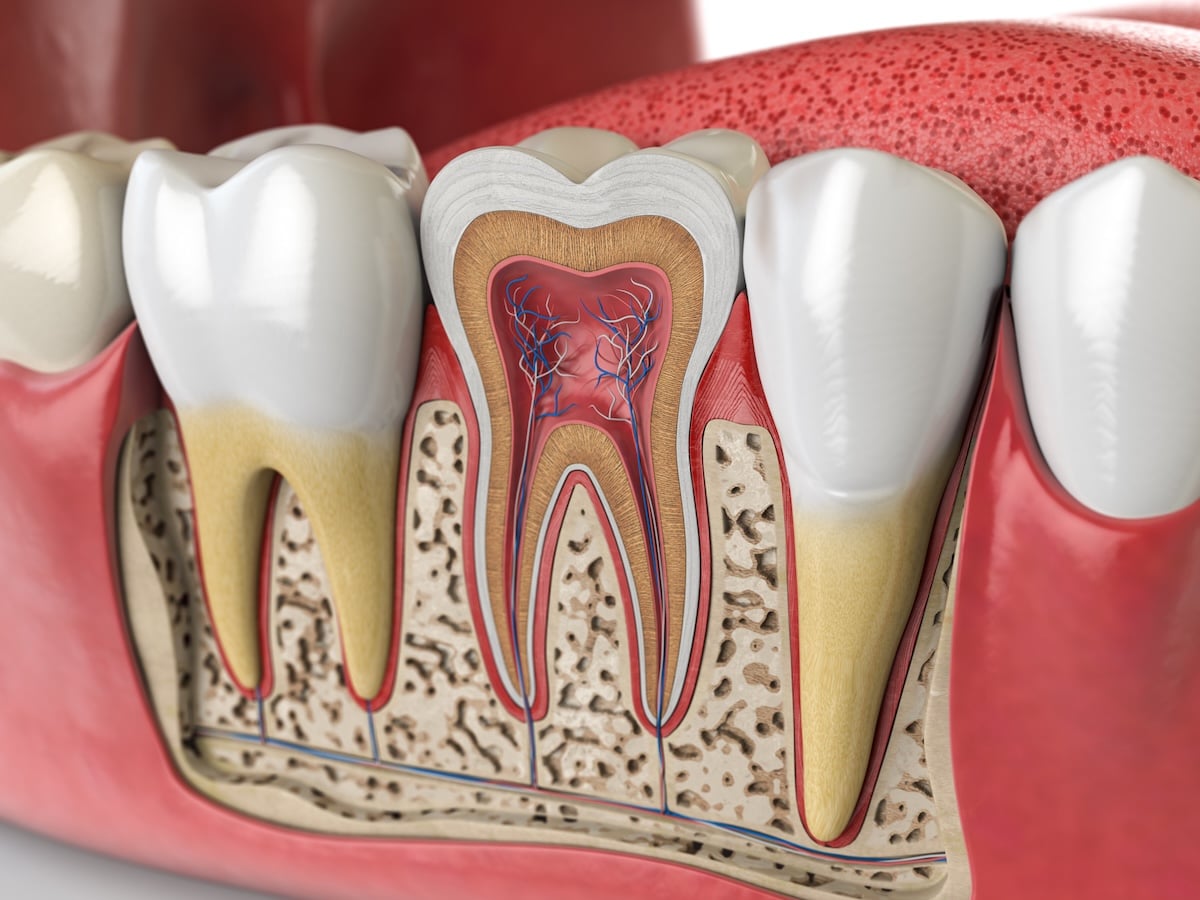
Why Root Canals Are Necessary
When tooth decay, trauma, or deep cavities reach the inner pulp, bacteria can cause infection, swelling, and intense pain. A root canal:
- Eliminates infection: Removes bacteria from inside the tooth.
- Relieves pain: Gets rid of inflammation in the nerve tissue.
- Saves your tooth: Prevents the need for extraction.
After a root canal, your tooth will likely need a crown to restore full strength and protect it from future damage.
🗓️ Typical Root Canal Recovery Timeline
Most patients recover from a root canal within a few days, but individual healing times can vary.

First 24–48 Hours
During the first couple of days, mild discomfort, sensitivity, or soreness is normal, especially around the treated area. Over-the-counter pain relievers are usually sufficient to manage symptoms.
- Inflammation: Your body needs time to heal the surrounding tissue.
- Jaw tenderness: Mild soreness may result from keeping your mouth open during the procedure.
- Eating adjustments: You may prefer soft foods and avoid chewing on the treated side.
3–7 Days Post-Treatment
Discomfort should steadily decrease each day. Most patients return to work or school the day after treatment but may need to avoid strenuous activity for a couple of days.
- Improving comfort: Swelling and tenderness should fade significantly.
- Resuming normal habits: You can begin chewing on the treated side again once tenderness subsides.
- Crown preparation: If you haven’t already received a permanent crown, your dentist may schedule it during this period.
After 1–2 Weeks
By this point, most or all symptoms should be resolved. If you experience prolonged discomfort or signs of infection, contact your dentist for evaluation.
👉 Factors That Affect Root Canal Recovery Time
Not everyone heals at the same pace. Several key factors influence how quickly and smoothly your recovery goes.

Severity of Infection
- More advanced infection: If the tooth was severely infected or abscessed, healing may take longer due to inflammation in surrounding tissues.
- Early intervention: Catching the issue early often leads to quicker recovery.
Number of Canals Treated
- Tooth complexity: Molars have more canals than front teeth, and additional canals require more extensive treatment.
- Longer procedures: More time in the chair can sometimes increase soreness or swelling afterward.
Your Overall Health
- Immune function: Healthy individuals tend to recover faster.
- Chronic conditions: Issues like diabetes or autoimmune diseases can slow down healing.
- Medications: Some medications may impact inflammation or immune response.
Type of Restoration Used
- Temporary fillings: If a temporary filling was placed, discomfort may persist until the permanent crown is installed.
- Final crown placement: Getting your crown quickly helps protect the tooth and stabilize your bite.
⭐️ 5 Tips to Speed Up Root Canal Recovery
A smooth recovery often comes down to how well you care for your tooth afterward. These tips can help reduce discomfort and prevent complications:
- Take Pain Medication as Directed:
- Over-the-counter options like ibuprofen help manage pain and inflammation.
- Your dentist may prescribe something stronger if the case was more complex.
- Stick to Soft Foods:
- Choose yogurt, soup, eggs, or mashed potatoes for the first few meals.
- Avoid crunchy or sticky foods that could damage a temporary filling.
- Avoid Chewing on the Treated Side:
- Give the area time to rest while healing.
- Once a crown is placed, chewing will feel more stable and comfortable.
- Maintain Good Oral Hygiene:
- Brush and floss gently but thoroughly to prevent infection.
- Avoid aggressive rinsing during the first 24 hours.
- Follow Up Promptly:
- Make sure to attend your crown appointment to complete treatment.
- Let your dentist know about any lingering symptoms after one week.
📞 When to Call Your Dentist
Although most root canals heal smoothly, complications are possible. Don’t hesitate to contact your dentist if you experience any of the following:
- Severe or increasing pain: Especially if it worsens after the third day.
- Swelling that doesn’t improve: May indicate an abscess or infection.
- Bite feels “off”: A high filling can create pressure and prolong discomfort.
- Fever or chills: Signs that infection may be spreading.
- Cracked or broken tooth: A temporary filling or weakened tooth may fracture if not protected by a crown.
Prompt attention can prevent small issues from turning into bigger problems.

❓ FAQs About Root Canal Recovery Time
Still have questions? Here are a few of the most common ones we hear from patients:
Is It Normal to Feel Pain After a Root Canal?
- Yes, mild soreness is normal and usually resolves within a few days. Pain should gradually improve, not worsen. If pain becomes sharp, persistent, or severe, contact your provider.
How Long Until I Can Eat Normally Again?
- You can eat soft foods once the numbness wears off, usually within a few hours. It’s best to wait until the permanent crown is placed before chewing hard or sticky foods on the treated side.
Will I Need Time Off Work?
- Most people return to work the next day. If your job is physically demanding or requires heavy lifting, your dentist may recommend resting for 24–48 hours.
Can a Root Canal Fail?
- While rare, root canals can fail if bacteria remain inside the canal or if the crown isn’t placed in time. In those cases, retreatment or extraction may be necessary.
🦷 Fast, Comfortable Healing Starts at Wayzata Dental
Root canal recovery time is typically short—especially when treatment is performed early and followed by proper aftercare. At Wayzata Dental, we take every step to ensure your experience is comfortable, your recovery is smooth, and your results are long-lasting. From expert care to custom crowns, we’re here to guide you through every phase of the process.
Need a root canal or follow-up care? Contact Wayzata Dental today to schedule your appointment and get back to a healthy, pain-free smile faster.
