






If you have ever asked yourself should I floss before or after brushing, you are not alone. This is one of the most common oral hygiene questions patients ask, and the answer can make a meaningful difference in how effectively you remove plaque and protect your gums. Understanding the purpose of each step and how they work together helps you get the most benefit from your daily routine.
- Order matters: The sequence of brushing and flossing affects plaque removal.
- Consistency is key: Daily habits matter more than perfection.
- Small changes add up: Minor adjustments can improve long-term oral health.
Why Brushing and Flossing Are Both Essential
Brushing and flossing serve different but complementary roles in oral hygiene. Brushing cleans the surfaces of your teeth, while flossing removes debris and plaque from areas a toothbrush cannot reach.
When plaque is left between teeth or along the gumline, it hardens into tartar and increases the risk of cavities and gum disease. Using both brushing and flossing together helps reduce bacteria buildup and supports healthier gums over time.

What Happens If You Only Brush?
Brushing alone removes plaque from the front, back, and chewing surfaces of teeth, but it does not clean effectively between teeth. These tight spaces are where bacteria often accumulate unnoticed.
Risks of Skipping Flossing
When flossing is skipped regularly, plaque remains trapped between teeth and under the gumline. Over time, this buildup can lead to inflammation, bleeding gums, cavities, and periodontal disease.
- Plaque buildup: Bacteria remain between teeth.
- Higher cavity risk: Especially between molars.
- Gum inflammation: Early signs include redness and bleeding.
What Happens If You Only Floss?
Flossing alone removes debris between teeth, but it does not adequately clean the broader tooth surfaces where plaque also collects. Toothbrush bristles are designed to disrupt bacteria across enamel and along the gumline.

Why Flossing Alone Is Not Enough
Flossing does not polish enamel or remove plaque from the chewing surfaces of teeth. Without brushing, bacteria can still accumulate and cause decay or staining.
- Limited surface cleaning: Only targets tight spaces.
- No enamel polishing: Plaque remains on exposed surfaces.
- Incomplete protection: Both steps are needed for full coverage.
Should You Floss Before or After Brushing?
Dental research and professional guidelines increasingly support flossing before brushing. This order helps loosen plaque and food particles first, allowing brushing to remove them more effectively.
Flossing before brushing also helps fluoride toothpaste reach between teeth more efficiently. When plaque is removed first, fluoride can better protect these vulnerable areas.
Benefits of Flossing Before Brushing
Flossing first prepares your mouth for more effective brushing. It clears the path for toothpaste to reach areas that matter most.
- Improved plaque removal: Loosens debris before brushing.
- Better fluoride contact: Toothpaste reaches between teeth more easily.
- Healthier gums: Reduces inflammation when done consistently.
Is Flossing After Brushing Ever Okay?
Flossing after brushing is still better than not flossing at all. If flossing after brushing helps you stay consistent, it is still a beneficial habit.
Some people prefer flossing at the end of their routine because it helps remove leftover debris or toothpaste residue. The most important factor is daily flossing, regardless of timing.
- Consistency matters most: Daily flossing is key.
- Personal preference: Choose the order you will maintain.
- Still effective: Both orders provide benefits when done properly.
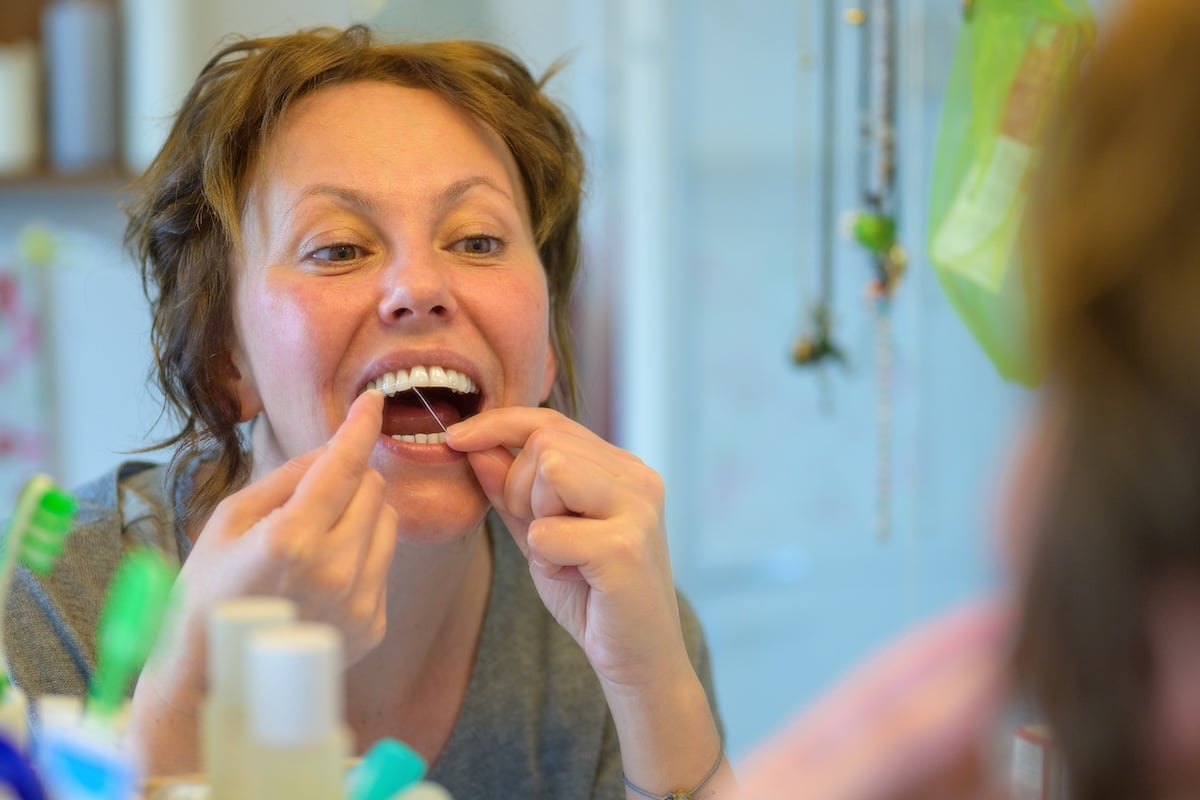
How to Floss Correctly for Best Results
Proper flossing technique is just as important as timing. Incorrect flossing can reduce effectiveness or irritate gums.
Step-by-Step Flossing Technique
- Use enough floss: About 18 inches wrapped around fingers.
- Gentle motion: Slide floss carefully between teeth.
- C-shaped curve: Wrap floss around each tooth.
- Below the gumline: Gently clean just under the gums.
- Clean floss sections: Use a fresh section for each tooth.
How to Brush After Flossing
Once flossing is complete, brushing helps remove loosened plaque and coats teeth with fluoride.
Proper Brushing Tips
- Brush for two minutes: Cover all tooth surfaces.
- Use a soft-bristled brush: Protect enamel and gums.
- Angle toward gums: Clean along the gumline.
- Spit, do not rinse immediately: Allow fluoride to remain longer.
3 Common Myths About Flossing Order
There are several misconceptions about flossing that can lead to confusion.
1. Myth: Brushing First Is Always Better
While brushing first is common, it does not remove plaque between teeth as effectively as flossing first.
2. Myth: Flossing Causes Gum Bleeding
Bleeding is often a sign of inflammation from plaque buildup. Regular flossing usually reduces bleeding over time.
3. Myth: Flossing Is Optional
Flossing is a critical part of oral hygiene, especially for preventing gum disease and cavities between teeth.
Special Considerations for Different Dental Needs
Some individuals may benefit from alternative interdental cleaning tools.
- Braces and Orthodontic Appliances: Floss threaders, water flossers, or orthodontic floss help clean around brackets and wires.
- Sensitive Gums: Gentle flossing and soft-bristled brushes reduce irritation. Consistency helps gums adapt.
- Dental Implants and Bridges: Special floss or interdental brushes help clean around restorations and prevent inflammation.
How Often Should You Floss?
Flossing once per day is generally sufficient for most people. The timing of flossing matters less than making it a daily habit.
Flossing at night is often recommended because it removes debris accumulated throughout the day and supports overnight oral health.

The Long-Term Benefits of Proper Flossing Habits
Consistent flossing reduces plaque buildup, supports gum health, and lowers the risk of cavities and periodontal disease. Over time, these habits contribute to fresher breath and better overall oral health.
Good flossing habits also make professional cleanings easier and more comfortable by reducing tartar buildup between visits.
Learn More About Improving Your Oral Hygiene Routine
Understanding should I floss before or after brushing helps you make small changes that can lead to better oral health outcomes. While flossing before brushing is generally recommended, the most important factor is maintaining a consistent routine that works for you.
If you have questions about flossing techniques, brushing habits, or your overall oral hygiene routine, reach out to Wayzata Dental to learn more. Staying informed and proactive is one of the best ways to protect your smile for the long term.
