






Understanding the signs of failed dental bone graft healing is important for protecting your oral health and recognizing when recovery may not be progressing as expected. Dental bone grafts are commonly used to rebuild or strengthen jawbone structure before procedures such as dental implants or after tooth loss. While most grafts heal successfully, complications can occasionally occur, making early detection especially important.
- Healing takes time: Bone graft recovery happens gradually over several months.
- Some symptoms are normal: Mild swelling and soreness are expected early on.
- Warning signs matter: Persistent or worsening symptoms may indicate complications.
What Is a Dental Bone Graft?
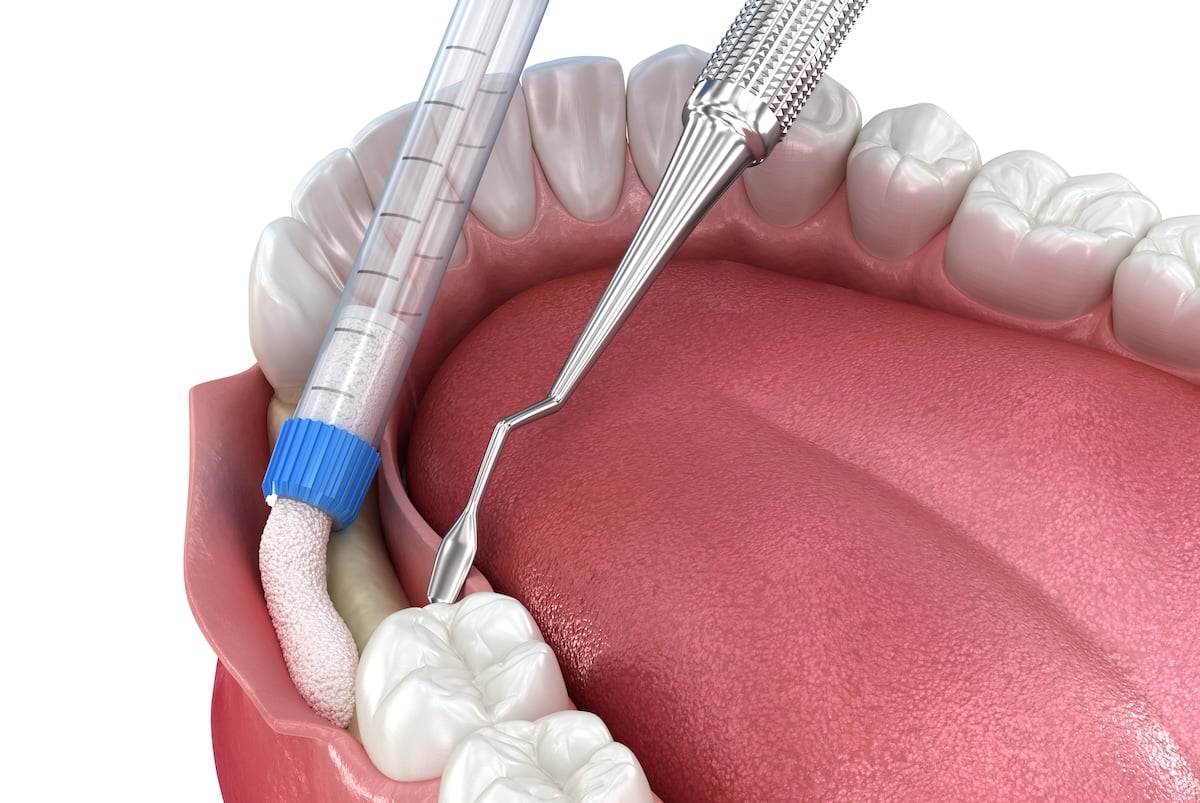
A dental bone graft is a procedure used to restore or preserve bone in the jaw. Bone loss can happen after tooth extraction, gum disease, trauma, or long-term missing teeth. A graft helps create a stronger foundation for future dental treatment and supports overall oral stability.
Different grafting materials may be used depending on the situation, including synthetic materials, donor tissue, or bone taken from another area of the body. Regardless of the material used, successful healing depends on the graft integrating properly with the surrounding bone.
Why Bone Grafts Sometimes Fail
Although bone grafting procedures are generally successful, healing depends on several biological and environmental factors. Infection, poor blood supply, smoking, uncontrolled medical conditions, or excessive pressure on the area can interfere with healing.
Failure does not always happen immediately. In some cases, problems develop gradually as the graft fails to integrate with the natural bone structure.
- Infection risk: Bacteria can interfere with healing.
- Poor integration: The graft may not bond properly with surrounding bone.
- Healing complications: Medical or lifestyle factors may slow recovery.
What Normal Bone Graft Healing Looks Like
Before identifying warning signs, it helps to understand what is considered normal during recovery. During the initial healing period, mild discomfort, swelling, bruising, temporary sensitivity, and minor inflammation are completely normal, but poor oral hygiene and inadequate home care can let bacteria infect the surgical site, compromise the graft material, and prevent it from fusing with the jawbone.

For a smooth recovery, the bone graft must remain still, since improper placement, pressure, or instability can lead to failure.
Most patients notice gradual improvement over the first several weeks. While full bone integration can take several months, symptoms should steadily decrease rather than worsen, and poor blood supply, poor blood flow, or reduced blood vessel support can interfere with healing. Pain that stays severe despite prescribed pain medication is not part of normal healing. A skilled dentist’s experience also affects placement, stability, infection prevention, and support for normal healing.
5 Crucial Signs Of Failed Dental Bone Graft
Recognizing abnormal symptoms early can help prevent more serious complications and improve treatment outcomes.
1. Persistent or Worsening Pain
Some discomfort is expected after a bone graft, especially during the first few days. However, pain that becomes more severe over time rather than improving may indicate a problem.
Persistent pain can signal infection, inflammation, or graft instability. Pain that interferes with eating, sleeping, or daily activities should not be ignored.
- Normal discomfort: Typically improves gradually.
- Worsening pain: May suggest healing complications.
- Sharp or throbbing sensations: Could indicate infection or pressure issues.
2. Excessive Swelling That Does Not Improve
Swelling is a natural part of the body’s healing response, but it should slowly decrease after the first several days. Significant swelling that persists or increases may indicate infection or graft failure.
In some cases, swelling may also be accompanied by warmth, redness, or facial tenderness.
- Expected swelling: Peaks early and then decreases.
- Persistent inflammation: May signal infection.
- Facial asymmetry: Could indicate abnormal healing.
3. Pus, Drainage, or Bad Taste
One of the clearest signs of infection is the presence of pus or unusual drainage near the graft site, and swelling should usually start subsiding within 48 to 72 hours after surgery. A foul taste or odor in the mouth may also suggest bacterial buildup. Swelling, facial fullness, or gum redness that increases after 72 hours or persists after a week can indicate infection or a failed bone graft.
These symptoms should be evaluated promptly, especially if the surgical site is worsening or you feel generally unwell, as untreated infection can compromise the graft and surrounding tissue, so contact your dentist immediately.
- Pus formation: Often indicates infection.
- Bad taste or odor: May result from bacterial activity.
- Drainage near the site: Requires professional attention, especially with redness that worsens after the first few days.
4. Gum Tissue Breakdown or Exposure of the Graft
Healthy gum tissue should gradually heal over the graft area. If yellow or green fluid is seeping from the incision or surgical site, it is a strong sign of infection. If the gums pull away or the bone graft material becomes visible, healing may not be progressing properly. If drainage is paired with fever or you feel generally unwell, contact your dentist immediately.
Tissue breakdown increases the risk of contamination and may interfere with successful integration.
- Visible graft particles: May indicate tissue complications.
- Gum recession: Can expose the treatment area.
- Delayed closure: Suggests impaired healing.
5. Mobility or Instability in the Area
A healing graft should gradually become stable as new bone forms around it. If the area feels loose, unstable, or shifts under pressure, it may indicate that the graft is not integrating correctly.
This symptom can be especially concerning if accompanied by pain or swelling.
- Movement sensation: May indicate failed integration.
- Pressure sensitivity: Could signal instability.
- Delayed healing: Sometimes linked to inadequate bone support.
Risk Factors That Can Increase Failure Rates
Certain factors increase the likelihood of complications after bone grafting procedures. Understanding these risks helps patients take a more proactive role in recovery.
Smoking and Tobacco Use
Smoking restricts blood flow and reduces oxygen delivery, which significantly affects healing.
- Reduced circulation: Slows tissue repair.
- Higher infection risk: Bacteria thrive more easily.
- Delayed integration: Bone healing becomes less predictable.
Poor Oral Hygiene
Plaque and bacteria around the graft site increase the risk of infection and inflammation.
Medical Conditions
Conditions such as uncontrolled diabetes or immune system disorders can interfere with healing capacity.
- Reduced healing efficiency: Slower tissue repair.
- Inflammation concerns: Greater complication risk.
- Monitoring importance: Close follow-up may be needed.
How to Support Proper Bone Graft Healing
Following post-procedure instructions carefully can improve healing outcomes and reduce complications.
- Maintain oral hygiene: Keep the area clean without disturbing it.
- Avoid smoking: Protect blood flow and healing tissue.
- Follow dietary recommendations: Soft foods reduce pressure on the site.
- Attend follow-up visits: Monitoring helps identify problems early.
When to Contact a Dental Professional
Careful aftercare supports a smooth recovery, and some symptoms require prompt evaluation to help prevent further complications.
- Severe pain: Especially if worsening over time.
- Fever or chills: Possible sign of infection, especially if you feel generally unwell.
- Persistent swelling: Beyond the expected healing period.
- Unusual drainage: Including pus or foul taste from the surgical site.
- Excessive bleeding: More than the expected mild oozing after treatment.
Following your dentist’s post-operative care instructions is essential, including keeping the area clean while protecting the grafted area, avoiding actions that could disturb the graft during healing, and taking prescribed medications; your dental team may prescribe antibiotics to help prevent infection. Contact your dentist immediately if these symptoms occur.
Early intervention often improves the likelihood of resolving complications successfully.
How Failed Bone Grafts Are Managed
Treatment depends on the cause and severity of the failure. In some cases, infection control and additional healing time may be sufficient. In others, removal and replacement of the graft material may be necessary.
A professional evaluation determines the most appropriate next steps based on symptoms and imaging results.

Understanding the Healing Process
Healing after bone grafting takes patience and close monitoring. While most procedures heal successfully, recognizing the signs of failed dental bone graft healing helps patients respond quickly if complications arise.
Paying attention to symptoms and maintaining communication with dental professionals supports better long-term outcomes and protects overall oral health.
Learn More About Recovery and Oral Health
Bone graft healing is a gradual process, and understanding what is normal versus concerning can make recovery less stressful. Being informed allows patients to respond early if symptoms change unexpectedly.
If you have questions about healing, oral surgery recovery, or long-term dental health, reach out to Wayzata Dental to learn more. Staying proactive is one of the best ways to support a healthy smile.
