






If you have heard the term silver diamine fluoride dentist during a dental visit, you may be wondering what this treatment is and how it works. Silver diamine fluoride, often abbreviated as SDF, is a topical solution used to help stop tooth decay and protect teeth from further damage. It has gained attention in recent years as a minimally invasive option for managing cavities, especially in patients who may not be ready for traditional restorative procedures.
- Non-invasive approach: Applied directly to the tooth without drilling.
- Cavity control: Helps stop the progression of tooth decay.
- Growing use: Commonly discussed as part of preventive and conservative care.
What Is Silver Diamine Fluoride?
Silver diamine fluoride is a liquid solution that contains silver, fluoride, ammonia, and water. Each component plays a specific role in protecting teeth and slowing decay. The silver acts as an antimicrobial agent, while fluoride helps strengthen enamel and prevent further breakdown.
This treatment is applied directly to areas of active decay, where it works to stop the progression of cavities. It does not restore the tooth’s shape or structure, but it can help stabilize the affected area and reduce the need for more invasive procedures in certain situations.

How Does Silver Diamine Fluoride Work?
Silver diamine fluoride works through a combination of antibacterial action and remineralization. When applied to a decayed area, the solution penetrates the tooth and begins to neutralize harmful bacteria.
At the same time, fluoride supports the remineralization of weakened enamel, helping to harden the tooth surface and resist further decay. The ammonia component helps stabilize the solution, allowing it to remain effective during application.
- Antibacterial effect: Silver helps eliminate decay-causing bacteria.
- Enamel strengthening: Fluoride promotes remineralization.
- Decay arrest: Slows or stops cavity progression.
Why Is Silver Diamine Fluoride Used?
Silver diamine fluoride is often considered in situations where traditional restorative treatment may be difficult or not immediately necessary. It provides a conservative option that focuses on managing decay rather than removing it.

This approach can be particularly helpful in early stages of decay or when patient comfort, access to care, or timing are factors. While it is not a replacement for all restorative treatments, it offers an additional option in certain cases.
5 Benefits of Silver Diamine Fluoride
Understanding the advantages of this treatment can help explain why it is being used more frequently in modern dental care.
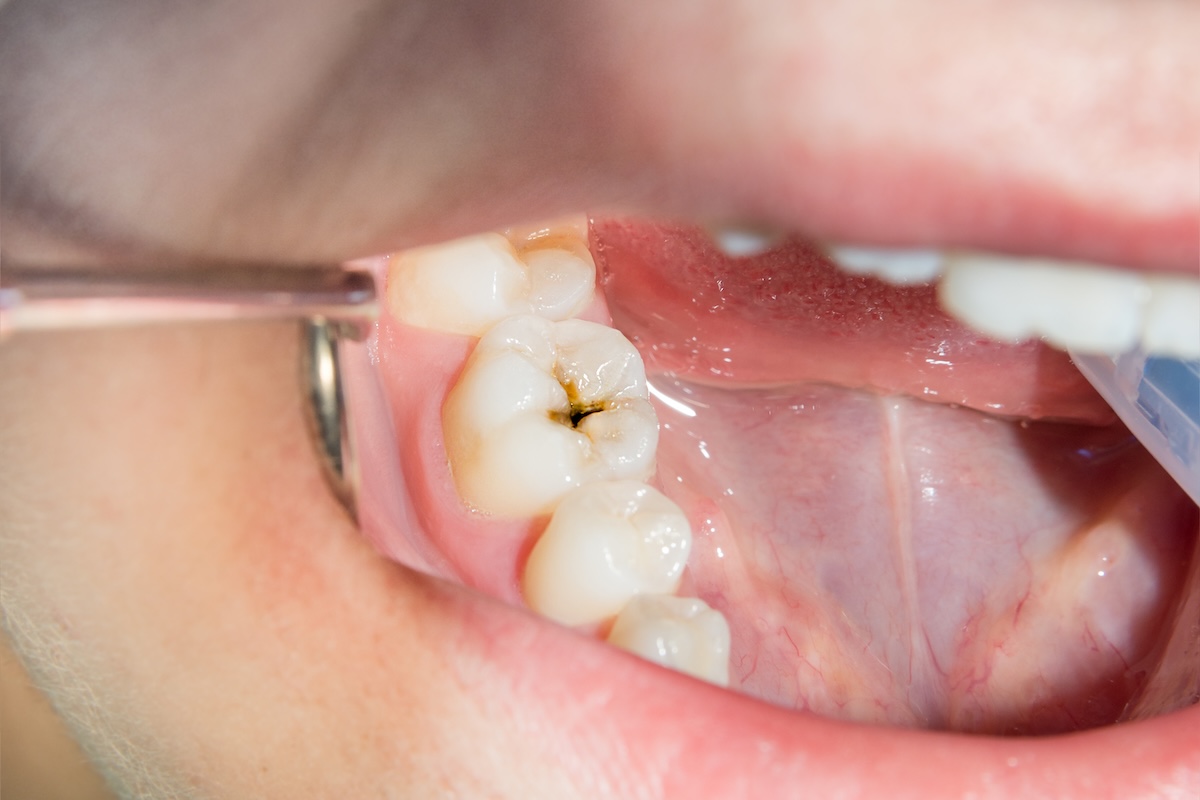
1. Stops the Progression of Cavities
One of the primary benefits of silver diamine fluoride is its ability to halt active tooth decay. By targeting bacteria and strengthening enamel, it helps prevent cavities from worsening.
- Decay control: Slows or stops cavity progression.
- Non-surgical approach: No drilling required.
- Early intervention: Useful for managing initial decay.
2. Minimally Invasive Treatment
Unlike traditional fillings, SDF does not require removal of tooth structure. This makes it a less invasive option, especially for patients who may be sensitive to dental procedures.
The application process is quick and typically does not require numbing, making it more comfortable for many patients.
3. Quick and Simple Application
Silver diamine fluoride can often be applied in just a few minutes during a routine visit. The process involves drying the tooth and applying the solution directly to the affected area.
- Short appointment time: Minimal chair time required.
- No anesthesia needed: Comfortable for most patients.
- Convenient option: Easily incorporated into preventive care.
4. Useful for a Wide Range of Patients
SDF may be considered for children, older adults, or individuals with special healthcare needs. It can also be helpful in situations where traditional treatment may need to be delayed.
- Pediatric use: Helpful for young patients.
- Accessibility: Supports care when treatment options are limited.
- Flexible application: Can be used in various clinical scenarios.
5. Cost-Effective Option
Because it does not involve extensive procedures or materials, silver diamine fluoride is often more affordable than restorative treatments.
While it does not replace fillings in all cases, it can help delay or reduce the need for more complex procedures.
- Lower cost: Compared to traditional restorations.
- Preventive value: Helps avoid more extensive treatment.
- Efficient care: Reduces time and resources needed.
Important Considerations Before Treatment
While silver diamine fluoride offers benefits, it also has limitations that should be understood before use. It is not a cosmetic treatment and does not restore the appearance of a tooth.
One of the most noticeable effects of SDF is that it can darken areas of decay, turning them black. This indicates that the decay has been arrested, but the change in appearance may not be ideal for visible areas of the smile.
- Tooth discoloration: Treated areas may appear dark.
- Not a restorative solution: Does not rebuild tooth structure.
- Case-dependent use: Not suitable for every situation.
Silver Diamine Fluoride vs Traditional Fillings
Understanding how SDF compares to traditional fillings helps clarify when each option may be considered.
| Feature | Silver Diamine Fluoride | Traditional Fillings |
| Procedure Type | Non-invasive topical application | Removal of decay and filling placement |
| Time Required | Quick application | Longer appointment time |
| Anesthesia Needed | Usually not required | Often required |
| Tooth Appearance | Darkens treated decay | Restores natural appearance |
| Durability | Stops decay but does not rebuild tooth | Restores structure and function |
Who Might Benefit From Silver Diamine Fluoride?
Silver diamine fluoride may be considered for individuals with early-stage decay, those seeking a less invasive option, or situations where traditional treatment is not immediately possible.
It may also be used as a temporary measure to stabilize decay until a more permanent solution is appropriate. A professional evaluation is necessary to determine if this approach is suitable.
When Is Additional Treatment Needed?
While SDF can stop decay, it does not restore the tooth’s shape or strength. In cases where the cavity is large or affects function, additional treatment such as a filling or crown may still be necessary.
Monitoring treated areas over time helps ensure that decay remains controlled and that the tooth remains stable.

Making Informed Decisions About Your Dental Care
Understanding what silver diamine fluoride is and how it works allows you to explore different approaches to managing tooth decay. While it offers a conservative option, it is important to consider both its benefits and limitations.
By learning about options like SDF, you can have more informed conversations about your dental care and choose the approach that aligns best with your needs.
Learn More About Preventive Dental Options
Silver diamine fluoride is one of several tools used to help manage and prevent tooth decay. Knowing when and how it is used helps support better long-term oral health decisions.
If you have questions about cavity prevention or want to learn more about treatment options, reach out to Wayzata Dental to learn more. Staying informed is one of the best ways to protect your smile.
