






If you are considering cosmetic dentistry, you may be wondering whether teeth prepped for veneers hurt and what the process actually feels like. Veneer preparation involves reshaping the surface of the tooth so the veneer can fit naturally and securely. While the idea of altering your teeth may sound uncomfortable, modern techniques are designed to make the experience as smooth and manageable as possible.
- Common concern: Many patients worry about discomfort during preparation.
- Modern techniques: Local numbing and precise tools improve comfort.
- Recovery is manageable: Most sensitivity is temporary and mild.
What Does “Prepping Teeth for Veneers” Mean?
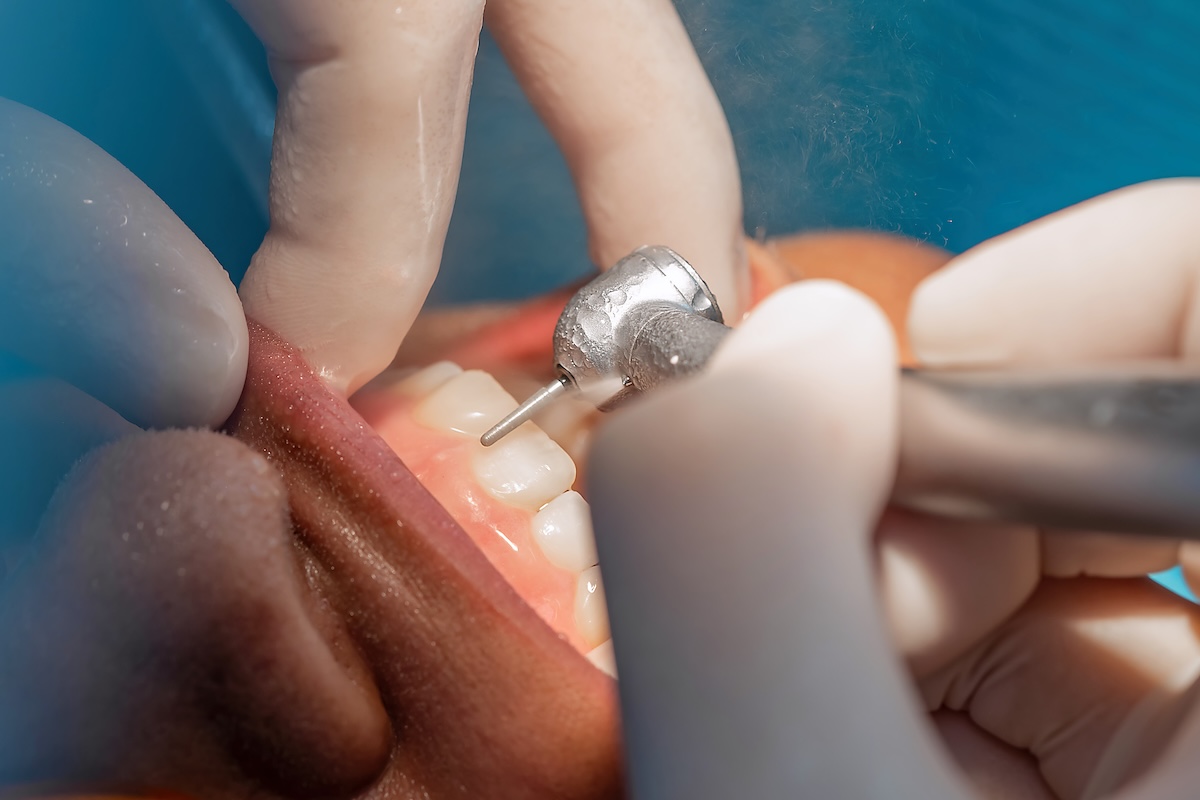
Preparing teeth for veneers involves removing a thin layer of enamel from the front surface of the tooth. This allows the veneer to sit flush and look natural without adding bulk. The amount removed is typically minimal, but it depends on the case and the type of veneer being placed.
This step is important because it ensures proper fit, alignment, and long-term durability. Without preparation, veneers may appear too thick or feel unnatural when biting or speaking.
Do Teeth Prepped For Veneers Hurt During the Procedure?
In most cases, patients do not feel pain during the preparation process. Local anesthesia is typically used to numb the area, which helps prevent discomfort while the enamel is being reshaped.
You may feel slight pressure or vibration from dental instruments, but sharp pain is not expected. The goal of the procedure is to be controlled and comfortable from start to finish.
- Numbing used: Local anesthesia helps block pain.
- Pressure sensation: Some vibration may be noticeable.
- Controlled process: Designed to minimize discomfort.
What Does Veneer Preparation Feel Like?
While pain is not usually part of the experience, patients often notice certain sensations during the procedure. These are normal and expected.

The sound of dental tools and the feeling of slight movement can feel unusual, especially if it is your first cosmetic procedure. However, most patients find the process easier than they anticipated.
- Vibration: Caused by shaping instruments.
- Cool water spray: Helps keep the tooth surface controlled.
- No sharp pain: When properly numbed.
What Happens After Teeth Are Prepped?
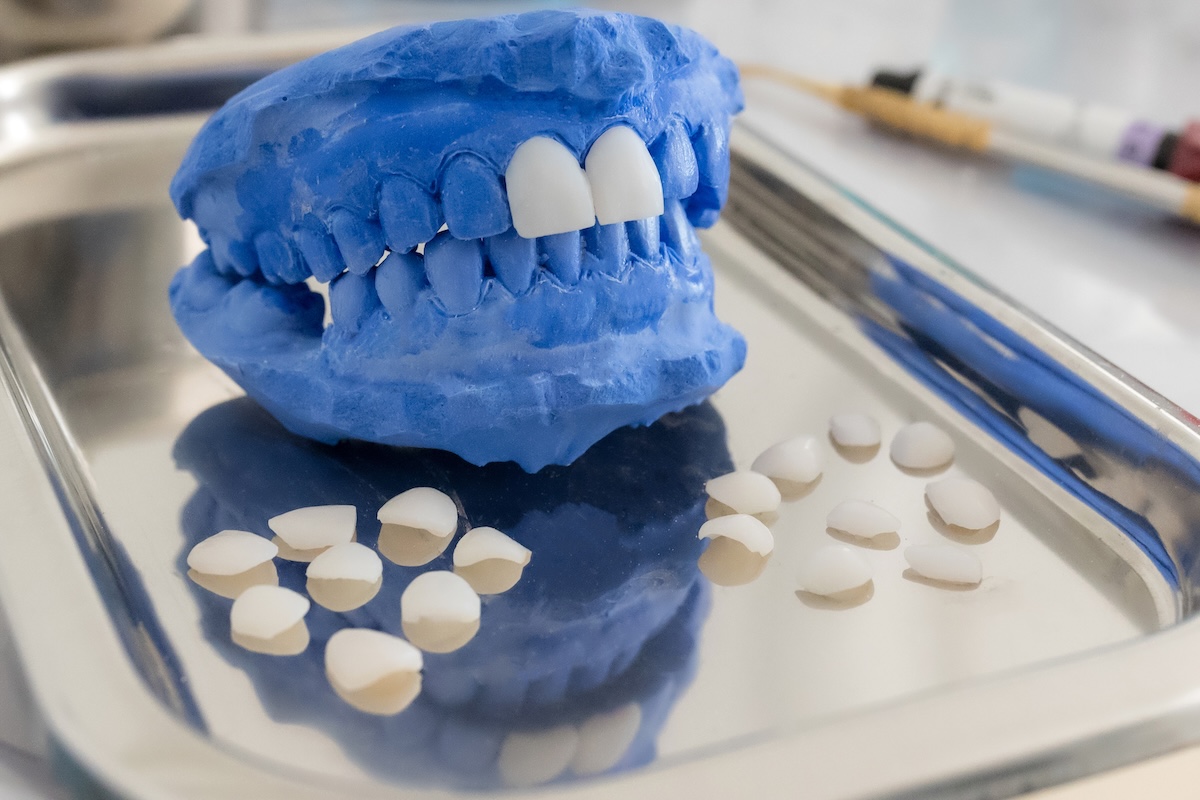
Once teeth are prepared, temporary veneers are often placed to protect the teeth while the final veneers are being made. During this time, it is normal to notice some sensitivity.
The exposed enamel layer is thinner, which can make teeth more reactive to temperature changes. This sensitivity is typically short-lived and improves once permanent veneers are placed.
Is There Pain After Veneer Preparation?
Most patients experience mild discomfort rather than pain after preparation. This usually fades within a few days as the teeth adjust.
Common Post-Prep Sensations
- Temperature sensitivity: Hot or cold foods may feel more noticeable.
- Mild soreness: Especially near the gums.
- Pressure awareness: Slight discomfort when biting.
These symptoms are temporary and often improve as the mouth adapts to the changes.
How Long Does Sensitivity Last?
Sensitivity after veneer preparation is typically short-term. For many people, it lasts a few days to a couple of weeks, depending on individual sensitivity levels.
Once permanent veneers are bonded, they act as a protective layer, reducing or eliminating most sensitivity.
- Short duration: Usually resolves quickly.
- Improvement over time: Gradual reduction in discomfort.
- Permanent veneers help: Restore protection to the tooth.
3 Factors That Affect Discomfort Levels
Not everyone experiences the same level of sensitivity. Several factors can influence how teeth feel after preparation.
1. Amount of Enamel Removed
The more enamel that is removed, the more likely temporary sensitivity may occur. However, veneer preparation is typically conservative and designed to preserve as much natural tooth structure as possible while still allowing for a proper fit.
- Minimal reduction: Only a thin layer of enamel is usually removed.
- Sensitivity link: More removal can increase short-term sensitivity.
- Precision approach: Preparation is carefully controlled for each case.
2. Individual Sensitivity
Some people naturally have more sensitive teeth, which may make them more aware of changes during and after the procedure. This sensitivity varies from person to person and can influence how noticeable post-prep sensations feel.
- Natural variation: Some individuals are more prone to sensitivity.
- Heightened awareness: Temperature and pressure may feel stronger.
- Temporary effect: Sensitivity usually improves over time.
3. Gum Health
Healthy gums tend to recover more quickly, while inflamed or irritated gums may take longer to feel comfortable again. Gum condition before the procedure can play a role in overall recovery and comfort.
- Healthy gums: Heal faster and more predictably.
- Inflammation impact: Irritated gums may prolong discomfort.
- Maintenance matters: Good oral hygiene supports smoother recovery.
Tips to Reduce Discomfort After Preparation
There are several ways to manage sensitivity and support comfort after teeth are prepped.
- Use sensitivity toothpaste: Helps reduce nerve response.
- Avoid very hot or cold foods: Prevents triggering sensitivity.
- Stick to softer foods: Reduces pressure on teeth.
- Follow care instructions: Supports healing and comfort.
Comparing Veneer Prep to Other Dental Procedures
For many patients, veneer preparation is less uncomfortable than they expect. In fact, it is often compared to other routine dental procedures.
| Procedure | Comfort Level | Recovery Time |
| Dental Filling | Mild discomfort | Minimal |
| Veneer Preparation | Mild to moderate sensitivity | Short-term |
| Root Canal | Moderate but controlled | Slightly longer |
| Tooth Extraction | Higher discomfort | Longer recovery |
This comparison helps put the experience into perspective and shows that veneer preparation is generally manageable.
Are There Alternatives That Require Less Preparation?
Some cosmetic options may involve less enamel removal, depending on the situation. However, not all alternatives are suitable for every case.
Less preparation may be possible for minor cosmetic concerns, but achieving a natural and durable result often requires some level of tooth reshaping.
When to Contact a Dental Professional
While mild discomfort is normal, certain symptoms may need attention if they persist.
- Severe or prolonged pain: Lasting beyond expected recovery.
- Increasing sensitivity: Rather than improving over time.
- Gum irritation: That does not heal.
- Temporary veneer issues: Such as loosening or discomfort.
What Most Patients Say About Veneer Prep
Many patients report that their expectations of pain were higher than the actual experience. The procedure is often described as easier and more comfortable than anticipated.
Understanding what to expect helps reduce anxiety and allows patients to approach treatment with more confidence.
Making an Informed Decision About Veneers
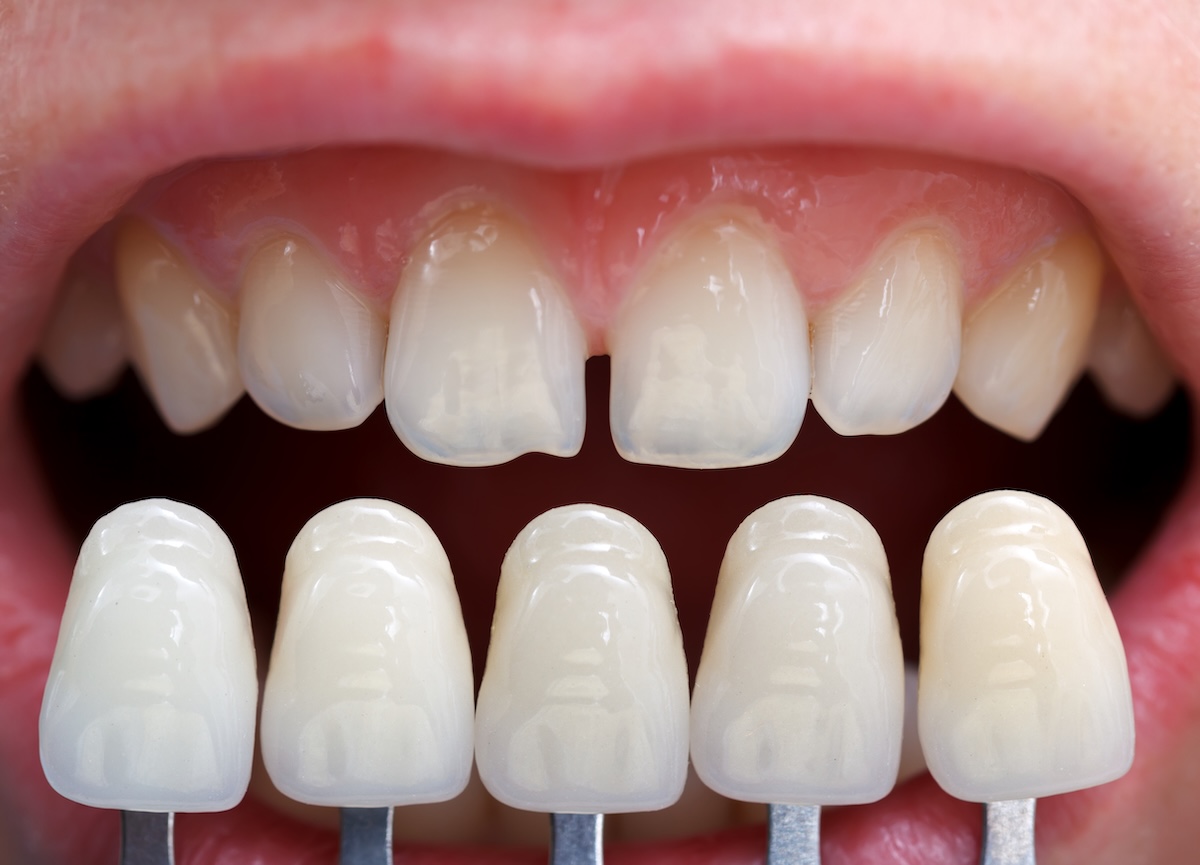
Understanding whether teeth prepped for veneers hurt is an important part of deciding if veneers are right for you. While some temporary sensitivity is normal, the process is designed to be as comfortable as possible with modern techniques.
Being informed helps you feel more prepared and confident when considering cosmetic dental treatments.
Learn More About Veneer Preparation and Care
Veneer preparation is a carefully controlled process designed to improve both appearance and function. Knowing what to expect can make the experience feel much more manageable.
If you have questions about veneers or want to better understand the process, reach out to Wayzata Dental to learn more. Staying informed is the best way to feel confident in your dental decisions.
