






If you are researching tooth implant side effects, understanding what is considered a normal part of recovery versus a potential complication can help you feel more prepared for the healing process. Dental implants have a high long-term success rate, but like any surgical procedure, they can involve temporary side effects as the mouth heals. Knowing what to expect and how to manage common symptoms can support a smoother recovery and help you recognize when professional evaluation may be needed.
- Most side effects are temporary: Mild discomfort and swelling are common after implant placement.
- Healing takes time: Recovery occurs gradually over several weeks and months.
- Early monitoring is important: Recognizing unusual symptoms can help prevent complications.
What Is a Dental Implant?
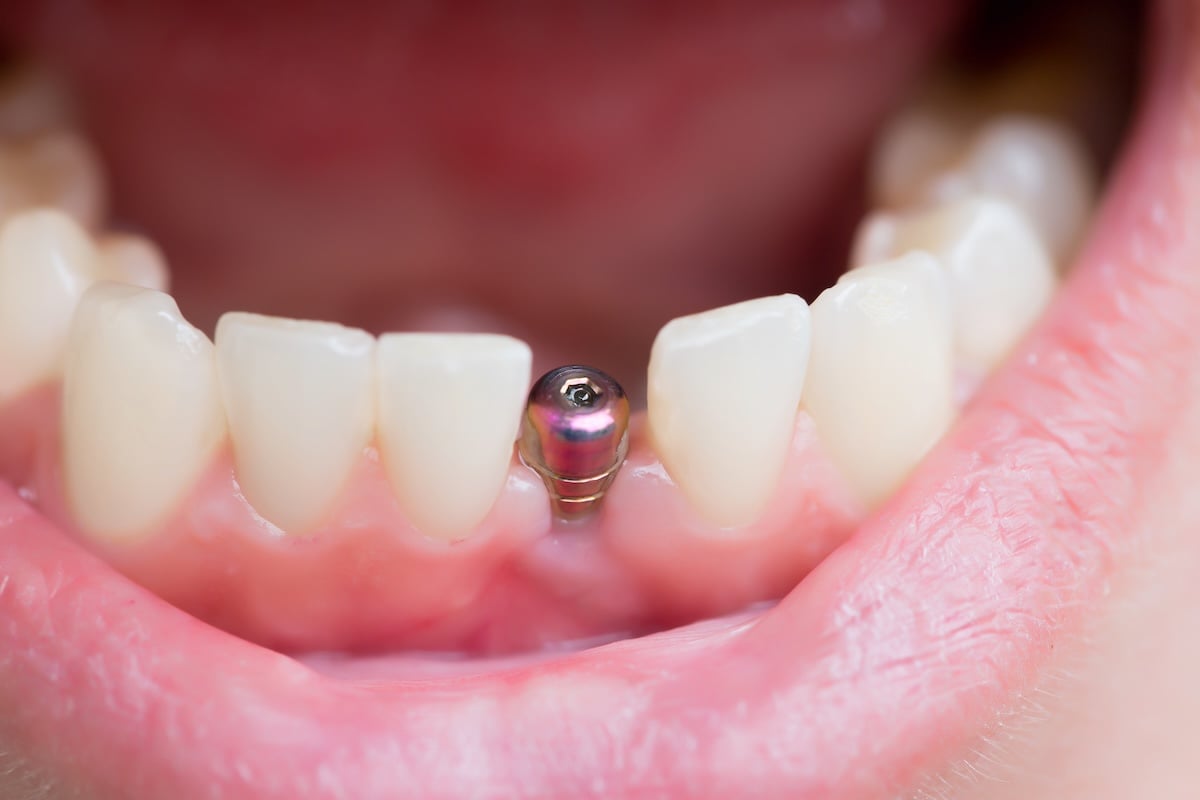
A dental implant is an artificial tooth root, typically made from titanium or another biocompatible material, that is surgically placed into the jawbone. Once the implant integrates with the surrounding bone through a process called osseointegration, it serves as a stable foundation for a crown, bridge, or denture. Dental implants have become one of the most reliable tooth replacement options because they function similarly to natural tooth roots and help preserve jawbone health after tooth loss.
Unlike dentures or bridges that rest on the gums or neighboring teeth, implants become part of the jawbone during healing. Although implant treatment has an excellent success rate, the surgical procedure still requires recovery time, and understanding what is considered normal can help reduce unnecessary concern.
- Stable foundation: Supports replacement teeth securely.
- Bone preservation: Helps reduce bone loss after tooth loss.
- Long-term solution: Can last many years with proper care.
Why Side Effects Can Occur After Dental Implant Surgery
Any surgical procedure triggers the body’s natural healing response, and dental implant placement is no exception. As the gums and jawbone begin repairing themselves, inflammation, swelling, and temporary discomfort are expected parts of recovery. These responses are actually signs that the body’s immune system is working to heal the surgical site.
The type and severity of side effects vary from person to person. Factors such as overall health, smoking, medications, the complexity of the procedure, and adherence to post-operative instructions all influence the recovery process.
4 Common Tooth Implant Side Effects
Most implant patients experience only mild, temporary symptoms that improve steadily over the first several days or weeks. Recognizing what is considered normal can help you recover with greater confidence.

1. Swelling and Mild Discomfort
Swelling is one of the most common side effects after dental implant surgery. It usually becomes most noticeable during the first one to two days before gradually improving throughout the week. Mild soreness around the implant site is also expected as the gums and surrounding bone begin healing. While discomfort levels vary, most patients report that symptoms improve each day rather than becoming worse.
- Peak swelling: Usually occurs within 24 to 48 hours.
- Localized tenderness: Common around the surgical site.
- Steady improvement: Symptoms should gradually decrease.
2. Minor Bleeding
Light bleeding or slight oozing is normal during the first several hours after implant placement. This occurs because the gums are healing around the implant and forming a protective blood clot. Small amounts of blood mixed with saliva may appear more dramatic than they actually are.
Bleeding should gradually decrease over the first day. Persistent or heavy bleeding, however, should be evaluated by a dental professional.
- Light spotting: Expected shortly after surgery.
- Blood clot formation: Supports healthy healing.
- Gradual reduction: Bleeding should lessen throughout the day.
3. Temporary Sensitivity
Some patients notice temporary sensitivity around the implant site or neighboring teeth during recovery. Temporary numbness or tingling can also happen after surgery, including brief altered sensation from local anesthesia. Hot foods, cold drinks, or chewing may temporarily feel different as the tissues heal and inflammation subsides. This sensitivity is generally short-lived and improves as healing progresses.
The amount of sensitivity often depends on the location of the implant, surrounding gum health, and individual pain tolerance. Most patients notice gradual improvement over several weeks.
- Temperature sensitivity: Often temporary during healing.
- Pressure awareness: Biting may feel slightly different.
- Natural recovery: Sensitivity usually decreases over time, but if numbness does not fade or becomes prolonged, it may indicate nerve injury from implant placement and should be evaluated.
4. Bruising Around the Surgical Area
Bruising does not occur after every implant procedure, but it is a normal side effect for some patients. Blood vessels beneath the skin or gums may leak slightly during surgery, creating temporary discoloration that fades as healing progresses.
Bruising may appear on the gums, cheeks, or jaw and often changes color as it heals. Although it may look concerning, it is usually not a sign of a problem.
- Color changes: Bruises may appear purple, blue, yellow, or green.
- Temporary symptom: Typically resolves within one to two weeks.
- Normal healing response: Often improves without treatment.

How to Manage Common Side Effects
Most post-operative symptoms improve with simple home care and careful adherence to post-treatment instructions, including keeping the mouth clean and using prescribed antibiotics when provided for infection control. Giving your body time to heal while avoiding unnecessary stress on the implant site supports a smoother recovery.
- Apply cold compresses: Help reduce swelling during the first 24 hours.
- Eat soft foods: Minimize pressure while chewing.
- Stay hydrated: Supports healthy tissue repair.
- Rest adequately: Allows the body to focus on healing.
- Take pain medicines as directed: Follow professional instructions carefully.
- Stop smoking: Avoid smoking for at least eight weeks after surgery to support healing.
When Side Effects May Signal a Problem
Although most implant side effects are temporary, certain symptoms should not be ignored. Pain, swelling, and sensitivity should gradually improve during recovery rather than becoming more severe.
Persistent symptoms or signs of infection should be evaluated promptly. Early treatment often helps prevent more significant complications and improves long-term implant success.
- Increasing pain: Especially after several days.
- Persistent swelling: That continues to worsen.
- Pus or drainage: May indicate infection.
- Fever: Can signal a developing infection.
- Loose implant: Requires prompt professional evaluation.
Factors That Affect Implant Recovery
Every patient heals differently, and several factors influence both recovery time and the likelihood of experiencing side effects. Recovery is also shaped by habits and risk factors, including poor oral hygiene, smoking—which can reduce dental implant success rates by up to 50% and significantly raise the risk of complications—and teeth grinding, which can fracture implants and disrupt bone integration. Understanding these factors helps explain why one person’s recovery may differ from another’s.
Overall Health
The body’s overall health and other health conditions play a significant role in implant recovery. Some patients may need bone grafting before implant placement if there is not enough jawbone to support the implant. Conditions such as uncontrolled diabetes, autoimmune disorders, or certain medications may slow healing and require closer monitoring throughout the recovery process.
- General wellness: Supports faster healing.
- Medical conditions: May extend recovery time.
- Professional monitoring: Helps identify concerns early.
Smoking and Tobacco Use
Smoking reduces blood flow to the gums and slows tissue healing, so patients should stop smoking before surgery and continue avoiding it during recovery because the body heals more slowly with tobacco exposure. Tobacco use is also associated with a higher risk of implant complications because it limits oxygen delivery to healing tissues.
- Reduced circulation: Slows tissue repair.
- Higher complication risk: May affect implant success.
- Delayed integration: Bone healing can take longer.
Oral Hygiene
Maintaining strict oral hygiene helps reduce bacterial buildup around the implant during healing. Keeping the area clean during the healing period helps lower infection risk. Following cleaning instructions carefully protects both the gums and the developing bond between the implant and bone.
- Gentle cleaning: Protects healing tissue.
- Plaque control: Reduces infection risk.
- Routine follow-up: Helps monitor progress with your dental provider and supports regular professional cleanings.
Long-Term Implant Care
Once healing is complete, dental implants require consistent maintenance to remain healthy for many years. Although implants cannot develop cavities, the surrounding gums and bone remain vulnerable to inflammation if plaque accumulates.
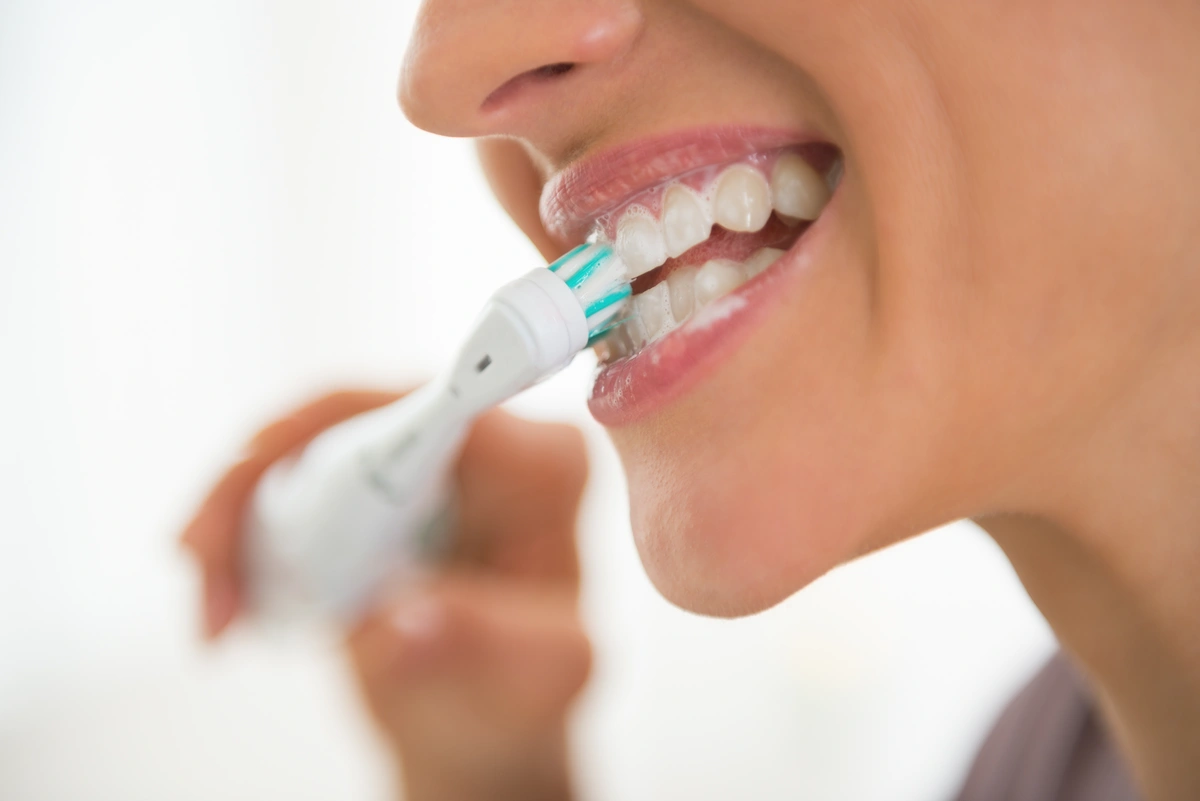
Daily brushing, flossing, and regular dental visits are essential for protecting the tissues that support the implant. Healthy habits after recovery play just as important a role in long-term success as the surgery itself.
Understanding Normal Recovery
Learning about tooth implant side effects can make the recovery process much less stressful. Mild swelling, soreness, sensitivity, and bruising are common after implant placement and usually improve steadily as healing progresses.
Knowing which symptoms are expected and which require professional attention allows you to recover with greater confidence while protecting your long-term oral health.
Learn More About Dental Implant Recovery
Dental implant recovery looks slightly different for every patient, but understanding the healing process can help set realistic expectations. Being informed before and after treatment makes it easier to recognize normal healing and respond appropriately if concerns arise.
If you have questions about dental implant recovery or want to learn more about maintaining your oral health, reach out to Wayzata Dental to learn more. Staying informed is one of the best ways to support a healthy smile for years to come.
