






When exploring options to replace missing teeth, understanding the different types of dental bridges can help you make the right decision for your smile. Dental bridges are a trusted, long-lasting solution that fills the gap left by a missing tooth or multiple teeth, restoring both function and appearance.
- Multiple options available: From traditional to implant-supported, bridges can be tailored to your dental needs.
- Improved function and aesthetics: Bridges help you chew, speak, and smile with confidence.
- Preserve surrounding teeth: The right bridge can prevent shifting and bite misalignment.
Let’s take a closer look at the most common types of dental bridges and how they work.
What Is a Dental Bridge?
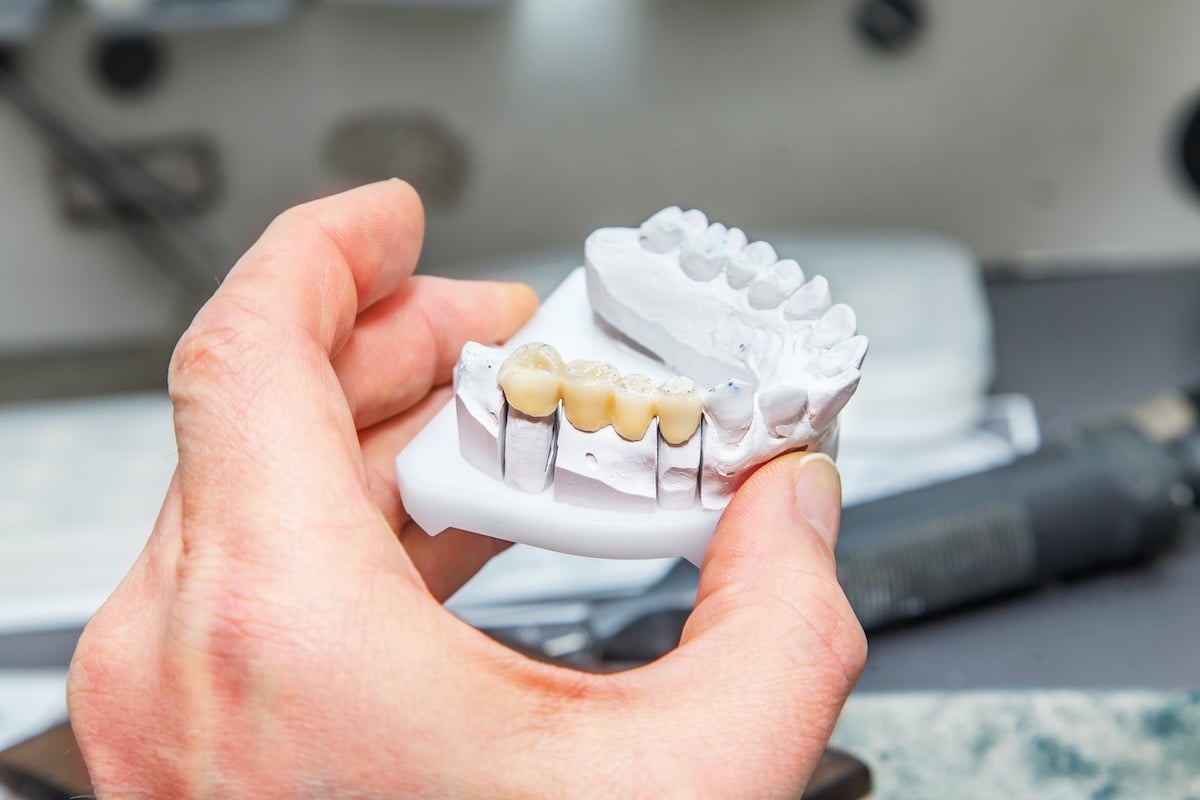
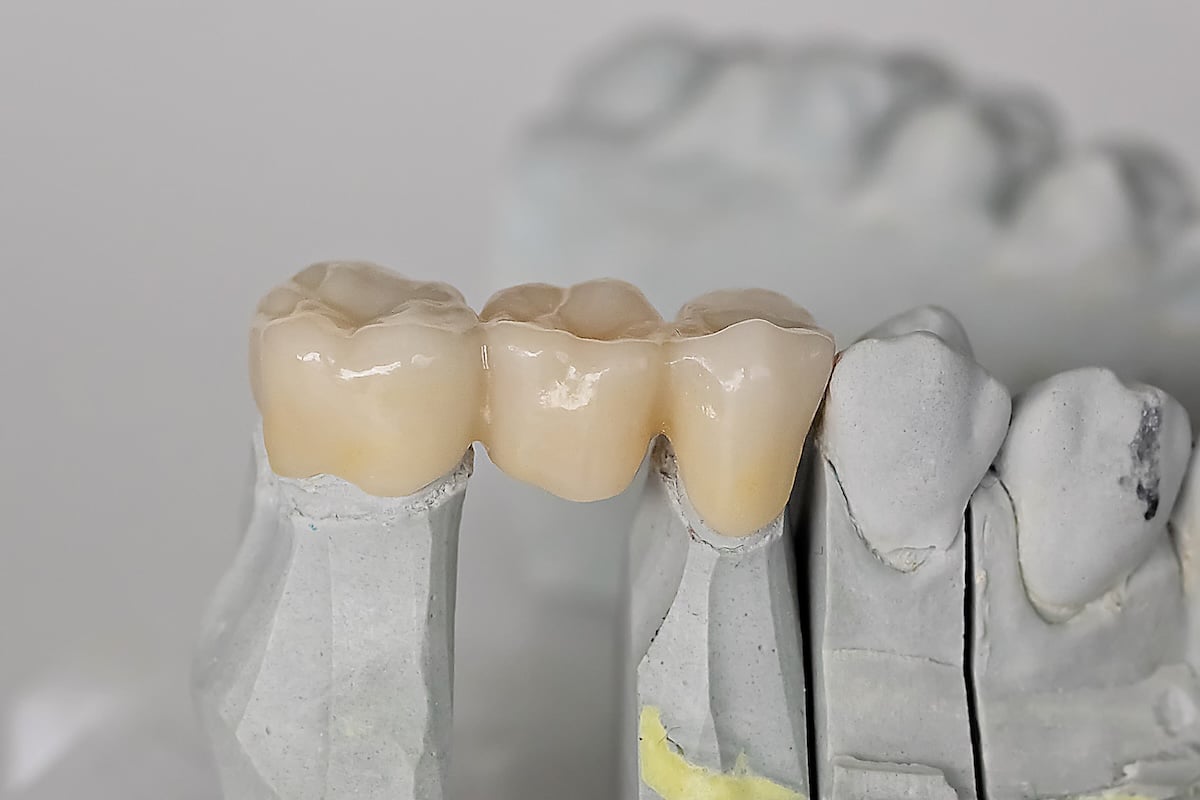
A dental bridge is a custom appliance that “bridges” the gap left by one or more missing teeth. It typically consists of a false tooth (or teeth) called a pontic, held in place by dental crowns or implants on either side.
Why You Might Need a Bridge
Missing teeth don’t just affect appearance; they can also disrupt daily activities like eating and speaking. Over time, the surrounding teeth may drift out of position, and the underlying bone can deteriorate.
Dental bridges:
- Restore your smile and facial shape
- Prevent remaining teeth from shifting
- Help maintain proper bite alignment
- Improve your ability to chew and speak naturally
Now let’s explore the four main types of dental bridges used in modern dentistry.

⭐️ 1. Traditional Dental Bridge
The traditional bridge is the most commonly used type and has been a go-to solution for decades. It consists of a false tooth (pontic) held in place by dental crowns on the adjacent natural teeth.
- How it works: The teeth on either side of the gap are prepared and fitted with crowns, which support the pontic in between.
- Best for: Patients with healthy, strong teeth on both sides of the missing tooth.
- Materials used: Typically made from porcelain fused to metal, all-ceramic, or zirconia for durability and aesthetics.
- Lifespan: With proper care, traditional bridges can last 10–15 years or more.
Pros
- Strong and reliable
- Feels and looks natural
- More affordable than implant-supported options
Cons
- Requires reshaping healthy teeth
- May not be ideal for larger gaps or weak supporting teeth
👉 2. Cantilever Dental Bridge
A cantilever bridge is similar to a traditional bridge but is supported by only one adjacent tooth instead of two. This makes it a good option in cases where a second supporting tooth isn’t available.
- How it works: A crown is placed on a single neighboring tooth, and the pontic is attached to it.
- Best for: Replacing teeth in areas with less biting pressure, such as front teeth.
- Limitations: Not ideal for back molars where biting forces are strongest.
Pros
- Requires only one supporting tooth
- Less invasive than traditional bridges
- Useful in cases where only one adjacent tooth is healthy
Cons
- Puts more pressure on the single anchor tooth
- May not last as long in high-stress areas
- Risk of loosened or fractured support tooth over time
✅ 3. Maryland Dental Bridge
Also known as a resin-bonded bridge, the Maryland bridge uses a metal or porcelain framework that is bonded to the backs of the neighboring teeth instead of using crowns.
- How it works: A pontic is fused to metal or ceramic wings that are attached to the inner surfaces of the adjacent teeth using dental cement.
- Best for: Patients with missing front teeth and healthy neighboring teeth.
- Minimal preparation: Since no crowns are placed, the natural teeth remain largely untouched.
Pros
- Conservative treatment with little to no enamel removal
- Less invasive and more affordable
- Ideal for younger patients or those avoiding extensive work
Cons
- Less durable than crown-supported bridges
- May debond over time, especially with high biting forces
- Limited to certain locations (usually front teeth)
🦷 4. Implant-Supported Dental Bridge
Implant-supported bridges are a premium option that doesn’t rely on natural teeth for support. Instead, dental implants are surgically placed into the jawbone to anchor the bridge.
- How it works: One or more implants are used to support a bridge in the area of missing teeth, depending on how many teeth are missing.
- Best for: Patients missing multiple teeth in a row who have adequate bone support.
- Long-term solution: Offers superior stability and durability.
Pros
- Preserves jawbone health
- Doesn’t affect adjacent natural teeth
- Feels and functions like natural teeth
- Can last 20+ years with proper care
Cons
- Higher upfront cost
- Requires surgery and healing time
- Not suitable for patients with insufficient bone without grafting
📋 How to Choose the Right Dental Bridge
The right type of dental bridge for you depends on your oral health, the location of the missing tooth, your budget, and your long-term goals.
Consider the Following:
- Number and location of missing teeth: Front teeth may need different solutions than molars.
- Condition of neighboring teeth: Healthy adjacent teeth may support traditional or cantilever bridges; if not, implants may be better.
- Gum and bone health: Implant-supported bridges require strong bone density.
- Aesthetic goals: Porcelain or zirconia bridges offer the most natural appearance.
- Budget and insurance: Maryland and traditional bridges tend to be more affordable than implant-supported versions.
Your dentist will take X-rays, assess your oral health, and review your options to create a personalized treatment plan.
🪥 Caring for Your Dental Bridge
No matter which type of dental bridge you receive, proper care is essential for longevity and oral health.
Daily Hygiene Tips
- Brush twice a day: Use a soft-bristled brush and fluoride toothpaste.
- Floss daily: Special floss threaders or interdental brushes can clean under the bridge.
- Use antibacterial mouthwash: Helps control plaque and bacteria around the bridge area.
Regular Dental Visits
- Professional cleanings: Regular cleanings remove plaque that builds up in hard-to-reach areas.
- Bridge checks: Your dentist will monitor the condition and fit of your bridge over time.
- Early problem detection: Identifying minor issues early can prevent major repairs later.

😁 Restore Your Smile With the Right Dental Bridge
Whether you’re missing one tooth or several, understanding the most common types of dental bridges gives you the confidence to move forward with your treatment. At Wayzata Dental, we offer personalized guidance and high-quality solutions tailored to your smile, your health, and your lifestyle.
Ready to explore your options? Schedule an appointment with Wayzata Dental today and let our experienced team help you find the best dental bridge for lasting comfort and confidence.
