






If you’re exploring your restoration options, understanding the types of dental crowns and cost in 2026 can help you make the best decision for your smile. Dental crowns are one of the most popular and effective ways to restore damaged, discolored, or weakened teeth while maintaining natural aesthetics.
- Versatile treatment: Crowns can repair, protect, and strengthen teeth.
- Long-term investment: Quality materials can last more than a decade with proper care.
- Aesthetic improvement: Modern crowns look and feel like natural teeth.
What Are Dental Crowns?
A dental crown is a custom-made cap that fits over a tooth to restore its shape, strength, and function. Crowns are commonly used after root canals, large fillings, or fractures. They also improve appearance by correcting discoloration or uneven shape.
How Dental Crowns Work
The process begins with reshaping your tooth so the crown can fit securely. Your dentist then takes impressions to create a custom restoration that matches your bite and neighboring teeth. Once the permanent crown is ready, it’s cemented in place for a seamless, natural look.
Crowns can be made from various materials—each offering different advantages in durability, cost, and appearance. Choosing the right type depends on your unique needs, priorities, and budget.
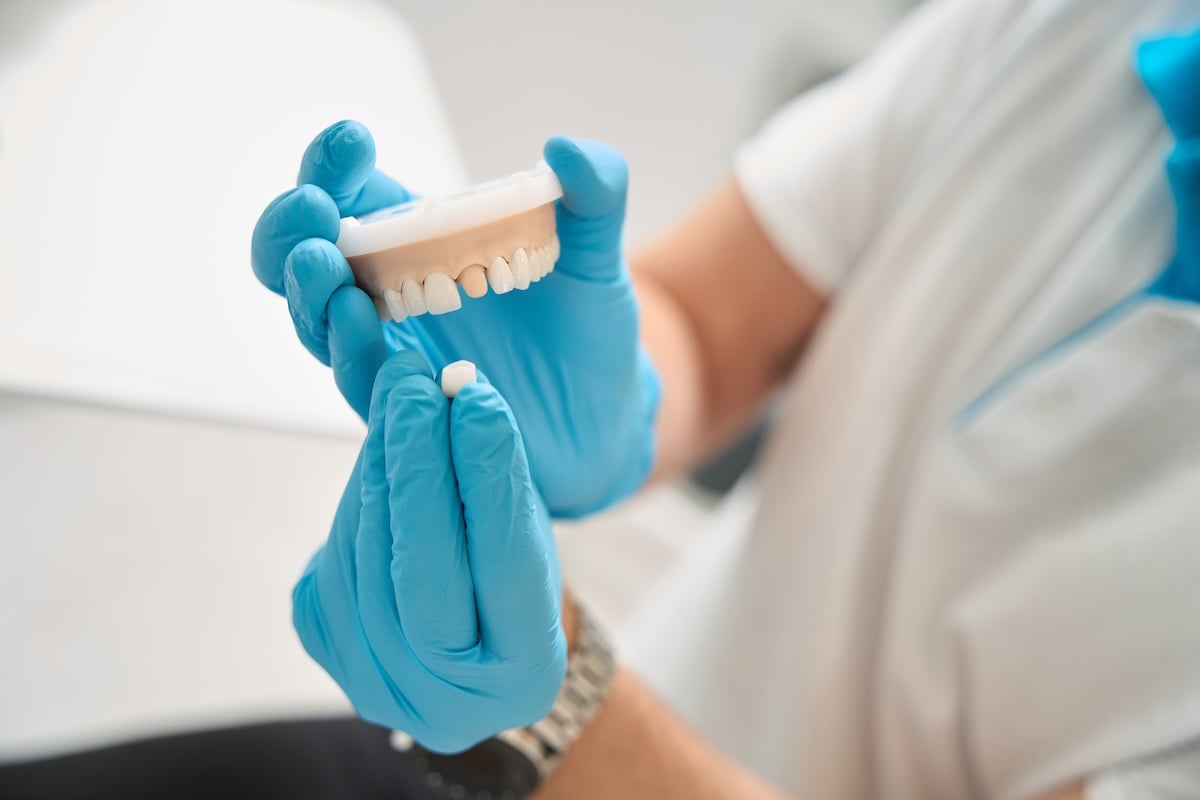
Types of Dental Crowns and Cost Overview
In 2026, dental technology continues to improve, offering patients more crown options than ever before. Below is a breakdown of the most common crown types, including their characteristics and average cost range.
- Porcelain-Fused-to-Metal (PFM) Crowns
PFM crowns have a strong metal base covered with a tooth-colored porcelain layer. They combine the strength of metal with the natural appearance of porcelain, making them ideal for both front and back teeth.
- Durability: Long-lasting with proper oral care.
- Appearance: Natural, but the metal base may sometimes show a gray line near the gum line.
- Average Cost (2026): $900–$1,500 per crown.
- All-Porcelain or All-Ceramic Crowns
These crowns are entirely metal-free, providing exceptional aesthetics and a perfect match for natural teeth. They’re ideal for visible front teeth.- Durability: Slightly less strong than metal options but sufficient for most needs.
- Appearance: Excellent color match and translucency.
- Average Cost (2026): $1,000–$2,000 per crown.
- Zirconia Crowns
Zirconia crowns are one of the most durable and biocompatible materials available today. They resist chipping, cracking, and wear while maintaining a natural look.- Durability: Extremely strong and long-lasting.
- Appearance: Can be customized for a natural color and shine.
- Average Cost (2026): $1,200–$2,500 per crown.
- Gold Crowns
Gold and other metal alloy crowns have been used for decades due to their strength and longevity. They’re best suited for molars where aesthetics are less important.- Durability: Very resistant to wear, chipping, and cracking.
- Appearance: Metallic gold tone, not ideal for visible areas.
- Average Cost (2026): $1,000–$2,400 per crown (depending on metal content).
- E-Max (Lithium Disilicate) Crowns
E-Max crowns are made from a high-strength ceramic that’s both durable and beautifully translucent. They’re a premium cosmetic option often used for front teeth.- Durability: Stronger than traditional porcelain.
- Appearance: Highly aesthetic and lifelike.
- Average Cost (2026): $1,200–$2,000 per crown.
- Resin Crowns
These are made from a composite resin material and are often used as a temporary or budget-friendly solution. While affordable, they’re more prone to wear and staining over time.- Durability: Less resistant to wear compared to ceramic or metal.
- Appearance: Can match tooth color but may discolor faster.
- Average Cost (2026): $600–$1,000 per crown.
Factors That Influence Dental Crown Cost
While the types of dental crowns and cost give a general idea, several factors affect the total price of your restoration. Understanding these can help you plan ahead and make an informed choice.
Material Selection
The crown material has the biggest impact on cost. High-end materials like zirconia or E-Max are more expensive due to their strength and aesthetics, while resin and PFM crowns are more budget-friendly.
- Premium aesthetics: All-ceramic and zirconia options offer natural translucency and longevity.
- Budget-conscious choice: Resin and metal-based crowns cost less but may wear faster.
Location and Dental Technology
Dental prices can vary by location, clinic technology, and expertise. Clinics offering same-day crowns with CAD/CAM technology may have slightly higher costs, but they save time and eliminate the need for temporary crowns.
- Advanced equipment: Digital scanning and same-day milling improve accuracy and comfort.
- Time efficiency: One-visit crowns save multiple appointments and lab fees.
Dentist Experience and Customization
An experienced dentist ensures precise fit, proper bite alignment, and aesthetic blending. Custom shading and shaping add to cost but produce more natural-looking results.
- Precision fit: Minimizes future complications and sensitivity.
- Personalized design: Each crown is tailored to your smile and bite.
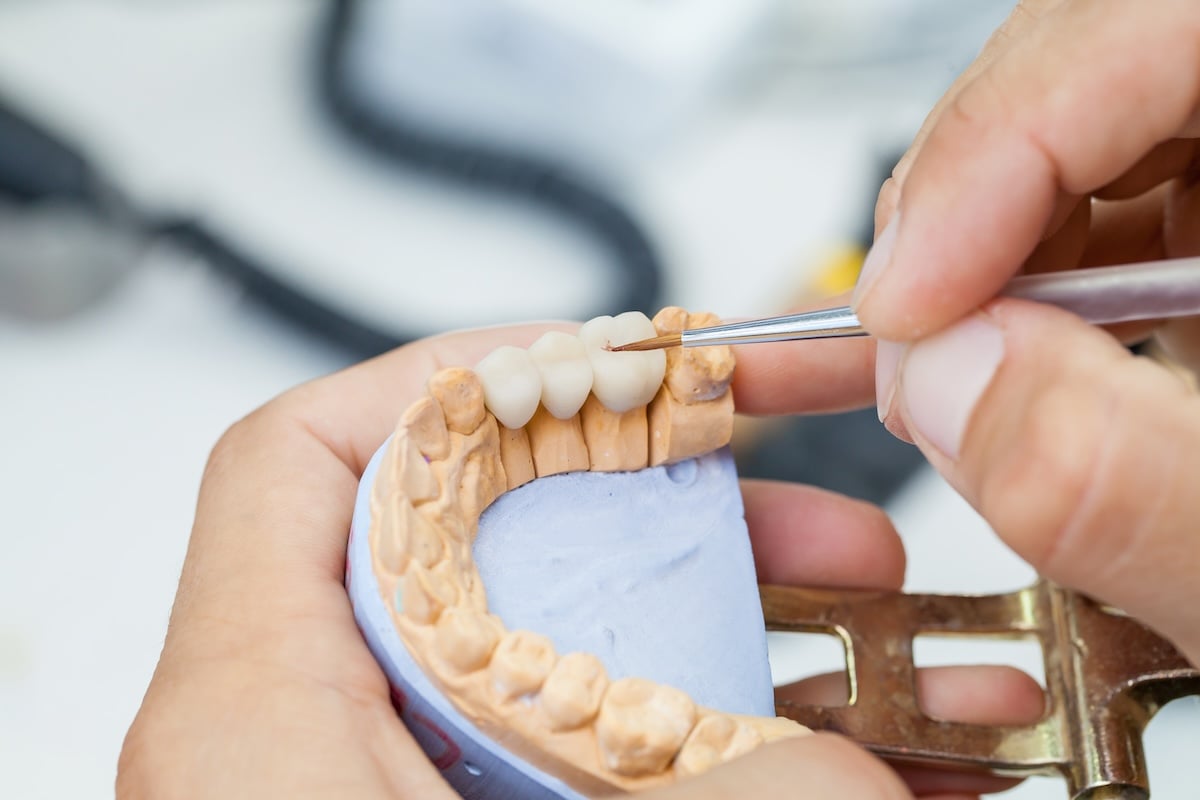
Comparing Durability and Lifespan
Each crown type has a unique balance between cost, appearance, and longevity. Understanding how long different crowns typically last helps you see the true value of your investment.
Average Lifespans by Material
- Zirconia crowns: 15–20 years or longer with proper care.
- Gold crowns: 20+ years, often lasting a lifetime.
- Porcelain-fused-to-metal: 10–15 years on average.
- All-porcelain crowns: 10–15 years, depending on usage.
- Resin crowns: 5–8 years due to higher wear.
Maintenance and Oral Care Tips
The longevity of your dental crown depends heavily on good oral hygiene and habits.
- Daily brushing and flossing: Prevent decay around the crown edges.
- Avoid hard foods: Minimize biting ice, hard candy, or pens.
- Routine checkups: Allow your dentist to monitor the crown’s integrity.
Which Type of Crown Is Best for You?
Choosing the right crown depends on your oral health, aesthetic goals, and budget. Below are a few examples of how dentists typically recommend crowns for different situations.
- Front teeth restoration: All-porcelain or E-Max crowns offer superior aesthetics.
- Back molars: Gold or zirconia crowns withstand heavy chewing forces.
- Balanced solution: PFM crowns provide both durability and appearance.
- Temporary solution: Resin crowns are useful while awaiting permanent restorations.
Your dentist will help you decide which option delivers the best combination of function and appearance for your unique smile. While selecting the right material is vital, it is equally important to know when a crown is necessary versus a more conservative repair. Comparing a crown vs filling can help you determine which restoration best preserves your tooth structure and fits your long-term health goals.
The Future of Dental Crowns in 2026
The field of restorative dentistry continues to evolve with innovative materials and digital design tools. In 2026, patients benefit from more precise fitting, longer-lasting materials, and natural aesthetics that blend perfectly with existing teeth.
Advancements in Technology
Modern CAD/CAM (computer-aided design and manufacturing) systems allow dentists to create same-day crowns with exceptional precision. These restorations fit better, feel smoother, and require fewer adjustments.
Improved Material Science
Zirconia and lithium disilicate are leading the way in advanced dental materials. They combine strength, translucency, and biocompatibility—making them both beautiful and reliable.
Why Choose Wayzata Dental for Dental Crowns?
Wayzata Dental combines modern dental technology with personalized care to deliver long-lasting, natural-looking restorations. From digital impressions to precise color matching, every crown is crafted with exceptional attention to detail.
Our Expertise
Our experienced team understands that every smile is unique. Whether you need a single crown or multiple restorations, we tailor your treatment plan to meet both your aesthetic and functional needs.
Our Commitment to Comfort
We prioritize patient comfort through minimally invasive techniques, gentle preparation, and advanced materials that protect your long-term oral health. Every step of the process is designed to help you feel confident and informed.
Invest in Your Smile with Wayzata Dental
Understanding the types of dental crowns and cost in 2026 empowers you to choose a restoration that fits your lifestyle, goals, and budget. From durable zirconia to beautifully natural E-Max crowns, there’s an option for every smile.
At Wayzata Dental, we’re proud to offer expert crown solutions that combine function, aesthetics, and lasting value. Our team will guide you through every step—from consultation to final fitting—with precision and care.
Ready to restore your smile? Schedule your appointment with Wayzata Dental today and discover which crown option is best for you.
