






If you have ever asked yourself what do healthy gums look like, understanding the normal color, texture, and appearance of gum tissue can help you recognize early signs of oral health problems. Healthy gums play a major role in protecting teeth, supporting the jawbone, and preventing infection. Because gum disease often develops gradually, knowing what healthy gums should look and feel like is an important part of maintaining long-term oral health.
- Healthy gums have distinct characteristics: Color, texture, and firmness all matter.
- Small changes can signal problems: Swelling or bleeding may indicate inflammation.
- Prevention starts early: Monitoring gum health helps catch issues before they worsen.
Why Gum Health Matters
Healthy gums do much more than simply surround the teeth. They create a protective barrier against bacteria, help anchor teeth securely in place, and support the bone underneath the gums. When gum tissue becomes irritated or inflamed, the health of the surrounding structures can gradually decline as well.
Because gum disease often develops slowly and painlessly, many people do not realize there is a problem until symptoms become more noticeable. Understanding what healthy gum tissue should look like makes it easier to identify subtle changes early and seek professional guidance before conditions progress.
- Tooth support: Gums help stabilize teeth during chewing and speaking.
- Protection against bacteria: Healthy tissue creates a seal around teeth.
- Whole-body connection: Gum inflammation may affect overall wellness.
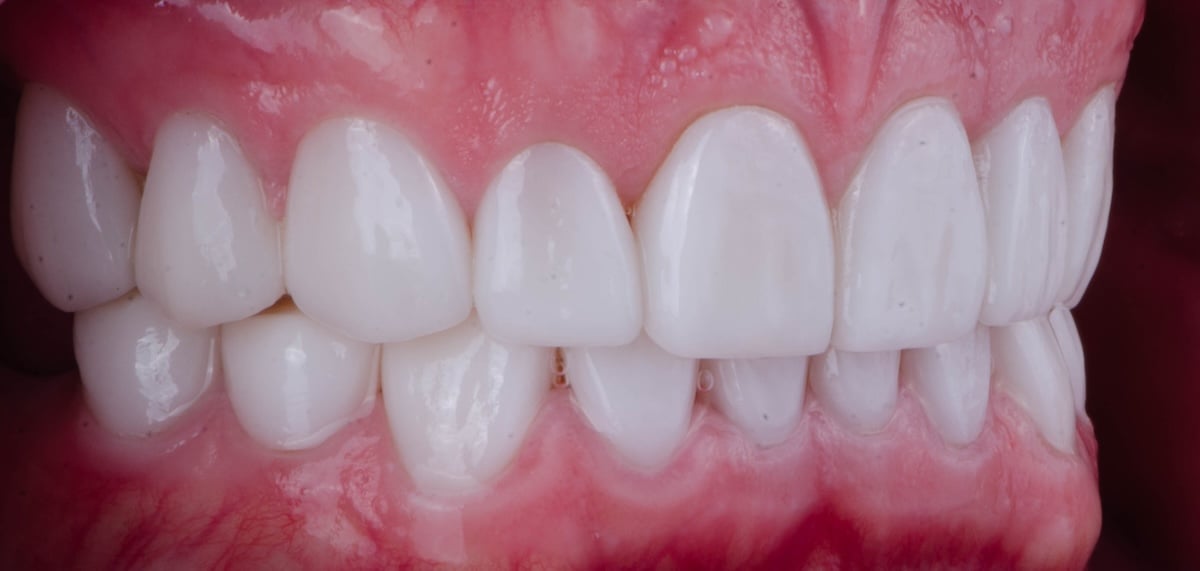
What Do Healthy Gums Look Like?
Healthy gums generally appear firm, evenly contoured, and free from visible irritation. While many people associate healthy gums with a light pink color, the exact appearance varies naturally from person to person depending on genetics and pigmentation. The most important factor is that the gums look consistent and healthy throughout the mouth.
In addition to appearance, healthy gums should feel comfortable and should not bleed during normal brushing or flossing. They should fit snugly around the teeth without appearing swollen, puffy, or receded. Observing these characteristics regularly can help you identify potential concerns early.
Healthy Gum Color
Color is one of the most noticeable indicators of gum health. Healthy gums are often described as pink, but natural pigmentation can create a wide range of normal shades. Some individuals naturally have darker brown or purplish tones in their gums, especially depending on genetics and ethnicity.

The key sign of health is not necessarily the exact shade, but rather consistency and the absence of inflammation. Healthy gums typically do not appear bright red, shiny, or excessively dark in isolated areas.
- Even tone: Color appears balanced throughout the mouth.
- Natural pigmentation: Variations may occur based on genetics.
- No intense redness: Healthy gums are not heavily inflamed.
Signs Color May Indicate a Problem
Changes in gum color can sometimes indicate irritation, infection, or inflammation. Bright redness often suggests irritation from plaque buildup, while darker red or purple tones may signal more advanced inflammation.
Color changes are especially important to monitor if they are accompanied by swelling, bleeding, or tenderness. Paying attention to these visual differences can help identify gum issues before they become severe.
- Bright red gums: Often linked to inflammation.
- Darkened areas: May indicate advanced irritation.
- Pale appearance: Sometimes associated with circulation concerns.
Healthy Gum Texture
Texture is another important sign of gum health. Healthy gums are usually firm and slightly textured rather than overly smooth or swollen. Dental professionals often compare healthy gum texture to the surface of an orange peel because of its subtle stippling pattern.
This textured appearance reflects strong, attached gum tissue. Healthy gums also fit tightly around the teeth instead of appearing loose or separated from the enamel.
Characteristics of Healthy Texture
Healthy gum tissue should feel resilient and stable rather than soft or puffy. The gums should also maintain their shape around each tooth without excessive swelling or enlargement.
- Firm consistency: Gums feel secure and resilient.
- Slight stippling: Small textured appearance may be visible.
- Tight fit: Gum tissue hugs the teeth closely.
Texture Changes That May Signal Problems
Inflammation often changes the texture of gum tissue before more severe symptoms appear. Puffy or shiny gums may indicate that bacteria and plaque are irritating the tissue.
In some cases, texture changes are accompanied by tenderness or sensitivity. Monitoring these differences helps identify problems early before they progress further.
- Swollen appearance: Gums may look enlarged or puffy.
- Shiny surface: Often associated with inflammation.
- Loose tissue: Gums may begin pulling away from teeth.

Healthy Gums Should Not Bleed
One of the clearest signs of healthy gums is the absence of bleeding during routine brushing or flossing. Many people assume that occasional bleeding is normal, but healthy gum tissue generally tolerates daily cleaning without irritation.
Bleeding often develops when plaque accumulates near the gumline and triggers inflammation. This early stage of gum disease, called gingivitis, is usually reversible when addressed promptly with improved oral hygiene and professional care.
Why Bleeding Happens
Inflamed gums contain more blood flow and become more sensitive to irritation. Even gentle flossing may trigger bleeding when inflammation is present.
- Plaque buildup: Irritates gum tissue.
- Inflammatory response: Increases sensitivity and bleeding.
- Poor cleaning habits: Allow bacteria to remain near the gums.
Why Early Attention Matters
Ignoring gum bleeding can allow inflammation to progress deeper below the gumline. Over time, untreated gingivitis may develop into periodontitis, which can affect bone and tooth stability.
- Early treatment: Helps reverse inflammation.
- Professional cleaning: Removes tartar buildup.
- Consistent hygiene: Supports healthier gums long term.
3 Common Signs of Unhealthy Gums
Recognizing unhealthy gum changes early can help prevent more serious oral health complications. Gum disease often develops gradually, so subtle symptoms should not be ignored.
1. Swelling and Puffiness
Inflamed gums frequently appear enlarged due to the body’s immune response to bacteria. Swelling may occur around specific teeth or throughout larger areas of the mouth.
2. Gum Recession
When gums pull away from teeth, the roots become more exposed. This can increase sensitivity and create spaces where bacteria accumulate more easily.
- Longer-looking teeth: A common sign of recession.
- Root exposure: Can increase sensitivity.
- Pocket formation: Bacteria may collect more easily.
3. Persistent Bad Breath
Chronic bad breath is sometimes linked to bacterial buildup beneath the gumline. This odor may continue even after brushing or using mouthwash.
- Bacterial accumulation: Produces odor-causing compounds.
- Inflamed tissue: Can worsen breath concerns.
- Ongoing symptoms: May indicate deeper gum issues.
Factors That Influence Gum Health
Many daily habits and lifestyle factors affect the condition and appearance of gum tissue. Healthy gums require consistent care over time.
Oral Hygiene Habits
Brushing and flossing remove plaque before it hardens into tartar and irritates the gums. Routine cleanings also help eliminate buildup in areas that are difficult to clean at home.
- Daily brushing: Reduces bacteria and plaque.
- Flossing: Cleans between teeth and near the gumline.
- Regular cleanings: Help maintain healthier tissue.
Smoking and Tobacco Use
Tobacco products reduce circulation and interfere with healing, increasing the risk of gum disease and recession.
Diet and Hydration
Nutrition and hydration influence saliva production and tissue health. Saliva helps control bacteria and protect the oral environment.
- Hydration: Supports saliva flow.
- Balanced nutrition: Helps maintain tissue health.
- Reduced sugar intake: Limits harmful bacterial growth.

How to Keep Gums Healthy
Maintaining healthy gums requires consistent daily habits and preventive care rather than occasional treatment.
- Brush gently twice daily: Avoid damaging gum tissue.
- Floss every day: Removes plaque between teeth.
- Attend routine dental visits: Supports early detection.
- Avoid tobacco products: Helps preserve circulation and healing.
Understanding What Healthy Gums Should Look Like
Learning what do healthy gums look like helps you identify changes before they become more serious problems. Healthy gums are generally firm, comfortable, evenly colored, and free from bleeding or swelling.
Paying attention to gum appearance and texture is an important part of maintaining long-term oral health. Small changes often provide early clues that something may need professional attention.
Learn More About Protecting Your Gum Health
Healthy gums are essential for maintaining a strong, healthy smile. Understanding the signs of healthy tissue and recognizing changes early can help you stay proactive about your oral health.
If you have questions about gum care or want to learn more about preventive dental health, reach out to Wayzata Dental to learn more. Staying informed is one of the best ways to protect your smile for years to come.
