






Braces for kids are one of the most effective ways to correct dental misalignments early and set the foundation for a healthy, confident smile. Whether your child has crowding, bite issues, or spacing problems, orthodontic treatment can prevent long-term complications and improve oral health well into adulthood.
- Early treatment is key: Addressing issues during growth makes correction easier and more effective.
- Multiple types available: From traditional metal braces to clear aligners, kids have options.
- More than cosmetic: Braces help with chewing, speech, jaw alignment, and self-esteem.
In this guide, we’ll walk you through when to consider braces for your child, what types of braces are available, and what to expect throughout the process.
🦷 When Do Kids Need Braces?
Braces are most commonly recommended between ages 9 and 14, when a child’s mouth and jaw are still developing. However, some kids may benefit from early evaluation around age 7, even if they don’t start treatment right away.
Signs Your Child May Need Braces
- Crowded or crooked teeth: Teeth that overlap or twist are common signs.
- Overbite or underbite: Misalignment where the upper or lower teeth extend too far.
- Crossbite: When some upper teeth sit inside the lower teeth when biting.
- Gaps or spacing: Large spaces between teeth, even after adult teeth have grown in.
- Difficulty chewing or speaking: Misaligned teeth can interfere with function.
- Thumb sucking or pacifier use: Extended habits can affect jaw development.
A pediatric dentist or orthodontist can determine whether early intervention is necessary or if it’s better to wait.
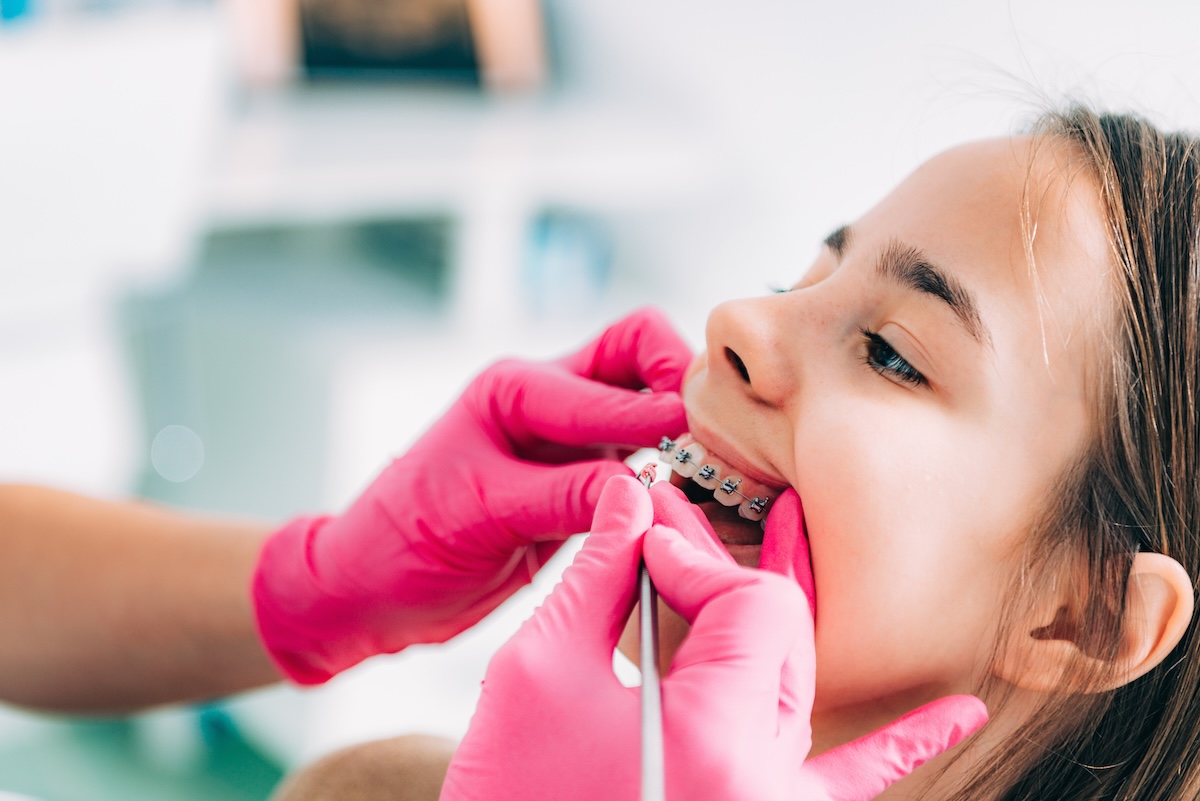
👉 4 Common Types of Braces for Kids
There are more options than ever when it comes to braces for kids. While traditional metal braces are still the most popular, other types offer aesthetic and functional alternatives.
- Metal Braces
- Description: These are the classic stainless-steel brackets and wires that most people picture when they think of braces.
- Best for: Moderate to severe orthodontic issues.
- Benefits: Highly effective, durable, and often the most affordable.
- Downsides: Most visible option, which may affect self-confidence.
- Ceramic Braces
- Description: Similar to metal braces but with tooth-colored or clear brackets that blend in better.
- Best for: Older children or teens who are self-conscious about appearance.
- Benefits: More discreet than metal braces.
- Downsides: Slightly more fragile and may stain without proper care.
- Lingual Braces
- Description: Braces that are attached to the back side of the teeth instead of the front.
- Best for: Aesthetic-focused cases with minimal crowding.
- Benefits: Virtually invisible from the front.
- Downsides: More difficult to clean and adjust; not ideal for young kids.
- Clear Aligners
- Description: Removable trays (like Invisalign) that gradually shift teeth into place.
- Best for: Older kids and teens with mild to moderate alignment issues.
- Benefits: Removable for eating and brushing; nearly invisible.
- Downsides: Requires discipline—if not worn consistently, results may be delayed.
✅ Benefits of Braces for Kids
Braces do much more than create straight teeth, they also contribute to a healthier mouth, better jaw alignment, and improved self-esteem.

Improved Oral Health
- Easier to clean: Straight teeth are easier to brush and floss, reducing the risk of cavities and gum disease.
- Less wear and tear: Properly aligned teeth reduce uneven pressure and prevent premature enamel erosion.
Better Function
- Improved bite: Braces correct how the upper and lower teeth meet, improving chewing and speech.
- Jaw alignment: Can reduce TMJ symptoms or jaw strain later in life.
Boost in Confidence
- Positive self-image: Kids often feel more confident after treatment.
- Social benefits: Straighter teeth can reduce teasing or self-consciousness in social settings.
Long-Term Savings
- Preventive care: Fixing alignment early can avoid the need for more invasive or costly dental work in adulthood.
- Stabilized results: Early orthodontics can make future dental care more predictable and manageable.
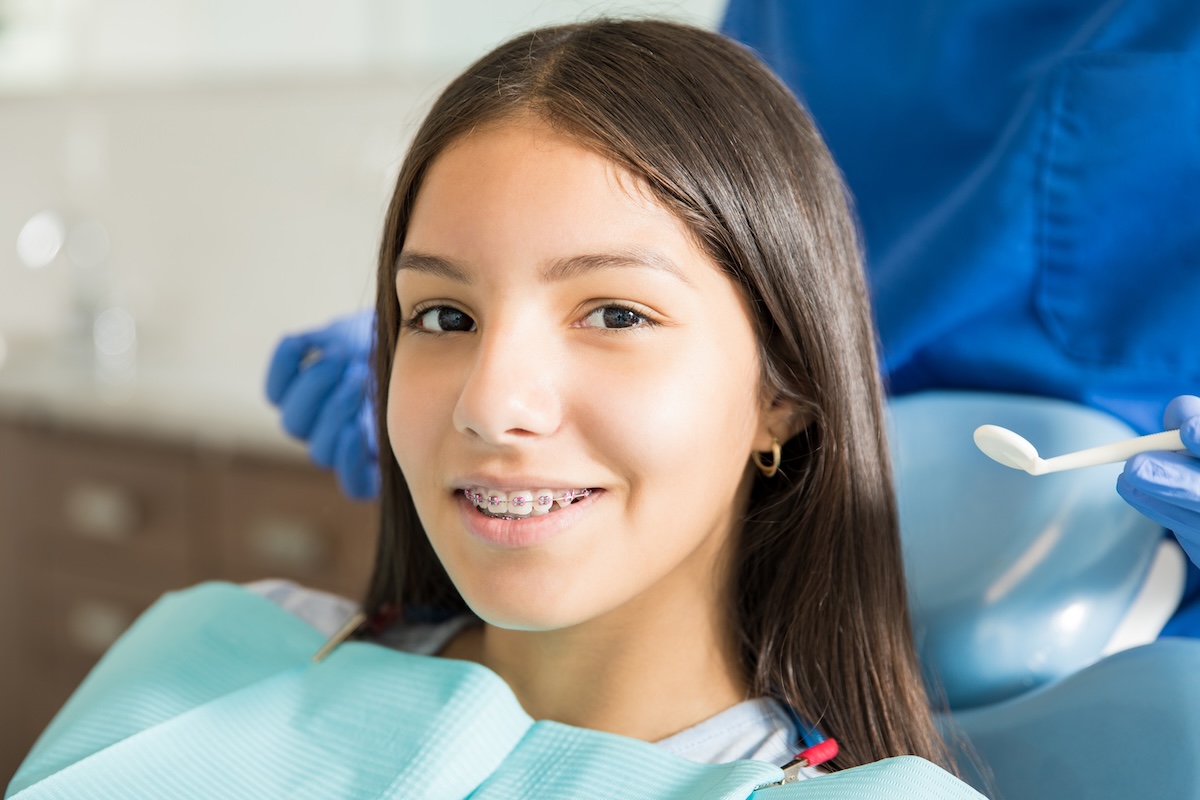
🧑⚕️ What to Expect During Treatment
Orthodontic treatment typically lasts 18–24 months, depending on the severity of the issues and the type of braces used.
The Consultation
- X-rays and impressions: Helps the orthodontist map out the treatment plan.
- Discussion of options: Your child’s needs, goals, and lifestyle will help determine which type of braces is best.
The Application Process
- Braces placement: Takes about 1–2 hours for fixed braces. Clear aligners are custom-made and delivered later.
- Adjustment period: Your child may feel pressure or discomfort for the first few days.
- Dietary adjustments: Sticky, hard, or chewy foods should be avoided to protect the braces.
Ongoing Visits
- Monthly checkups: Braces are adjusted regularly to ensure progress.
- Oral hygiene reviews: Kids will be reminded to brush and floss carefully, especially around brackets.
- Progress tracking: X-rays and visual checks ensure teeth are moving correctly.
🪥 Caring for Braces at Home
Good habits at home help prevent complications like cavities, broken brackets, or prolonged treatment.
Brushing and Flossing
- Use a soft-bristled toothbrush: Brush around each bracket and along the gumline twice a day.
- Floss with tools: Floss threaders or water flossers make it easier to clean between teeth and under wires.
Eating the Right Foods
- Avoid problem foods: Stay away from popcorn, gum, hard candy, and sticky snacks.
- Focus on soft items: Yogurt, pasta, bananas, and steamed vegetables are braces-friendly.
Watch for Damage
- Loose wires or brackets: Call your dentist if something breaks or causes irritation.
- Use orthodontic wax: Wax can protect the gums and cheeks from sharp edges.
🗓️ When Should Kids Start Orthodontic Treatment?
The American Association of Orthodontists recommends that kids get their first orthodontic evaluation by age 7. This doesn’t mean braces will be applied immediately, but it allows for early detection and planning.
Benefits of Early Evaluation
- Monitors jaw growth: Guides development during key growth stages.
- Prevents worsening problems: Early interventions like spacers or partial braces can simplify future treatment.
- Customized timing: Your orthodontist can determine the ideal time to begin full treatment.
Early treatment is often shorter, more effective, and less complex than waiting until adulthood.
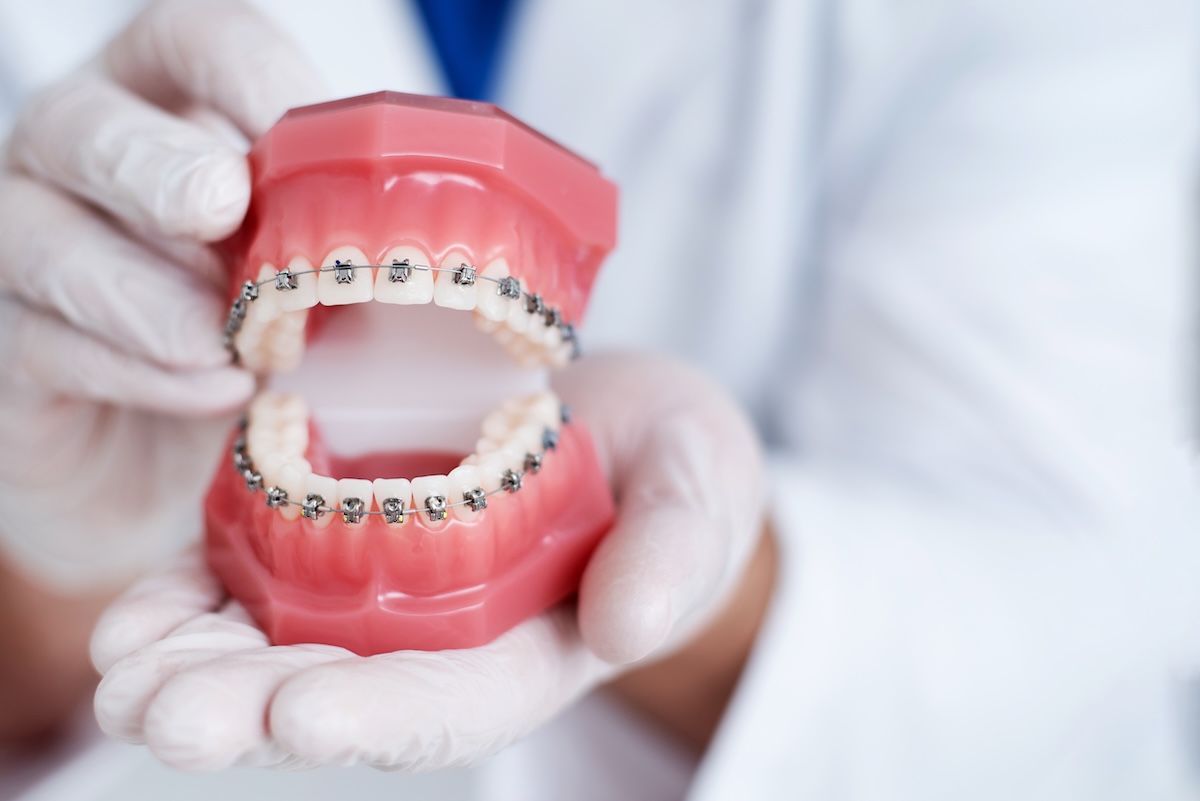
😁 Give Your Child the Gift of a Healthy Smile
Braces for kids offer more than just cosmetic improvement, they’re an investment in lifelong oral health. With several types of braces available and advances in comfort and technology, orthodontic care is more accessible than ever. At Wayzata Dental, we offer services to help your child smile brighter, speak clearly, and chew comfortably.
Facing a different issue? Schedule an appointment at Wayzata Dental today, we’ll help guide you through every step of the journey toward a healthier smile.
