






Choosing the right orthodontic treatment for children can make a lasting difference in their oral health, confidence, and overall development. Early orthodontic care helps guide jaw growth, correct alignment issues, and prevent more serious dental problems in the future.
- Early evaluation: The American Association of Orthodontists recommends an orthodontic checkup by age 7.
- Better long-term outcomes: Early intervention can simplify or shorten treatment later on.
- Confidence boost: A healthy, well-aligned smile supports better self-esteem and comfort.
Why Early Orthodontic Treatment Matters
Early orthodontic care focuses on identifying and treating dental or jaw development issues before they become severe. Children’s bones and teeth are still growing, making this stage ideal for gently guiding proper alignment.
Common Signs Your Child May Need Orthodontic Treatment
Every child develops differently, but certain signs may suggest it’s time for an orthodontic evaluation. Early detection can prevent future complications and save time and cost in the long run.
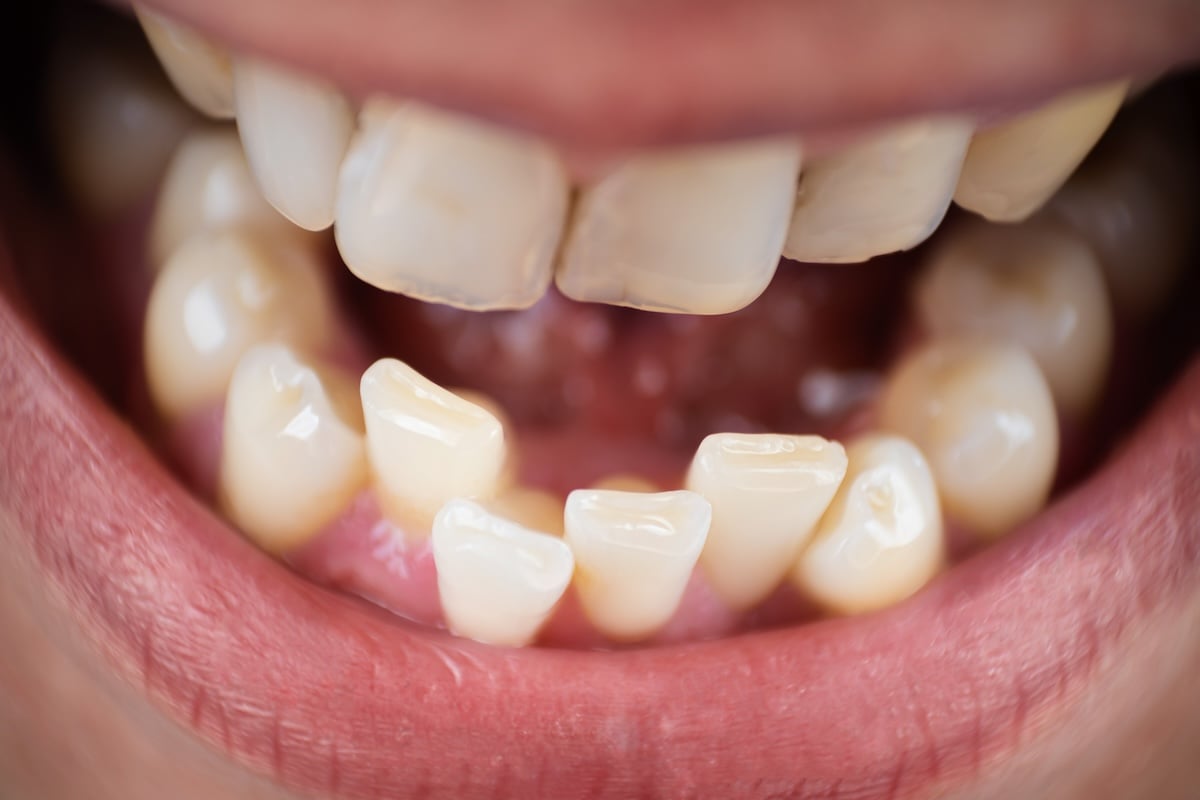
- Crowded or crooked teeth: May signal limited jaw space or early misalignment.
- Difficulty chewing or biting: Can result from uneven teeth or jaw issues.
- Mouth breathing or thumb-sucking: Habits that can affect dental alignment over time.
- Early or late loss of baby teeth: May disrupt proper spacing for permanent teeth.
The Role of Preventive Orthodontics
Preventive orthodontic care is all about minimizing future problems. This stage may involve simple monitoring or using small appliances to guide growth. Your general dentist can help determine if a referral to an orthodontist is appropriate based on your child’s needs.
5 Main Types of Orthodontic Treatment for Children
Different orthodontic options are available depending on a child’s age, dental condition, and treatment goals. Here are the most common types of care recommended for children today.
1. Traditional Metal Braces
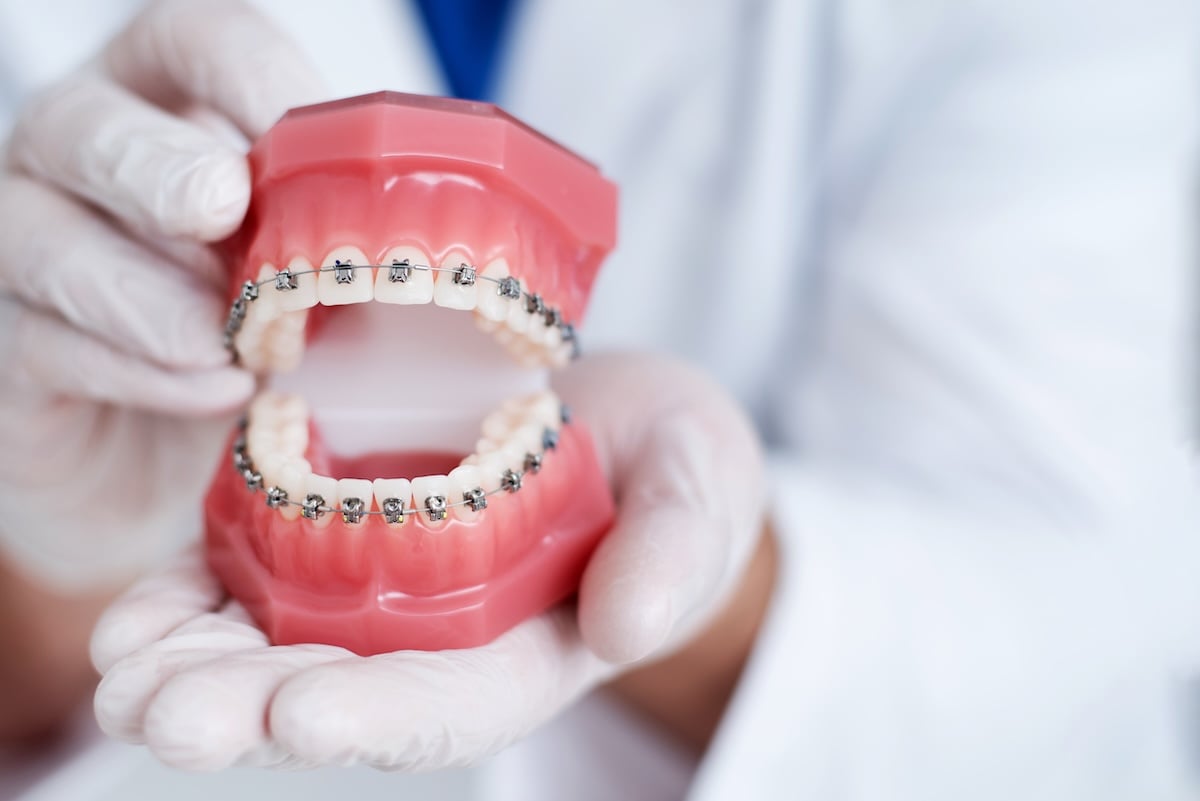
Metal braces remain the most reliable and effective choice for correcting complex dental issues. They use brackets, wires, and elastics to gradually move teeth into their ideal positions.

- Durability: Made from stainless steel for strong, consistent correction.
- Effectiveness: Works for severe alignment or bite issues.
- Average Cost (2025): $3,000–$7,000 depending on case complexity.
- Best For: Children who need precise and comprehensive correction.
2. Ceramic Braces
Ceramic braces function similarly to metal braces but use clear or tooth-colored materials for a less noticeable appearance. They’re ideal for older children or teens who want a more discreet option.
- Aesthetic appeal: Blends in with natural teeth.
- Comfort: Smooth edges minimize irritation.
- Average Cost (2025): $4,000–$8,000 depending on treatment length.
- Best For: Mild to moderate alignment corrections with cosmetic preference.
3. Clear Aligners (Invisalign Teen and Similar Systems)
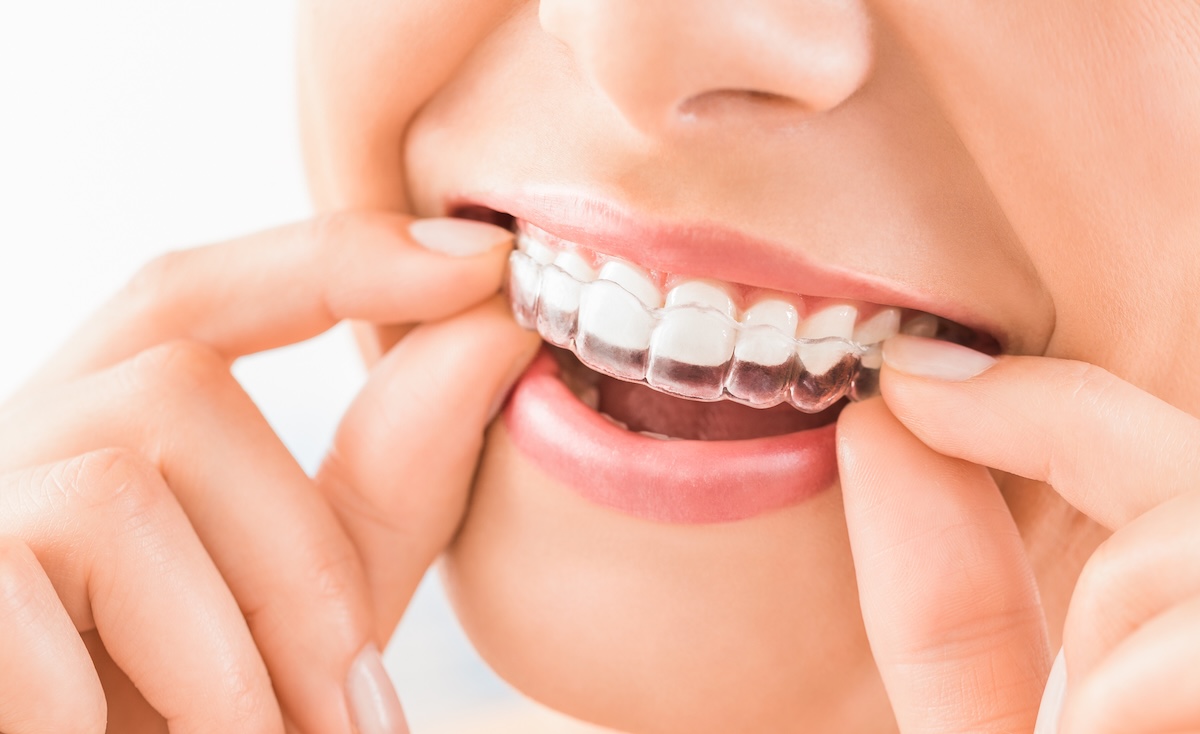
Clear aligners are removable trays custom-designed to gradually shift teeth. While more common in teens and adults, some children may qualify if their permanent teeth have mostly erupted.
- Convenience: Removable for eating and brushing.
- Aesthetic advantage: Virtually invisible while worn.
- Average Cost (2025): $4,000–$7,500 based on case complexity.
- Best For: Responsible older children with mild to moderate crowding.
4. Palatal Expanders
A palatal expander is used to widen the upper jaw, helping teeth fit properly and improving bite alignment. This device is most effective during early development when the jawbones are still flexible.
- Function: Expands the palate gradually to create space.
- Benefits: Can prevent extractions and improve airway health.
- Average Cost (2025): $2,000–$3,000 for most treatments.
- Best For: Younger children with crossbites or crowding.
5. Retainers and Space Maintainers
These devices help maintain alignment or preserve space for incoming permanent teeth after early treatments or tooth loss. They play a vital role in ensuring that orthodontic progress remains stable.
- Purpose: Keeps teeth in proper position after braces or extractions.
- Comfort: Custom-fit for each child’s mouth.
- Average Cost (2025): $300–$800 per device.
- Best For: Maintaining long-term results or preventing misalignment.
| Type of Treatment | Key Features | Durability / Effectiveness | Average Cost (2025) | Best For |
| Traditional Metal Braces | Stainless steel brackets and wires gradually move teeth into position | Very durable and effective for complex alignment or bite issues | $3,000–$7,000 | Children needing precise and comprehensive correction |
| Ceramic Braces | Tooth-colored or clear materials make braces less visible | Strong and smooth, though slightly more fragile than metal | $4,000–$8,000 | Older children or teens wanting a more discreet option |
| Clear Aligners (Invisalign Teen, etc.) | Removable, transparent trays customized for gradual movement | Effective for mild to moderate crowding; relies on consistent wear | $4,000–$7,500 | Responsible older children with mostly permanent teeth |
| Palatal Expanders | Device widens the upper jaw to create space and improve bite alignment | Effective during early growth when bones are flexible | $2,000–$3,000 | Younger children with crossbites or crowding |
| Retainers and Space Maintainers | Maintain tooth position or preserve space after tooth loss | Helps ensure long-term stability after orthodontic treatment | $300–$800 | Maintaining alignment or preventing misalignment |
The Two Stages of Pediatric Orthodontic Care
Orthodontic treatment for children is often divided into two stages—each targeting specific developmental phases. This approach ensures efficient, age-appropriate care that adapts as a child grows.
Phase 1: Early Interceptive Treatment
This phase typically begins between ages 6 and 9, when some baby teeth are still present. The goal is to guide jaw development and correct early bite issues to prevent more extensive treatment later.
- Common treatments: Expanders, limited braces, and habit correction appliances.
- Goal: Establish proper jaw size and create room for adult teeth.
- Duration: Usually 6–18 months depending on the child’s growth pattern.
Phase 2: Comprehensive Treatment
Phase 2 usually begins once all permanent teeth have erupted—around ages 11 to 13. This stage uses full braces or aligners to fine-tune alignment and bite function for lasting results.
- Common treatments: Full braces, aligners, or combination therapies.
- Goal: Perfect alignment and create a functional, beautiful smile.
- Duration: Typically 12–24 months depending on case complexity.
Factors That Affect Orthodontic Cost
The total cost of orthodontic treatment for children can vary depending on several key factors. Understanding these helps families plan financially while ensuring optimal care.
Type of Treatment
Traditional braces are generally the most affordable option, while ceramic braces and clear aligners often cost more due to materials and customization.
- Metal braces: Most cost-effective and durable.
- Clear aligners: Higher cost but more discreet.
- Specialized devices: Expanders or retainers may add to total cost.
Treatment Duration
Longer treatments require more adjustments and materials, which can influence the final price. Early intervention may reduce overall treatment time and expense later.
Insurance Coverage
Many dental insurance plans partially cover orthodontic care for children under 18. Your provider can help determine how much of the cost will be reimbursed.
- Typical coverage: 25–50% of total cost, depending on plan.
- Pre-authorization: May be required before treatment begins.
- Payment flexibility: Many offices offer financing or monthly plans.
What to Expect During Treatment
Orthodontic care for children is a gradual, collaborative process between the orthodontist, child, and parents.
Initial Consultation
An orthodontic journey starts with an exam and imaging to evaluate jaw growth, tooth position, and bite alignment. A customized plan is then created to match the child’s age and dental development.
Regular Adjustments
For braces or expanders, children typically have adjustment visits every 4–8 weeks. These appointments allow the orthodontist to fine-tune progress and ensure everything is moving as planned.
At-Home Care and Maintenance
Good oral hygiene is essential during treatment. Encourage your child to brush thoroughly around brackets or aligners and follow all instructions for appliance wear.
- Consistent brushing: After every meal to prevent plaque buildup.
- Flossing aids: Threaders or water flossers make cleaning easier.
- Protective mouthguards: Recommended for sports to prevent damage.
Maintaining these habits ensures the best results for your child’s treatment while supporting their overall wellbeing. For more tips on building a lasting routine, you can explore this overview on how to maintain oral health to keep their smile bright and healthy.
Emotional Benefits of Early Orthodontic Care
Beyond straightening teeth, orthodontic treatment has lasting emotional and social benefits for children.
- Confidence and self-esteem: A well-aligned smile can help children feel more confident at school and in social settings.
- Speech and eating improvements: Proper alignment supports clear speech and comfortable chewing, which benefits overall health.
- Healthy habits for life: Learning the importance of dental care early on builds lifelong habits that protect their smile.
Set the Foundation for a Healthy Smile
Early orthodontic treatment for children helps prevent more serious dental issues later in life and supports confident, healthy smiles. Regular dental visits are the best way to catch potential problems early and stay proactive about your child’s oral health.
Beyond monitoring development, we understand that planning for the future often involves considering the financial aspects of orthodontic care. To help you prepare for these next steps, you can review this braces cost assessment for more information on investment options and what to expect. Together, we’ll keep your child’s oral health on track for a lifetime of confident smiles.
At Wayzata Dental, we’re here to help parents understand the stages of dental development and connect families with trusted orthodontic partners when needed.
Schedule your child’s next dental visit today to ensure their smile is growing strong and healthy. Together, we’ll keep your child’s oral health on track for a lifetime of confident smiles.
