






When dealing with a painful tooth infection, dental abscess self-care can provide short-term relief, but it is essential to understand that at-home methods do not cure the problem. A dental abscess is a serious infection, and only a licensed dental professional can properly diagnose, treat, and stop the infection from spreading. Home care is meant to support comfort until you can contact a dentist.
- Short-term relief only: Home remedies ease discomfort but do not remove the infection.
- Dental abscesses are serious: Infection can spread to the jaw, face, or bloodstream without treatment.
- Professional care is essential: A dentist must drain the abscess, prescribe antibiotics, or perform corrective treatment.
What Is a Dental Abscess?
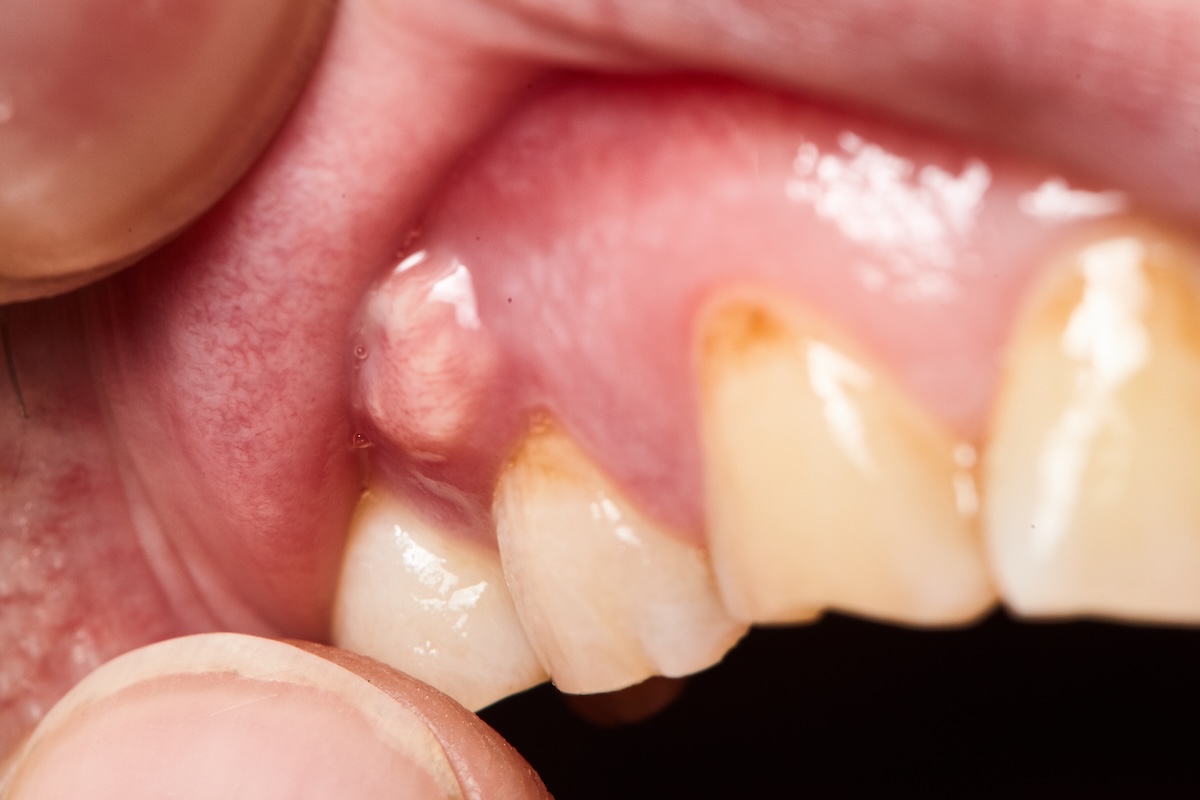
A dental abscess is a pocket of pus caused by a bacterial infection in the tooth, gums, or bone. It often results from untreated cavities, gum disease, or trauma to the tooth. When bacteria reach deep tissue, the body responds by creating the abscess, which can cause severe pain and swelling.
Common Symptoms of a Dental Abscess
Recognizing the symptoms early is essential. Abscesses do not go away on their own and require professional treatment.
- Severe tooth pain: Throbbing, sharp, or radiating discomfort that worsens with chewing.
- Facial or gum swelling: A sign that infection may be spreading.
- Bad taste in the mouth: Caused by fluid draining from the abscess.
- Fever or fatigue: Indicates the body is fighting infection.
- Sensitivity: Pain triggered by hot, cold, or sweet foods.
Why Professional Treatment Is Necessary
While it may be tempting to try to manage the problem at home, only a dentist can stop the infection completely. A dental abscess can spread quickly and, in rare cases, become life-threatening. Dentists can drain the abscess, clean out infected tissue, and determine whether you need antibiotics, a root canal, or an extraction.
4 Safe Ways to Manage Dental Abscess Pain at Home
At-home care is not a cure for a dental abscess, but it can help reduce discomfort while you wait for your dental appointment. These techniques support short-term relief only and should always be followed by a professional evaluation.
1. Warm Saltwater Rinses
A saltwater rinse can help reduce inflammation and draw out fluid from irritated tissue. It provides temporary relief and supports oral hygiene by reducing surface bacteria. To make the rinse, mix one teaspoon of salt into a cup of warm water and swish gently for 30 seconds.

- Benefits: Soothes irritated gums and helps reduce swelling.
- How often: Use up to three times daily.
- Important note: This is not a substitute for abscess treatment.
2. Cold Compress on the Cheek
A cold compress placed on the cheek can help reduce swelling and numb the area to lessen pain. This method is especially helpful when noticeable swelling is present around the jaw or face.
- Benefits: Reduces swelling and provides temporary numbing.
- How often: Apply for 10 to 15 minutes at a time.
- Important note: Never apply ice directly to the tooth or gums.
3. Over-the-Counter Pain Relievers
Nonprescription pain relievers can help reduce discomfort until you can be seen by a dentist. Acetaminophen and ibuprofen are commonly used, but always follow dosage instructions and avoid giving children medication without approval from a healthcare provider.
- Benefits: Reduces pain and inflammation.
- How often: Follow package directions for safe dosage.
- Important note: Pain relievers do not treat the infection.
4. Clove Oil for Temporary Numbing
Clove oil contains eugenol, a natural compound with numbing and antibacterial properties. It can provide temporary relief by lightly numbing the gums near the affected tooth. Use a small amount on a cotton swab and apply it to the gum area only.
- Benefits: Provides short-term numbing and mild antibacterial support.
- How often: Use sparingly as needed.
- Important note: Avoid swallowing and keep away from children.

What Not to Do When You Have a Dental Abscess
Some home remedies or online suggestions can be harmful and worsen the condition. Avoid any method that puts your health at risk.
- Do not attempt to drain the abscess: This can spread infection and cause serious complications.
- Do not apply heat directly to the face: Heat may encourage infection to spread.
- Do not ignore symptoms: Pain may temporarily fade, but the infection remains active.
- Do not rely on antibiotics alone: Only a dentist can treat the source of the problem.
When a Dental Abscess Becomes an Emergency
Some symptoms indicate the infection may be spreading beyond the tooth. In these cases, you should seek immediate medical attention rather than waiting for a dental appointment. For those experiencing sharp or throbbing pain that hasn’t yet reached a critical level, finding professional emergency toothache relief is a vital step to stabilize the tooth and stop the discomfort from escalating into a more severe health issue.
Signs You Need Immediate Care
If any of the following symptoms appear, contact an emergency provider right away:
- Difficulty breathing or swallowing: Possible airway obstruction from swelling.
- Rapidly spreading facial swelling: Infection may be moving into deeper tissues.
- High fever or chills: Signs of a worsening infection.
- Nausea or confusion: Potential signs of systemic infection.
- Red streaks on the skin: Indication that infection is spreading through the lymphatic system.
These symptoms require urgent evaluation from a medical professional.
How Dentists Treat Dental Abscesses
A dentist will perform a thorough exam and take images to determine how far the infection has progressed. Treatment depends on the abscess type and severity.
- Drainage and Cleaning: For many abscesses, the dentist will safely drain the infected area and clean the surrounding tissue. This reduces pressure and relieves pain.
- Root Canal Treatment: If the infection is inside the tooth, root canal therapy removes the infected pulp and preserves the natural structure. A crown may be added later to protect the tooth.
- Antibiotics: Antibiotics may be prescribed if the infection has spread beyond the tooth or gum area. They help support your immune system, but antibiotics alone cannot eliminate an abscess.
- Tooth Extraction: If a tooth cannot be saved, the dentist may recommend removal to prevent further infection. Replacement options such as implants or bridges may be discussed afterward.
How to Prevent Dental Abscesses
The best approach to dental abscess self-care is prevention through daily habits and regular dental visits.
- Brush twice daily: Fluoride toothpaste strengthens enamel and fights bacteria.
- Floss daily: Removes plaque between teeth where brushing misses.
- Avoid excessive sugar: Reduces cavity risk.
- Schedule regular cleanings: Early detection helps prevent serious issues.
- Address dental pain early: Small problems can worsen quickly without treatment.
Why Wayzata Dental Emphasizes Professional Care
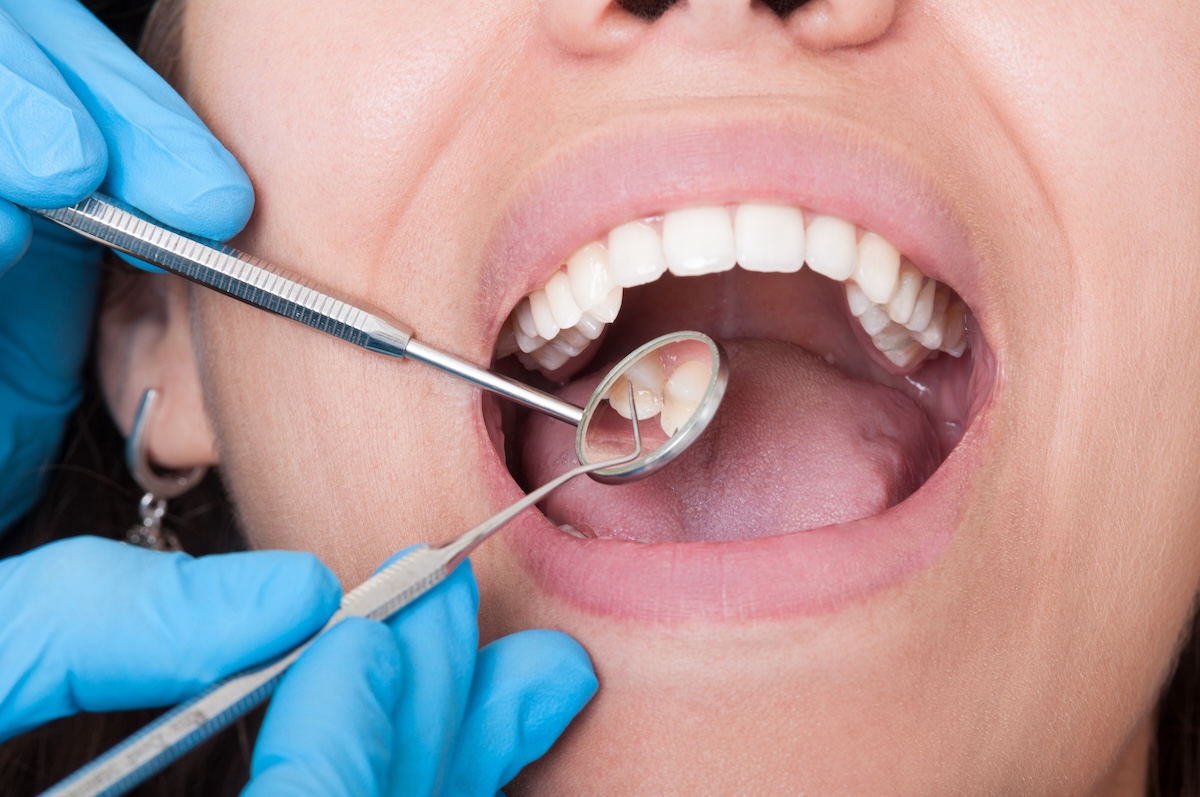
At Wayzata Dental, your health and safety come first. While dental abscess self-care can provide temporary relief, only a trained professional can stop the infection, protect your oral health, and prevent complications. We prioritize early diagnosis, personalized treatment plans, and comfortable care to help your smile stay healthy.
Our team will evaluate your symptoms, recommend appropriate treatment, and ensure you receive the care you need quickly. If your symptoms require a specialist, we will guide you to the proper provider right away.
Take Action to Protect Your Oral Health
A dental abscess is a serious condition that requires professional attention. While dental abscess self-care can ease discomfort, it cannot replace treatment from a trained dentist. Acting quickly prevents complications, reduces pain, and protects your overall health.
At Wayzata Dental, we are committed to keeping your smile safe, healthy, and pain-free.
If you suspect a dental abscess, contact Wayzata Dental today to schedule an evaluation and get the professional care you need.
