






If you have been researching clear aligner therapy, you may be wondering how much does Invisalign cost and what influences the total price. Invisalign is popular for its discreet appearance and convenience, but several factors affect the overall investment. Understanding these details helps patients make informed decisions about what to expect from clear aligner treatment.
- Multiple cost factors: Treatment length, complexity, and provider experience all contribute to pricing.
- Case-by-case pricing: Invisalign costs vary depending on each person’s dental needs.
- Professional evaluation is essential: Only a trained provider can determine an accurate estimate.
👉 What Is Invisalign and How Does It Work?
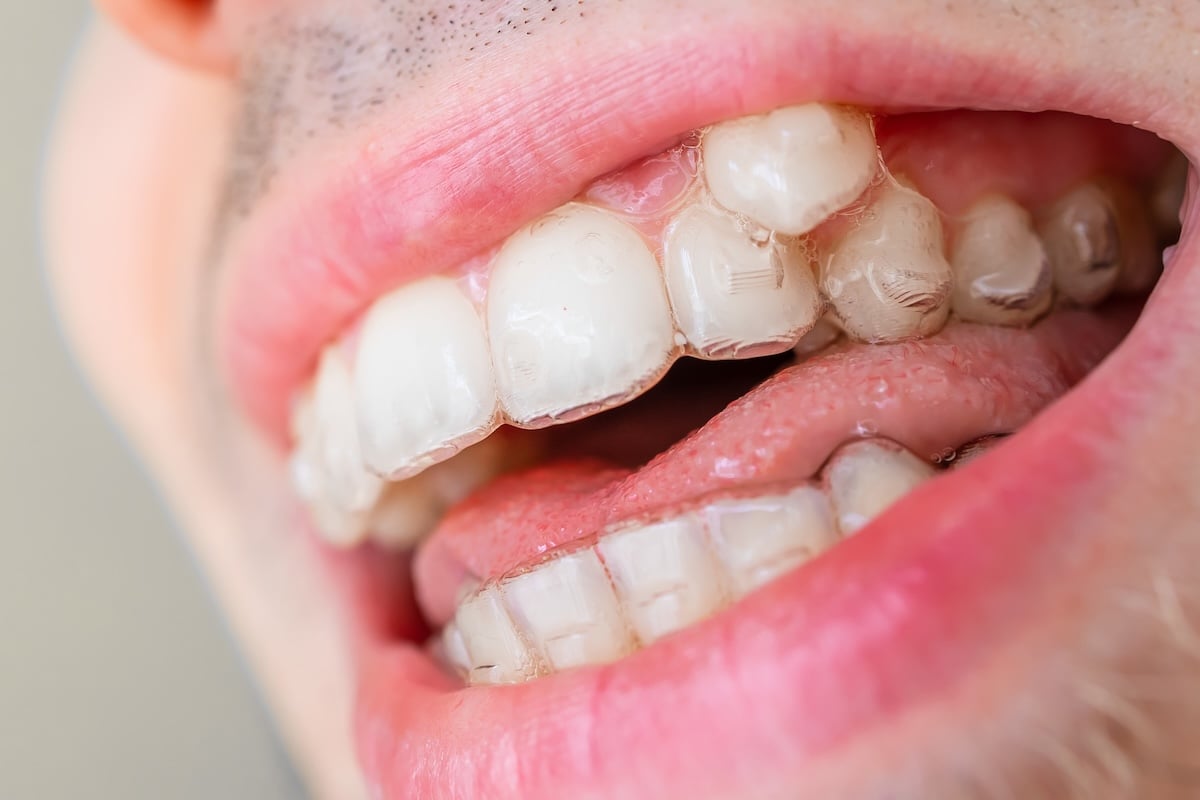
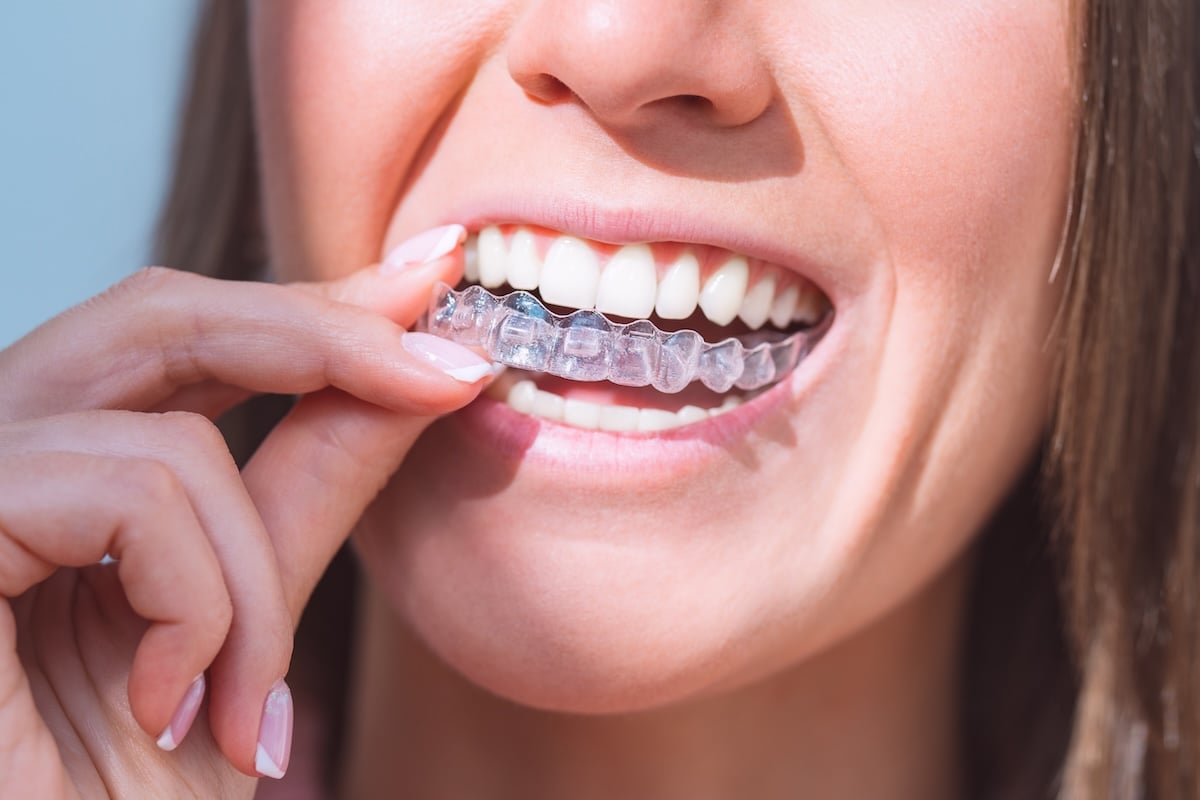
Invisalign uses custom-made clear plastic aligners that gradually shift teeth into alignment. Each set of aligners is worn for one to two weeks, with progress monitored throughout the treatment. Digital scans and planning software help map out tooth movement with precision.

Who Is a Good Candidate?
Not everyone qualifies for Invisalign, which is why a professional consultation is necessary.
- Mild to moderate misalignment: Including crowding, spacing, and mild bite issues.
- Strong compliance: Aligners must be worn 20 to 22 hours daily for predictable results.
- Appropriate dental development: A provider will assess whether teeth and gums are ready for aligners.
Why Invisalign Costs Vary
Invisalign involves custom planning, materials, and digital technology, which means the total cost depends on how much movement a person’s teeth require. No two treatment plans are identical, so costs vary widely.
💵 6 Factors That Determine Invisalign Cost
Below are the most common elements that influence the overall price of Invisalign treatment.
1. Complexity of Tooth Movement
The more complex the dental case, the more aligners and planning are required. Simple spacing issues involve fewer trays, while severe bite correction requires more extensive planning.

- Simple cases: Fewer trays and shorter treatment.
- Moderate to complex cases: More aligners and longer duration.
- Bite correction needs: Additional planning or attachments may be needed.
2. Length of Treatment
Treatment time is directly linked to cost. The longer the treatment, the more aligners, appointments, and monitoring are needed.
- Short plans: Often 6 to 9 months.
- Standard plans: Around 12 to 18 months.
- Extended plans: Sometimes 24 months or longer for complex cases.
3. Number of Aligners Needed
Each aligner set contributes to the overall cost. More trays require more materials and planning time.
- Minimal aligners: Common for small adjustments.
- Full cases: Typically involve many sets over several months.
- Refinement aligners: Sometimes needed before finalizing results.
4. Provider Experience and Location
Experienced providers may charge more due to their training and successful track records. Geographic region, cost of living, and local demand also influence pricing.
- Provider level: Training and experience vary.
- Technology used: Digital scanning and advanced tools may increase cost.
- Regional trends: Prices tend to be higher in large metropolitan areas.
5. Need for Additional Treatments
Some patients require preparatory dental care or treatment alongside Invisalign, which affects the total investment.
- Cleanings: Required if overdue.
- Cavity repair: Needed to prevent decay under aligners.
- Attachments: Tooth-colored bumps added to guide movement.
- Elastics or appliances: Sometimes used for bite correction.
6. Aftercare and Retainers
Retainers are essential after Invisalign treatment to keep teeth from shifting back. Retainers and follow-up visits may be included or billed separately depending on the provider.
- Retainers: Needed long-term for stability.
- Replacement retainers: Add cost if needed in the future.
- Aftercare visits: Some offices include them; others charge separately.
⭐️ Average Invisalign Price Ranges
While the exact price depends on individual needs, national averages provide a general idea of what patients can expect.
Typical Ranges
- Minor cases: $2,000 to $3,500
- Moderate cases: $3,500 to $5,500
- Complex cases: $5,500 to $8,000 or more
What Influences the Final Price?
These factors play the biggest roles in determining overall cost:
- Treatment duration: More months means more aligners.
- Complexity: Difficult cases require more planning and precision.
- Technology: Digital scans and advanced software may add to cost.
✅ What Invisalign Treatment Typically Includes
Although each provider structures their fees differently, most Invisalign treatment plans include several standard components.
Common Inclusions
- Consultation and digital scans: Used to map tooth movement.
- Treatment planning: A customized step-by-step alignment sequence.
- Full aligner series: All trays needed for active treatment.
- Progress checks: Ensuring teeth are moving as planned.
- Initial retainers: Often included at the end of treatment.
Possible Additional Fees
Depending on the provider, some items may fall outside the base cost.
- Lost or damaged trays: Replacement fees may apply.
- Additional retainers: Beyond the first set.
- Extended treatment: If refinement trays are required.
🤔 Invisalign vs. Traditional Braces
Understanding how each option compares helps patients choose the right treatment for their needs.
- Appearance and convenience: Clear aligners are nearly invisible and removable, making them easier for eating and oral hygiene. Traditional braces remain fixed but offer consistent pressure for complex cases.
- Predictability and suitability: Aligners continue to improve in effectiveness, but severe misalignment or bite corrections may still respond better to braces.
- Cost comparison: Braces often cost slightly less, especially for more complex or lengthy treatments. However, both options have overlapping price ranges.
While adults often prefer clear aligners, traditional hardware remains a reliable standard for younger patients. Understanding the specific advantages of braces for kids helps parents choose the most effective treatment for correcting early bite issues and guiding permanent teeth into their proper positions.
| Category | Invisalign (Clear Aligners) | Traditional Braces |
| Appearance | Nearly invisible; clear plastic trays | Visible metal or ceramic brackets |
| Convenience | Removable for eating and brushing | Fixed appliances that stay in place |
| Oral Hygiene | Easier brushing and flossing since trays are removed | Requires brushing around brackets and wires |
| Comfort | Smooth plastic reduces irritation | Brackets and wires may cause friction |
| Effectiveness | Ideal for mild to moderate misalignment | Works for mild, moderate, and severe cases |
| Bite Correction | Some bite issues can be addressed but may be limited | Highly effective for complex bite issues |
| Treatment Predictability | High predictability with patient compliance | Consistent pressure produces predictable results |
| Diet Restrictions | No restrictions when trays are removed | Hard or sticky foods may need to be avoided |
| Average Cost Range | Typically $3,500 to $5,500 for standard cases | Typically $3,000 to $7,000 depending on complexity |
| Monitoring Visits | Fewer in-person visits depending on provider | Regular visits needed for wire adjustments |
❗️ Insurance and Financing Considerations
Many dental insurance plans provide orthodontic benefits, which may include partial coverage for Invisalign. However, coverage varies widely by plan.
Typical Coverage
- Percentage-based coverage: Often 25 to 50 percent.
- Orthodontic lifetime maximums: Fixed dollar limits apply.
- Age limits: Some plans cover only dependents under a certain age.
Financing Options
Most orthodontic providers offer payment plans to help make treatment more affordable.
- Monthly payments: Spread cost over time.
- Third-party financing: Sometimes available for larger treatment plans.
- Health savings accounts: May be used for orthodontic care.
Finding the right fit for your budget is just as important as the treatment itself. Working with a dentist with payment plans ensures you can access high-quality orthodontic care without the stress of a single upfront cost, allowing you to focus on achieving a healthy smile.
🦷 How Regular Dental Visits Support Orthodontic Success
Even though Invisalign treatment itself is provided by a certified aligner or orthodontic specialist, regular dental checkups play a crucial role in monitoring oral health. Cleanings, early cavity detection, gum assessments, and general dental maintenance help ensure teeth and gums remain healthy during any kind of orthodontic treatment.
Beyond health maintenance, these visits are the perfect time to discuss your aesthetic goals. If you’re looking to transform your smile but aren’t sure which path is right for you, comparing Invisalign vs. veneers can help you decide between moving your natural teeth or choosing a faster cosmetic enhancement.
At Wayzata Dental, routine visits allow your dentist to track changes, identify issues early, and keep your smile healthy before, during, and after orthodontic treatment provided elsewhere.
😄 Make Informed Decisions About Your Smile
Learning how much does Invisalign cost helps patients understand the factors that influence pricing and what to expect during treatment. Clear aligners offer a discreet and convenient orthodontic option, but costs vary depending on each person’s unique needs.
At Wayzata Dental, we support patients by offering guidance, preventive care, and professional insight so you can make confident, informed decisions about your smile.
Schedule your next checkup today to keep your oral health on track and ensure your smile is ready for any future orthodontic treatment you may choose.
