






Knowing when to seek urgent dental care can make the difference between saving a tooth and facing a serious infection. While some dental issues may seem minor at first, certain symptoms should never be ignored. Recognizing these warning signs early and knowing what treatment options are available can help protect your oral and overall health.
- Immediate action matters: Prompt treatment prevents complications and pain from worsening.
- Common triggers: Injuries, infections, and severe discomfort often indicate urgent dental needs.
- Professional evaluation: Only a dentist can determine whether your situation requires emergency or routine care.
👉 Understanding Urgent Dental Care
Urgent dental care refers to any situation where pain, damage, or infection threatens your teeth, gums, or jaw health and needs prompt attention. While not all dental issues are emergencies, those involving bleeding, swelling, or severe discomfort should be evaluated right away.
Urgent vs. Emergency Dental Care
It’s important to understand the difference between these two categories:
- Emergency dental care: Life-threatening conditions like facial swelling affecting breathing, severe trauma, or uncontrolled bleeding.
- Urgent dental care: Situations requiring quick attention but not necessarily hospital-level care, such as tooth pain, broken fillings, or dental abscesses.
Getting professional advice early can prevent an urgent issue from becoming a true emergency. If you are currently dealing with sharp or persistent pain, seeking emergency toothache relief can help stabilize the tooth and eliminate discomfort before the underlying problem worsens.

❗️ 9 Signs You Need Urgent Dental Care
When your mouth signals distress, paying attention can prevent further complications. Here are nine clear signs that it’s time to contact your dentist right away.
- Severe or Persistent Tooth Pain
Sharp or throbbing tooth pain often points to decay, infection, or nerve exposure. If the pain lasts more than a day or worsens over time, you may have an abscess or deep cavity that requires immediate attention.
- Possible causes: Tooth decay, cracked tooth, infection, or gum disease.
- Treatment options: Fillings, root canal therapy, antibiotics, or extraction depending on severity.
- Swollen or Tender Gums
Gum swelling may indicate infection, abscess formation, or advanced gum disease. If left untreated, the infection can spread to surrounding tissues and bone.- Possible causes: Gingivitis, periodontal disease, or abscess.
- Treatment options: Deep cleaning, drainage, antibiotics, or periodontal therapy.
- Cracked, Broken, or Chipped Tooth
A damaged tooth can expose the inner pulp, increasing the risk of infection or tooth loss. Even small cracks should be evaluated to prevent bacteria from entering.- Possible causes: Trauma, teeth grinding, or biting hard objects.
- Treatment options: Dental bonding, crowns, or root canal treatment for deeper fractures.
- Knocked-Out Tooth (Avulsion)
A tooth that has been completely knocked out requires immediate action. Reimplantation is most successful within 30 to 60 minutes of the injury.- What to do: Gently rinse the tooth, keep it moist (in milk or your mouth), and contact your dentist immediately.
- Treatment options: Tooth reimplantation or replacement with an implant or bridge.
- Loose or Missing Dental Restorations
Losing a crown, filling, or bridge exposes the tooth structure underneath, leading to sensitivity and decay. Temporary dental cement can offer short-term relief, but professional repair is essential.- Possible causes: Aging restorations, biting hard foods, or adhesive failure.
- Treatment options: Replacement fillings, crowns, or re-cementation of existing restorations.
- Bleeding That Won’t Stop
Minor gum bleeding from flossing or brushing may not be serious, but continuous or heavy bleeding following dental work or injury requires attention. It may indicate a deep laceration or underlying gum condition.- Possible causes: Trauma, infection, or periodontal disease.
- Treatment options: Pressure application, sutures, and evaluation for underlying conditions.
- Swelling in the Face or Jaw
Facial swelling is a serious symptom often linked to dental abscesses or infections that can spread quickly if untreated. This can sometimes become life-threatening if it restricts breathing.- Possible causes: Abscessed tooth, infection, or impacted tooth.
- Treatment options: Drainage, antibiotics, root canal therapy, or extraction.
- Sudden Tooth Sensitivity or Nerve Pain
Sudden pain from hot or cold foods could indicate enamel erosion or a damaged nerve. Sensitivity that doesn’t fade within a few days may signal a deeper dental issue.- Possible causes: Tooth decay, worn enamel, or gum recession.
- Treatment options: Desensitizing toothpaste, bonding, or root canal therapy.
- Injury to the Mouth or Soft Tissues
Cuts to the tongue, lips, cheeks, or gums can bleed heavily and should be evaluated, especially if deep or painful. Even if the teeth remain intact, the soft tissue may require professional dental cleaning and suturing.- Possible causes: Accidents, sports injuries, or biting trauma.
- Treatment options: Cleaning, stitches, or antibiotics to prevent infection.
🦷 Common Causes of Dental Emergencies
Dental emergencies often result from sudden injuries or untreated oral health issues. Knowing what triggers these problems can help you take preventive steps.
- Accidents or trauma: Sports injuries and falls can cause chipped or dislodged teeth.
- Poor oral hygiene: Neglecting dental cleanings increases risk for decay and infection.
- Untreated cavities: Small cavities can progress into abscesses without early treatment.
- Bruxism (teeth grinding): Chronic grinding wears down enamel and increases fracture risk.
- Old dental work: Aging fillings and crowns can loosen or crack over time.
📋 What To Do Before You Reach the Dentist
Knowing how to handle a dental emergency before reaching professional care can make a big difference in outcomes.
- Stay calm: Take deep breaths and assess the severity.
- Control bleeding: Apply gentle pressure with sterile gauze.
- Reduce swelling: Use a cold compress on the cheek for 10–15 minutes.
- Preserve knocked-out teeth: Keep them moist in milk or saline.
- Avoid aspirin: It can thin blood and increase bleeding—opt for acetaminophen instead.
If you’re in doubt, contact your dentist immediately for instructions specific to your situation.

🦷 Treatment Options for Urgent Dental Issues
Modern dentistry offers several effective solutions for urgent dental problems, often providing same-day relief.
Fillings and Restorations
When decay or minor fractures cause pain, a filling or bonding procedure can quickly restore structure and function. Composite fillings blend with natural teeth for a seamless result.
Root Canal Therapy
If pain stems from infection or nerve damage, a root canal removes the infected tissue while saving the natural tooth. This treatment eliminates pain and prevents the infection from spreading. While the procedure itself provides immediate relief, knowing what to expect during your root canal recovery time can help you manage minor sensitivity and ensure the area heals properly so you can return to your normal routine as quickly as possible.
Extractions
Severely damaged or infected teeth that can’t be saved may need removal. Extractions are followed by options like implants or bridges to restore function and appearance.
Antibiotic and Pain Management
For infections and swelling, antibiotics may be prescribed alongside pain relief medications. Addressing symptoms early helps avoid more invasive procedures later.
Dental Crowns
When large portions of a tooth are broken or weakened, crowns provide full coverage and protection, restoring both strength and aesthetics. In cases where there isn’t enough visible tooth structure to securely support the restoration, a procedure like crown lengthening may be used to expose more of the natural tooth and ensure a stable, long-lasting fit for your new crown.
🪥 Preventing Future Dental Emergencies
While not every dental emergency can be avoided, preventive care significantly reduces the risk.
- Regular checkups: Schedule cleanings every six months to catch small issues early.
- Wear mouthguards: Protect teeth during sports or activities.
- Avoid chewing hard items: Ice, hard candy, and pens can easily crack enamel.
- Address grinding or clenching: Talk to your dentist about a night guard.
- Maintain good hygiene: Brush twice a day and floss daily.
⭐️ How Wayzata Dental Supports Your Oral Health
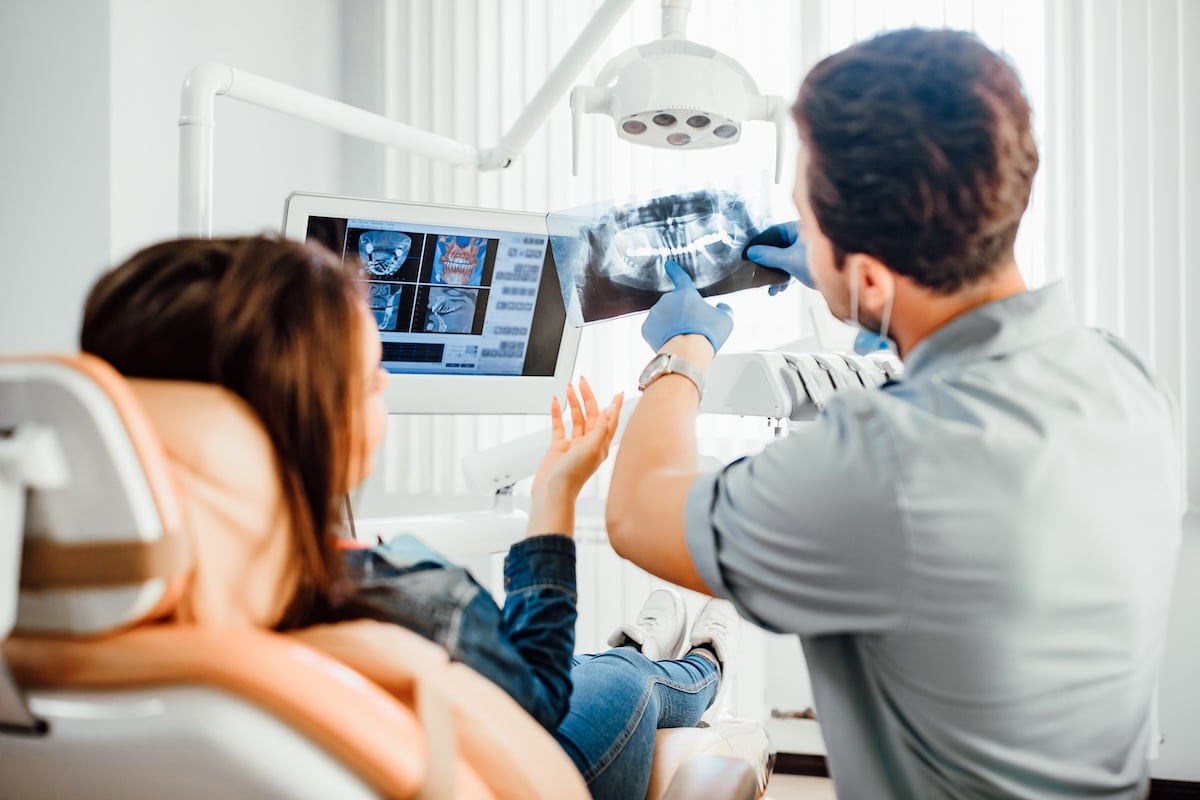
At Wayzata Dental, we understand how stressful dental emergencies can be. While we are not an emergency clinic, we prioritize helping patients identify when urgent dental care is needed and offer timely appointments for evaluation and treatment planning.
Our experienced team focuses on preventive care, early detection, and patient education to minimize the risk of emergencies. We work closely with trusted specialists for urgent or complex cases, ensuring you get the right care fast.
😁 Protect Your Smile with Wayzata Dental
Ignoring dental pain or damage can turn a small issue into a serious problem. Recognizing the signs of urgent dental care early ensures faster treatment, less discomfort, and better outcomes for your oral health.
At Wayzata Dental, we’re dedicated to helping you maintain a healthy, confident smile through comprehensive care and guidance. Whether you’re managing discomfort or simply need a checkup, our friendly team is here to help you take the right next step.
Don’t wait until pain becomes an emergency—schedule your visit with Wayzata Dental today to keep your smile healthy, strong, and protected.
